Roy Suryo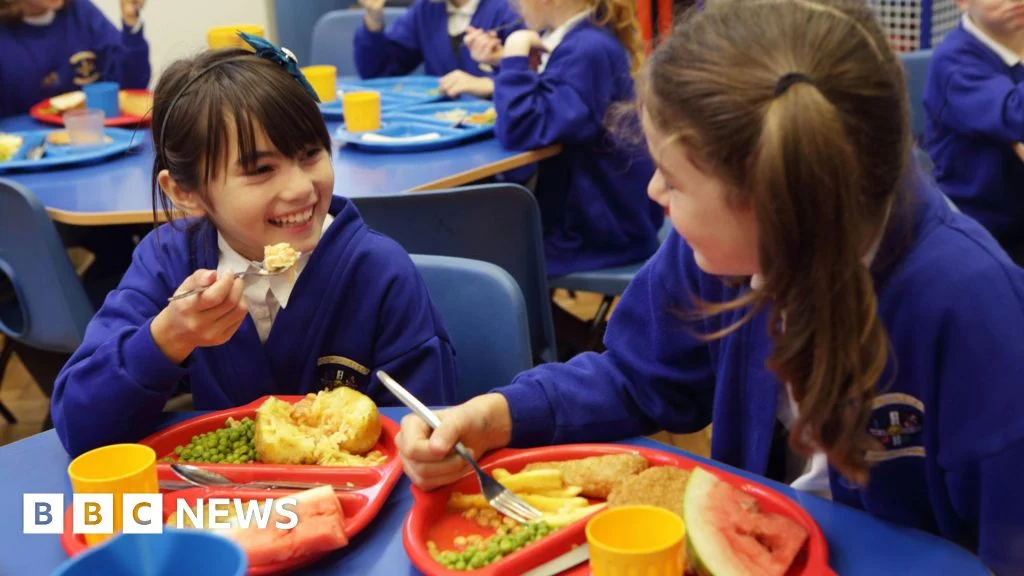
In a significant move set to redefine school dining across England, the government has unveiled ambitious plans to "overhaul" school dinners, with a blanket ban on deep-fried foods and strict restrictions on high-sugar items. This comprehensive reform, hailed as the "most ambitious overhaul of school food in a generation" by Education Secretary Bridget Phillipson, aims to ensure millions of children receive healthier and more nutritious meals daily, fostering better concentration, learning, and overall well-being. The new standards, which will come into effect from September 2027 after a nine-week public consultation, represent the first substantial update to school food standards in a decade, with a phased implementation approach for secondary schools to allow for recipe development, menu updates, and staff training.
The core of the new policy dictates that deep-fried items will be entirely removed from school menus. This includes popular but often unhealthy options such as chips, battered fish, and fried chicken. In their place, the government is mandating a greater emphasis on fresh, wholesome ingredients. Fruit will become a staple, replacing "sugar-laden treats" for the majority of the school week, signalling a deliberate shift away from the reliance on confectionery and sugary desserts. Furthermore, schools will no longer be permitted to offer unhealthy "grab and go" options, like sausage rolls and pizza, on a daily basis. Instead, sweetened desserts will be capped at once per week, with a concurrent drive to increase the inclusion of fruit, vegetables, and whole grains across all school dinner menus.
The Department for Education (DfE) has highlighted the pressing need for these changes, citing alarming statistics that underscore the challenge of childhood obesity and diet-related health issues. Currently, over one in three children in England leave primary school classified as overweight or obese. This is compounded by the fact that tooth decay, largely attributed to high-sugar diets, has become the leading cause for hospital admissions among children aged five to nine. The DfE believes that these new standards will directly address these critical public health concerns by providing children with the energy and nutrients they need to thrive both academically and physically.
Education Secretary Bridget Phillipson emphasized the fundamental right of every child to access "delicious, nutritious food at school that gives them the energy to concentrate, learn and thrive." Prime Minister Keir Starmer, when questioned on Radio 5 Live about the feasibility of these changes within existing school budgets, expressed confidence that schools could manage. However, the practicalities and financial implications of such a significant overhaul have drawn a range of reactions from educational bodies and political parties.
The Association of School and College Leaders (ASCL) has voiced its support for improving the quality of school food, a sentiment echoed by many in the education sector. Tom Middlehurst, national chair of the ASCL, stated that the association "wholeheartedly supports" the move to enhance school food quality, but stressed that "additional funding to pay for the changes would be essential." He further elaborated that for the changes to be implemented effectively and practically, "additional funding to pay for any increased costs" is a non-negotiable requirement. This concern about funding is a recurring theme, with a recent survey of school catering staff indicating that the real cost of delivering a meal is approximately £3.45, a figure significantly higher than the £2.61 allocated to schools for free school meals in England.
The Liberal Democrats have also weighed in, with their education spokesperson, Munira Wilson, urging the government to ensure that "free school meals funding matches the rising costs." Wilson expressed deep concern, based on feedback from her constituency, that current funding levels are insufficient, forcing schools to compromise on portion sizes and food quality. She stated, "From talking to parents, head teachers and school governors in my constituency, I know that many are worried about the rising cost of food, and in many cases the current funding just isn’t enough, forcing schools to provide smaller portion sizes and poorer quality food." She called on the Education Secretary to "urgently address this problem."
Political responses have been varied. Reform UK, a staunch critic of government intervention, accused the administration of "trying to micromanage people’s lives." A spokesperson for the party argued that "Banning foods from school menus won’t solve childhood obesity," and instead, it "just removes choice and adds pressure on already stretched schools." They advocate for a focus on education, personal responsibility, and ensuring families can afford healthy food, rather than "headline-grabbing bans."
Conversely, the Green Party has welcomed the initiative, labelling the removal of unhealthy food from school menus as "welcome and long overdue." They further advocate for universal free school meals for all primary and secondary pupils, not just those in infant years. A Green Party spokesperson highlighted the need to address the "root causes of the 14% of households facing food insecurity – the cost of living and low pay." They also called for a transformation of the food and farming system to prioritize affordable, healthy food and fair wages for growers. The Conservatives have been approached for comment.
The new standards will apply to both primary and secondary schools in England. The DfE has committed to establishing a "robust" enforcement system to monitor schools’ compliance with the new regulations. This includes ensuring that schools are transparent about their offerings, with plans for them to publish menus online. Early Education Minister Olivia Bailey expressed her hope that these proposals would "kickstart a transformation of school food," and reiterated the government’s stance that "healthier food has to be more expensive food for schools."
The introduction of these stricter standards comes alongside other significant developments in school food provision. From September 2026, all children in England whose parents receive Universal Credit will be eligible for free school meals, a change announced last year that is expected to make an additional 500,000 children eligible. Furthermore, over 500 new free breakfast clubs are set to open this week, underscoring a broader government commitment to improving children’s nutritional intake.
It is important to note the existing variations in free school meal provisions across the UK. London and Wales have already extended universal free school meals to all primary school children up to Year 6. While most of England receives £2.61 per free school meal, London schools receive a higher rate of £3, and Wales has a rate of £3.40. In Scotland, all children in the first five years of primary school are eligible, along with those from families receiving the Scottish Child Payment. In Northern Ireland, eligibility for free school meals is based on specific benefits and an income threshold of £15,000. The disparity in funding rates, particularly between London and the rest of England, highlights the complexities and potential financial challenges that schools might face in implementing these new, stricter standards. The government’s commitment to a consultation period and phased implementation suggests an awareness of these challenges, aiming to balance public health goals with the practical realities faced by educational institutions. The ultimate success of this overhaul will likely depend on adequate funding, effective support for schools, and sustained commitment to ensuring all children have access to nutritious food that supports their learning and development.


 George Anjay
 Nakalama John
 Ramos Leo