
 Roy Suryo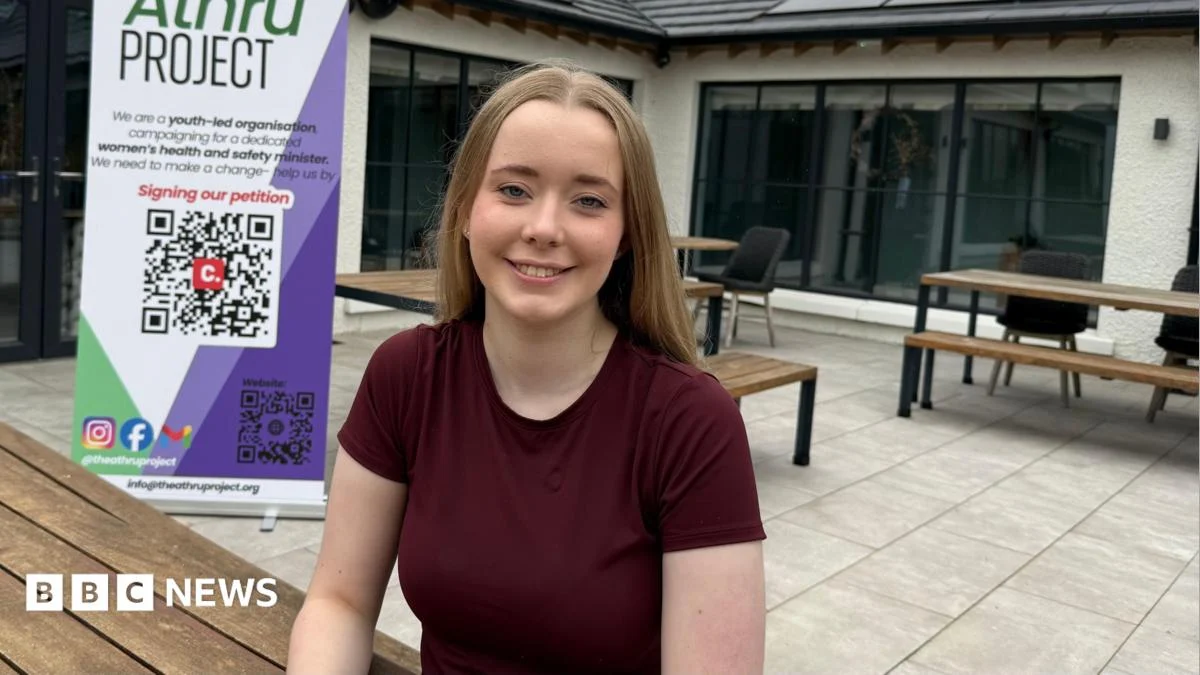
Violence against women and girls (VAWG) is a pervasive and deeply concerning issue, defined by Women’s Aid as conduct "directed against a woman because she is a woman or that affects women disproportionately." The stark reality of this violence in Northern Ireland is underscored by the fact that, as of recent reports, 31 women have been killed in the region since 2020. In the overwhelming majority of these tragic cases, the perpetrator was a man, or a man has been charged in connection with their deaths. This alarming statistic, coupled with a growing awareness of misogynistic behaviour among younger boys, spurred a group of teenagers to action.
In August 2025, 19-year-old Pearse O’Neill began to notice an increasing presence of VAWG in news reports. Simultaneously, he became concerned about the misogynistic attitudes he was witnessing among his younger male peers. A few months prior, an enriching work experience with the charity Politics in Action had profoundly impacted his perspective. It dispelled the notion that initiating a campaign was an insurmountable task requiring vast financial resources. This realization empowered him to approach his friends, with whom he regularly discussed politics and current events, and propose a collective effort to address the escalating problem.
"We thought we’d send some emails to MLAs, but even before we sent them we knew it had to be more than that," Pearse explained, reflecting on the group’s initial discussions. "It seemed to be getting worse and we thought we shouldn’t wait any longer to do something about it." The group, united by a shared desire for change, adopted the Irish word "Athrú," meaning change, as their rallying cry, embodying their aspiration to see tangible progress in combating VAWG.
Eimear McCloskey, 18, articulated a profound sense of disappointment and anxiety regarding the insufficient measures in place to protect women within her community. Her personal experiences highlight the vulnerabilities many women face. "If I’m walking home from work, in a seaside town and rural area, there’s not a lot of CCTV coverage or proper infrastructure like lighting," she stated. "If anything was to ever happen to me, it would be a ‘he said, she said’ moment, with no evidence. It’s very upsetting to know that’s the case for many women today." This lack of visible safety infrastructure contributes to a pervasive sense of insecurity.
Devyn McAlister, also 18, expressed a strong conviction that politicians could and should be doing more. "They say things and condemn it but no real action takes place. That needs to change," she asserted. The emotional toll of living with such prevalent violence is palpable. "Seeing the news of women being killed, I feel scared to live in this country. At night, I look over my shoulders and I have a safety alert on my bag. I shouldn’t need to take those precautions and be so aware of that." This constant vigilance, born out of fear, is a burden no young person should have to bear.
The teenagers’ core campaign demand is the establishment of a dedicated ministerial role, mirroring the Minister for Women and Equalities in Westminster or the Deputy Minister for Social Care, Mental Health and Women’s Health in Wales. This proposed position, they believe, would bring a crucial focus to women’s issues within the government. Pearse explained the rationale: "A minister has a basic obligation to make legislation, and creating one could be a good step towards changing how women’s safety and healthcare is approached in government."
Aoísha O’Neill, 18, Pearse’s sister, echoed this sentiment, arguing that a dedicated Minister for Women’s Safety and Health would consolidate women’s issues, enabling them to be addressed with greater efficiency. Beyond immediate safety concerns, the group’s vision encompasses broader societal improvements. They are advocating for enhanced infrastructure, a reduction in healthcare waiting lists, and a more comprehensive school curriculum.
A key area of focus for Aoísha is the improvement of sex and relationship education in schools. She emphasized the critical need for young people to receive "enough information about their own bodies." While post-primary schools in Northern Ireland do receive guidance on delivering sex education classes, the teenagers believe the current provision is inadequate. "I think, currently, issues of women’s health and safety are quite low on departments’ priority lists," Aoísha added, underscoring the perceived neglect of these vital areas.
Efforts have indeed been made to address VAWG. The First and Deputy First Ministers have been actively involved in initiatives aimed at ending violence against women and girls, and The Executive Office (TEO) launched its Ending Violence Against Women and Girls Strategy in 2024. A spokesperson for TEO affirmed that promoting the health and safety of women, including the eradication of violence and abuse, is a priority, a commitment highlighted by the inclusion of this strategy. The spokesperson further emphasized that tackling this long-standing issue necessitates a "coordinated, whole Executive approach, with all Ministers working collectively." In 2022, the Police Service of Northern Ireland (PSNI) also introduced an action plan specifically designed to reduce violence against women and girls.
The teenagers envision a dedicated women’s minister who would be a member of the Northern Ireland Executive, holding office within The Executive Office and appointed by the First and Deputy First Ministers. Currently, the responsibility for tackling VAWG, healthcare, and education is dispersed across various Stormont departments, including justice, health, and education. "Women’s safety and health is such a large and pressing issue that it’s so difficult to keep up with," Eimear explained. "With a Minister’s resources and attention it could be tackled effectively."
Devyn highlighted the deeply concerning reality of lengthy waiting times for gynaecology appointments in Northern Ireland, labelling it "abhorrent." This exemplifies the systemic issues that a dedicated minister could help to address.
To further their cause, the teenagers launched an online survey to gather broader perspectives on their proposed plan and organized a panel event featuring politicians, campaigners, and fellow young people. They are optimistic that with political backing, their objective can be realized. "As far as the response from politicians goes, it’s been really positive so far," Pearse reported. "We have full SDLP support and have really positive engagement from other parties. There hasn’t been any negative responses from politicians so we’re looking to expand our support from anyone who will listen."
Pearse firmly believes that the fight for improved women’s health and safety should not be confined to women alone. "Everyone needs to be involved with this. People should feel obligated to speak out regardless of who they are. Everyone knows someone affected by this. It’s quite simple."
SDLP assembly member Cara Hunter acknowledged that the concept of a dedicated women’s minister is an idea "worth exploring further." Speaking on the BBC’s Good Morning Ulster programme, she noted the need to examine the logistical and financial implications, stating, "Ministerial positions come with all the trimmings, and we need to have value for public money."
A spokesperson for the Department of Health confirmed that women’s health is a "key area of focus" and that ongoing work is being undertaken to enhance services. The department is developing a Women’s Health Action Plan for Northern Ireland, which is slated for publication later this year following the consideration of a final report from a public listening exercise. Thousands of women have participated in surveys and focus groups, their input directly shaping the Action Plan. The department aims for the plan to foster "positive dialogue around women’s health and wellbeing within our health and social care system and in our society," and recognizes the invaluable contribution of young people’s voices to this conversation.
Further reinforcing the government’s commitment, the Justice and Health Ministers have launched a Domestic and Sexual Abuse strategy for Northern Ireland. Justice Minister Naomi Long also introduced a Victims and Witnesses of Crime Strategy in March 2026. This multi-faceted approach, involving various government departments, signifies a growing recognition of the urgency and complexity of issues surrounding violence and safety for women and girls.




 Nakalama John
 atisusanti
 Ramos Leo
