Nana Banana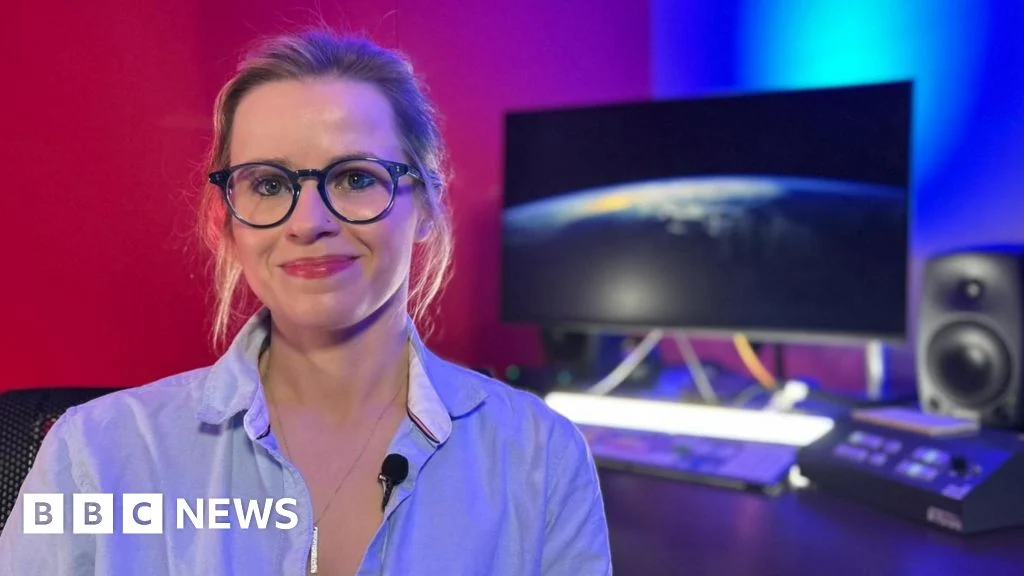
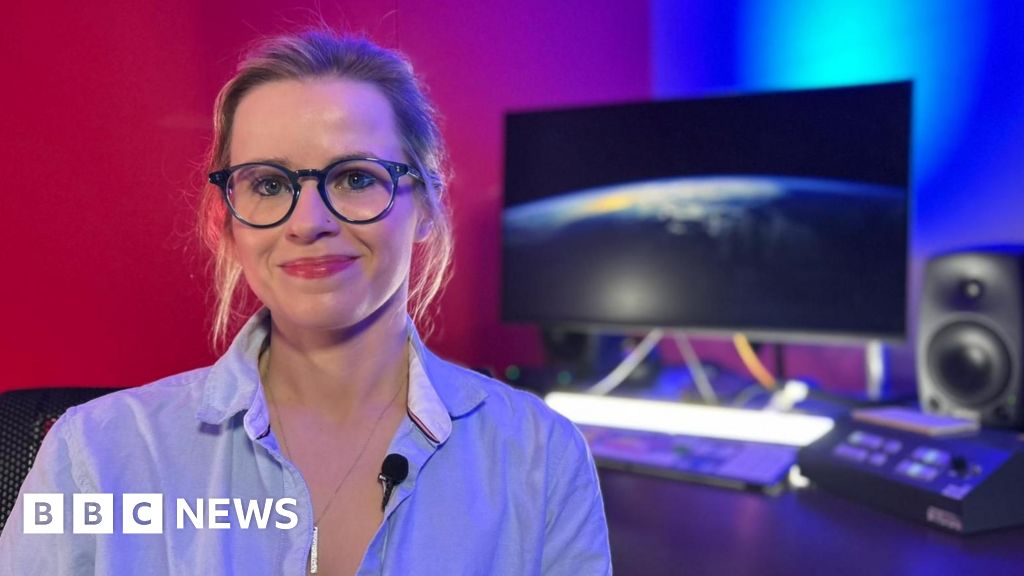
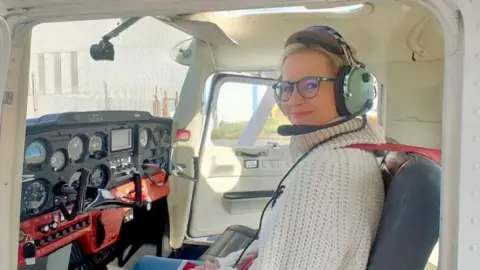
The stark reality of space travel is that it offers no readily available hospitals, ambulances, or even dedicated doctors, especially on long-duration missions. This profound absence of conventional medical infrastructure is precisely where Dr. Mackaill’s expertise becomes indispensable. For years, the Scottish medic has been collaborating closely with NASA, focusing on developing robust strategies to ensure the medical safety of astronauts during their perilous journeys beyond Earth and upon their critical return to terrestrial gravity. Her work extends beyond theoretical research, actively educating emergency departments across the globe on the profound and often unexpected impacts space travel can have on an astronaut’s intricate biological systems, particularly the immune and cardiovascular systems. As Dr. Mackaill observes, "Aviation and space medicine is a growing speciality and it is going to become bigger and bigger as more people go into space." This foresight underscores the urgency and relevance of her contributions in a rapidly expanding era of space exploration and commercialisation.
Dr. Mackaill’s journey into the cosmos began not in a rocket, but within the hallowed halls of academia. Her innate curiosity about the human body’s limits led her to combine her interest in emergency medicine with the then-nascent field of space medicine while studying at university. A pivotal moment in her career came in 2016 when she founded Scotland’s first space medicine society, a testament to her vision and commitment to fostering interest and research in this niche but vital area. The society aimed to create a hub for medical professionals and students passionate about aerospace medicine, facilitating discussions, collaborations, and educational initiatives that would lay the groundwork for Scotland’s contribution to space health.
One of Dr. Mackaill’s earliest and most impactful space medicine projects emerged from a collaboration with Dr. Thais Russomano, a renowned physician and space expert based in Brazil. Their joint endeavour tackled a critical life-saving technique: Cardiopulmonary Resuscitation (CPR) in extreme environments. While extensive research had been conducted on performing CPR in the microgravity conditions of facilities like the International Space Station (ISS), the unique gravitational environments of the Moon and Mars presented entirely new challenges. The lower gravity on these celestial bodies meant that established CPR techniques, which rely on the rescuer’s body weight and stability, would be ineffective.
In response to this critical gap, the pair meticulously developed what is now known as the Mackaill-Russomano method. This innovative technique specifically teaches astronauts how to effectively perform CPR on the surface of the Moon and Mars, where gravity is significantly weaker than on Earth – roughly one-sixth on the Moon and one-third on Mars. The method ingeniously addresses the stability issue by incorporating specific body positioning and arm bending techniques. It allows the rescuer to gain necessary leverage and stability, compensating for their reduced body weight in low gravity, thereby ensuring good quality chest compressions vital for resuscitation. This groundbreaking work has not gone unnoticed; Dr. Mackaill has personally presented the Mackaill-Russomano method to both NASA and the European Space Agency, securing its place as a fundamental protocol for future lunar and Martian missions.
The 35-year-old physician stresses the paramount importance of equipping astronauts with advanced life-saving skills, such as CPR, long before they embark on their space missions. For shorter expeditions or those confined to the ISS, the option of an emergency return to Earth might still exist, offering a lifeline in critical medical situations. However, as human exploration ventures deeper into space, targeting destinations like the Moon and Mars, medical evacuation becomes an increasingly impractical, if not impossible, proposition. In such scenarios, astronauts must transform into multi-skilled medical practitioners, capable of performing a broader range of medical procedures, potentially even intricate surgical interventions, far from any terrestrial support.
Beyond the logistical challenges of distance, Dr. Mackaill highlights the profound physiological transformations the human body undergoes in the unique environment of lower gravity. "Depending on how long you are in space, there are a lot of different changes that happen to the body," she explained to BBC Scotland News. One of the most immediate effects is the "fluid shift," where the absence of gravity causes fluids from the lower body to migrate upwards. This phenomenon, often colloquially described as "puffy face and bird legs," has more serious implications than mere cosmetic changes. It can increase intracranial pressure, leading to visual impairments and a condition known as Space-Associated Neuro-Ocular Syndrome (SANS), where pressure on the back of the eyes can cause long-term changes to vision, particularly if astronauts are in space for several months.
Furthermore, the lack of weight-bearing activity in microgravity leads to a significant decrease in muscle mass and bone density. Astronauts can lose bone mineral density at an alarming rate, comparable to post-menopausal osteoporosis, and muscle atrophy can severely impact strength and endurance. While countermeasures like rigorous exercise regimens on the ISS help mitigate these effects, the risk of fractures upon return to Earth’s gravity, or during an emergency landing, remains a serious concern. The cardiovascular system also adapts to space, with a reduction in blood volume and changes in heart function. Upon returning to Earth, astronauts frequently experience orthostatic intolerance, where their blood pressure drops suddenly when standing, making them prone to fainting. Dr. Mackaill notes, "Astronauts lose about 15% of their circulating plasma volume, which means when they come back, their blood pressure can drop and they might need additional fluids."
Dr. Mackaill’s current focus, in collaboration with NASA’s chief health and medical officer Dr. James Polk, is to develop comprehensive guidelines for medical professionals on Earth on how to effectively treat astronauts returning from space, especially those who have experienced these physiological changes or sustained trauma. This includes understanding the altered fluid balance, the weakened musculoskeletal system, and the compromised immune response. "If they had trauma coming back and came into hospital, the astronauts could require blood products quicker or be at an increased risk of fractures," she elaborates, highlighting the critical need for tailored medical protocols.
The dangers extend beyond physiological adaptation. With missions like Artemis II and future projects pushing humanity deeper into space, the risk of radiation exposure from galactic cosmic rays and solar flares from the sun significantly increases. These high-energy particles can penetrate spacecraft shielding, posing a severe threat to astronaut health. "Astronauts’ immune systems could be affected from the radiation, which can lead to viruses, such as glandular fever, when they come back," Mackaill warns. The long-term risks include an increased likelihood of cancer, damage to the central nervous system, and acute radiation sickness. Consequently, understanding these unique physiological and environmental challenges is paramount. "It’s important to know about the physiological changes because doctors could do harm if they are not aware of how astronauts physiology changes in space with the amount of fluid in their body, their immune system or their risk of fracture," she stresses, advocating for specialized training for terrestrial medical teams. Mackaill and Polk have already developed a comprehensive plan for the NHS, outlining specific procedures and considerations for treating returning spacefarers.
The advent of commercial space flights is poised to dramatically transform space travel from an exclusive domain of highly screened government astronauts to an accessible, albeit expensive, venture for private citizens. This shift, Dr. Mackaill believes, will make her research vital very soon. "Astronauts are screened very meticulously before going to space but with commercial flights, these people are paying to go so the medical screening will likely be much less," she points out. This less stringent medical vetting for space tourists introduces a higher medical risk, as individuals with pre-existing conditions, previously disqualified for spaceflight, might now venture beyond Earth. The challenge of providing emergency medical care with limited supplies in space, coupled with a potentially less resilient demographic, underscores the urgency of developing robust, universally applicable space medicine protocols. Preventive medicine, therefore, takes on an even greater importance in this evolving landscape.
After dedicating nearly a decade to researching the intricacies of space medicine and witnessing the awe-inspiring return of the Artemis II mission crew from their journey around the Moon last week, Dr. Mackaill harbours a profound personal aspiration. "Watching the Artemis crew, who have been to space several times, and seeing how overwhelmed they are at the images of the Earth and the moon, it’s unbelievable," she recounts, her voice tinged with wonder. While she admits a trip to Mars might be a bridge too far for her personal comfort, the allure of Earth’s closest celestial neighbour is undeniable. "I don’t think I would be keen on going to Mars but the moon, definitely, I think it would be so cool." Her dream is a vivid reminder that for all the scientific rigour and medical challenges, the ultimate draw of space remains its boundless capacity for inspiration and wonder. Dr. Christina Mackaill stands at the forefront of this new frontier, ensuring that as humanity reaches for the stars, its health and safety are expertly safeguarded.



 Nakalama John
 George Anjay
 Ramos Leo
 atisusanti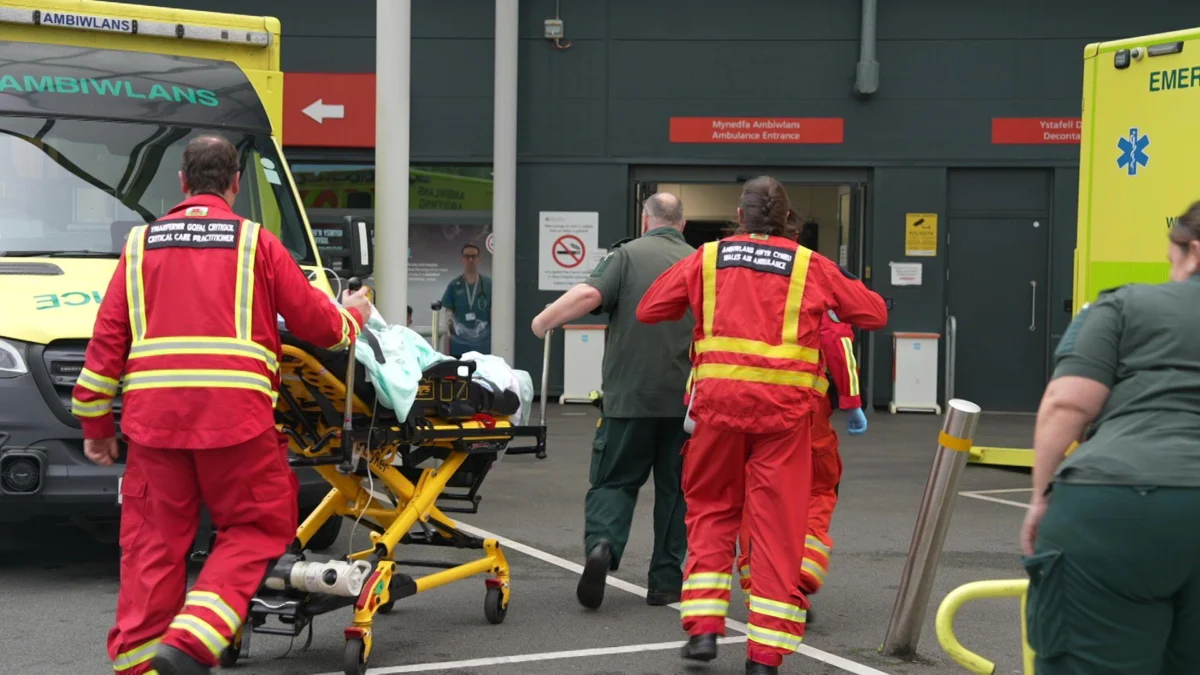
 Roy Suryo