
 Nana Banana
Experts are unequivocal in their assessment, attributing these long-term declines, particularly among the nation’s rarer and more specialist species, to a potent trifecta of environmental pressures: relentless habitat loss, pervasive pollution, and the accelerating impacts of climate change. These factors collectively erode the intricate ecosystems upon which butterflies depend, pushing many towards the brink.
The UKBMS stands as the largest monitoring programme of its kind globally, a testament to the power of citizen science. Its dedicated network of volunteers has diligently tracked butterfly populations across more than 7,600 sites, collectively walking a distance equivalent to circumnavigating the globe an astounding 40 times. This unparalleled dataset provides an invaluable baseline for understanding ecological shifts and the health of the wider environment.
While a handful of adaptable and generalist species have demonstrated resilience, even increasing their populations, the overwhelming trend points towards a worrying decline for those butterflies reliant on specific, often fragile, habitats. Woodland clearings, ancient chalk grasslands, heathlands, and wetland areas, once teeming with diverse insect life, are now struggling under various pressures. These specialist species, with their precise requirements for larval food plants and nectar sources, are proving most vulnerable to environmental degradation and fragmentation.
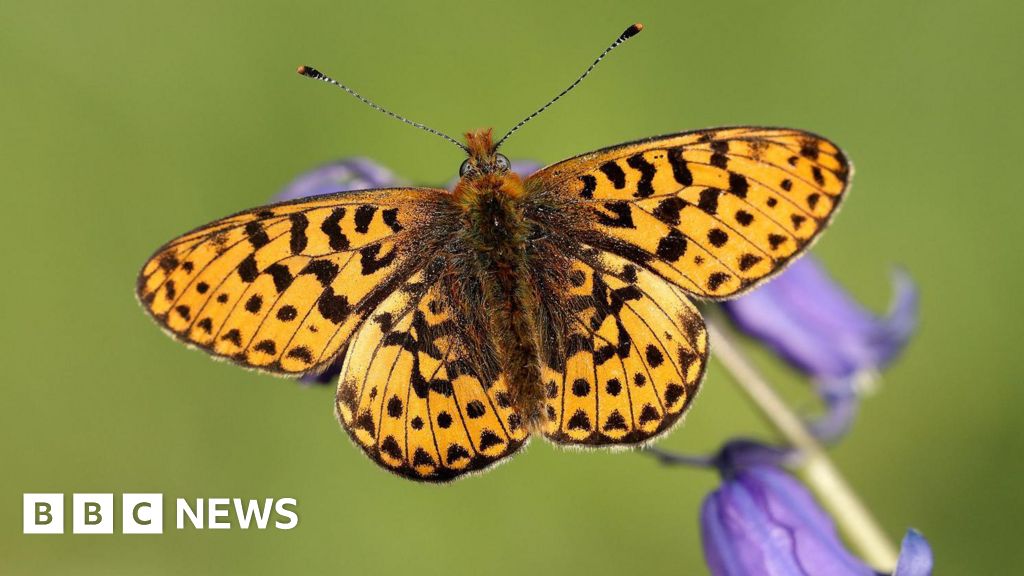
One of the most concerning examples is the Pearl-bordered Fritillary (Boloria euphrosyne), a striking orange and black butterfly once widespread across the UK. This species has suffered a devastating decline of 70% since records began, reflecting the widespread loss and degradation of its preferred habitats. The Pearl-bordered Fritillary thrives in sunny, sheltered woodland clearings, often associated with bracken and the violets its caterpillars feed upon. Changes in woodland management, leading to denser canopies and a reduction in open spaces, along with conversion of land for other uses, have severely curtailed its range. Similarly, the White-letter Hairstreak (Satyrium w-album), a small, elusive butterfly closely associated with elm trees, has seen its numbers plummet by an alarming 80%. Its fate is inextricably linked to the fortunes of the elm, which has been decimated by Dutch elm disease since the 1970s. While some elms show resistance, and new saplings emerge, the cumulative impact of this disease, coupled with general habitat pressures, continues to pose an existential threat to this distinctive species.
Conversely, some species have bucked this alarming trend, finding ways to thrive in a changing climate. The Red Admiral (Vanessa atalanta), a familiar and vibrant butterfly, has seen its numbers soar by more than 300%. Traditionally a migratory species, warmer temperatures in the UK are now allowing Red Admirals to successfully overwinter, establishing resident populations. This adaptability, coupled with its broad diet and ability to exploit a variety of habitats, has positioned it as one of the few success stories in an otherwise bleak landscape. Other adaptable species, such as the Speckled Wood and the Comma, have also shown expansion in their ranges and populations, often benefiting from milder winters and the availability of suitable habitats in suburban and urban green spaces.
The causes of these widespread declines are multifaceted and interconnected. Habitat loss remains a primary driver, with intensive agriculture converting diverse landscapes into monocultures, urbanisation encroaching on natural spaces, and infrastructure development fragmenting remaining habitats. The loss of wildflower meadows, ancient woodlands, and diverse hedgerows removes essential food sources and breeding grounds for butterflies. Pesticides and herbicides, widely used in agriculture and even domestic gardens, directly poison butterflies and their caterpillars, and destroy the larval food plants and nectar sources they depend upon. Even non-lethal doses can impair their ability to forage, navigate, and reproduce.
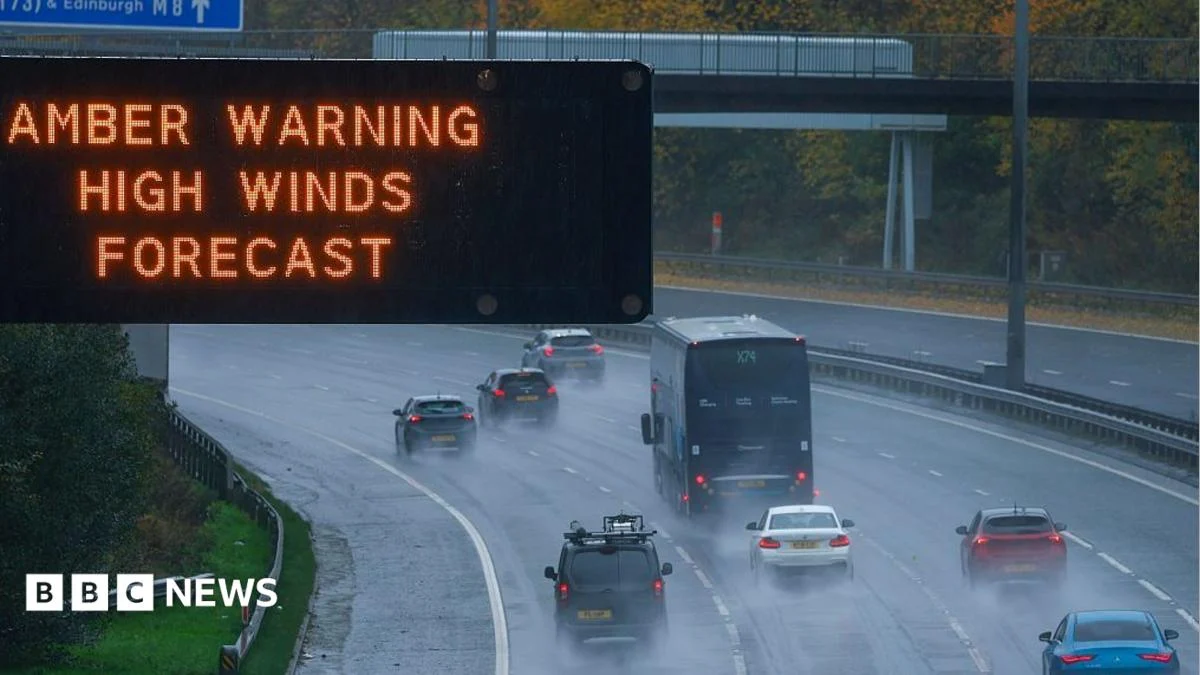
Climate change adds another layer of complexity. While warmer temperatures might initially seem beneficial, the reality is far more nuanced. Unpredictable weather patterns, including more frequent and intense heatwaves, prolonged droughts, unseasonal cold snaps, and altered rainfall patterns, disrupt the delicate life cycles of butterflies. Early springs can cause butterflies to emerge before their host plants are ready, while late frosts can decimate early broods. Droughts can wither host plants and nectar sources, leading to starvation. These climatic shifts can also alter the distribution of host plants and predators, creating a domino effect across the ecosystem.
Despite 2025 being recorded as the sunniest year on record, this statistic did not translate into a bumper year for butterflies overall. The UKBMS data shows that 2025 ranked only 20th out of the past 50 years for butterfly abundance. This counterintuitive finding underscores the complexity of ecological responses to climate. Sunshine alone is not enough; stable, suitable conditions for the entire life cycle, including larval stages, are paramount. If periods of intense sun are accompanied by drought or followed by sudden cold snaps, the overall impact can still be negative for many species.
Professor Richard Fox, the Associate Director of Engagement and Recording at Butterfly Conservation, articulated the profound implications of these findings, stating that the figures clearly illustrate "what type of wildlife is able to survive in the UK’s modern landscapes." His remarks highlight a concerning trend towards a less diverse, more resilient, but ultimately impoverished natural environment. He stressed that reversing these declines hinges critically on widespread habitat restoration, emphasizing that conservation efforts have become "increasingly urgent."
Habitat restoration involves a concerted effort to create, enhance, and reconnect vital ecological spaces. This includes transforming intensively farmed land into wildflower-rich margins and meadows, managing woodlands to create sunny clearings, restoring wetlands, and promoting sustainable farming practices that reduce pesticide use and encourage biodiversity. Projects like the creation of pollinator corridors, linking isolated patches of suitable habitat, are crucial for allowing butterflies to move and adapt. Individual actions also play a significant role; gardeners can contribute by planting native wildflowers and avoiding pesticides, creating a network of vital stepping stones for butterflies across the country.
The data gathered by the UKBMS offers not only a stark warning but also a roadmap for action. By identifying which species are declining and where, conservationists can target interventions more effectively. The half-century of data serves as a powerful reminder of the long-term changes occurring in our environment and the critical need for sustained monitoring and proactive conservation. Without immediate and ambitious efforts to restore and protect our natural landscapes, the vibrant spectacle of UK butterflies risks becoming a memory, a poignant symbol of a biodiversity crisis that demands our collective attention and urgent response. The future of these iconic insects, and indeed the health of the broader ecosystem they represent, depends on the actions taken today.



 George Anjay
 Nakalama John
 atisusanti
 Ramos Leo
 Roy Suryo