
 Roy Suryo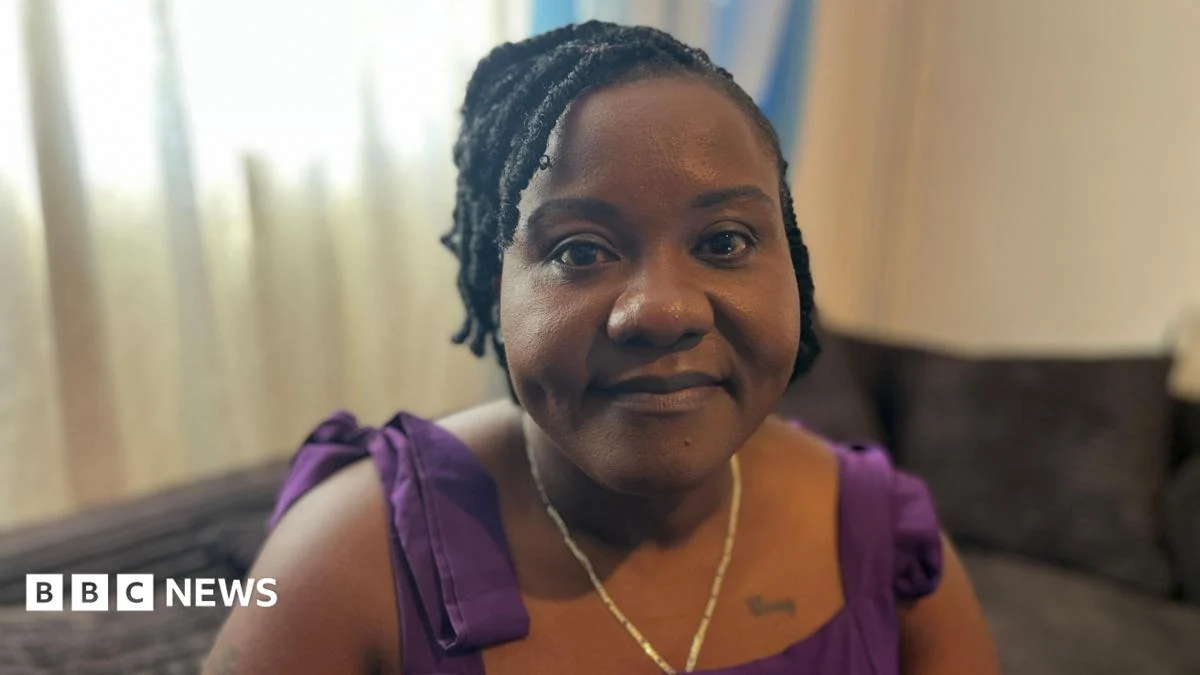
Jessica Lewis, a resilient 25-year-old from Broadstairs, has bravely shared her harrowing two-year journey since her endometriosis diagnosis, a condition that has plagued her with excruciating symptoms since the tender age of 14. Her story, a stark testament to the prolonged suffering and systemic delays often faced by those with the debilitating disease, resonates deeply with a wider community grappling with similar experiences. "It is just excruciating," Lewis recounted, her voice tinged with the lingering pain of countless agonizing episodes. "There have been times that I have literally collapsed on my way home from work because I am in agony." This raw and visceral description highlights the profound impact endometriosis has on daily life, reducing vibrant individuals to mere survivors navigating a constant battle against their own bodies.
The pervasive nature of her symptoms has irrevocably altered Lewis’s existence. "It affects every single thing I do day to day, the plans I make," she explained, her words painting a picture of a life constrained by the unpredictable and often severe pain associated with endometriosis. The joy of anticipation has been replaced by a gnawing dread, a poignant consequence of living with a chronic illness. "It is just really sad because I feel like a lot of the things I used to really look forward to I would now dread." This sentiment underscores the emotional toll of endometriosis, robbing individuals of their ability to freely engage in activities and pursue passions that once brought them happiness.
Lewis’s path to diagnosis was a grueling ordeal, a reflection of the systemic challenges within the healthcare system. According to her NHS notes, she endured an astonishing 22 doctor’s appointments before finally receiving her diagnosis following surgery in 2024. This lengthy and arduous process is a common narrative among endometriosis patients, often characterized by dismissal of symptoms, misdiagnoses, and a frustrating lack of understanding from medical professionals. The delay in diagnosis can exacerbate the disease, leading to more severe pain, infertility, and a greater impact on mental health. Lewis’s experience shines a harsh light on the urgent need for improved diagnostic pathways and earlier intervention.
Fueled by her own difficult journey, Lewis is a passionate advocate for systemic change within the National Health Service (NHS). "I would love for there to be actual change within the NHS in terms of how medical professionals are trained," she declared, articulating a clear vision for a more informed and empathetic healthcare system. Her plea extends to increased investment in research and treatment. "I would love to see more funding for it," she added, recognizing that enhanced financial support is crucial for advancing understanding, developing effective treatments, and ultimately, alleviating the suffering of millions.
Her vision for improved support for endometriosis sufferers aligns with that of other advocates and policymakers. The article introduces the concept of a local wellbeing hub, a space that would offer not only a sanctuary for sharing experiences but also essential resources like a fitness centre. This holistic approach acknowledges that managing endometriosis requires more than just medical intervention; it demands a supportive community and access to complementary therapies that can improve overall quality of life. The inclusion of a dedicated safe space for sharing experiences is particularly vital, fostering a sense of belonging and validation for those who often feel isolated and misunderstood.
The call for increased funding for endometriosis diagnosis and treatment is echoed by other stakeholders. This shared urgency highlights the widespread recognition of the significant unmet needs within the current healthcare landscape. The financial burden of endometriosis, both on individuals and the healthcare system, is substantial, and investing in early diagnosis and effective management strategies could lead to long-term cost savings and, more importantly, improved patient outcomes.
Adding his voice to this critical cause is Tristan Osborne, the local MP for Chatham and Aylesford. Osborne’s support signifies the growing political will to address the challenges posed by endometriosis. He eloquently articulates the necessity of specialized support systems. "We have wellbeing hubs already – I think having one dedicated to women’s and girls’ issues is not only sensible, it is also appropriate," Osbourne stated, emphasizing the gendered nature of many health conditions and the need for targeted initiatives. This statement underscores the importance of creating spaces that cater to the specific health needs of women and girls, acknowledging that a one-size-fits-all approach is insufficient.
Osborne’s commitment extends beyond rhetoric; he has pledged to collaborate with Medway and Tonbridge and Malling councils to explore the implementation of similar provisions in those areas. This proactive approach demonstrates a dedication to translating advocacy into tangible action, aiming to extend the benefits of specialized support networks to a broader population. His efforts signal a crucial step towards creating a more comprehensive and supportive ecosystem for individuals living with endometriosis and other women’s health issues.
The collective voice of individuals like Jessica Lewis, coupled with the support of policymakers like Tristan Osborne, is creating a powerful momentum for change. The ongoing dialogue and proposed initiatives underscore a growing understanding of the profound impact of endometriosis and the urgent need for improved awareness, earlier diagnosis, effective treatment, and robust support systems. The journey for many is far from over, but the shared experiences and the burgeoning advocacy offer a beacon of hope, reassuring those who suffer that they are indeed, not alone. The fight for better endometriosis care is a testament to the power of lived experience and the vital role of community in driving meaningful progress. The path forward requires sustained effort, increased investment, and a fundamental shift in how endometriosis is perceived and managed within healthcare systems and society at large. The stories shared, like that of Jessica Lewis, are not just personal accounts of suffering; they are vital calls to action, demanding a future where endometriosis is understood, treated, and managed with the urgency and compassion it deserves.




 Nakalama John
 atisusanti
 Ramos Leo
