
 Roy Suryo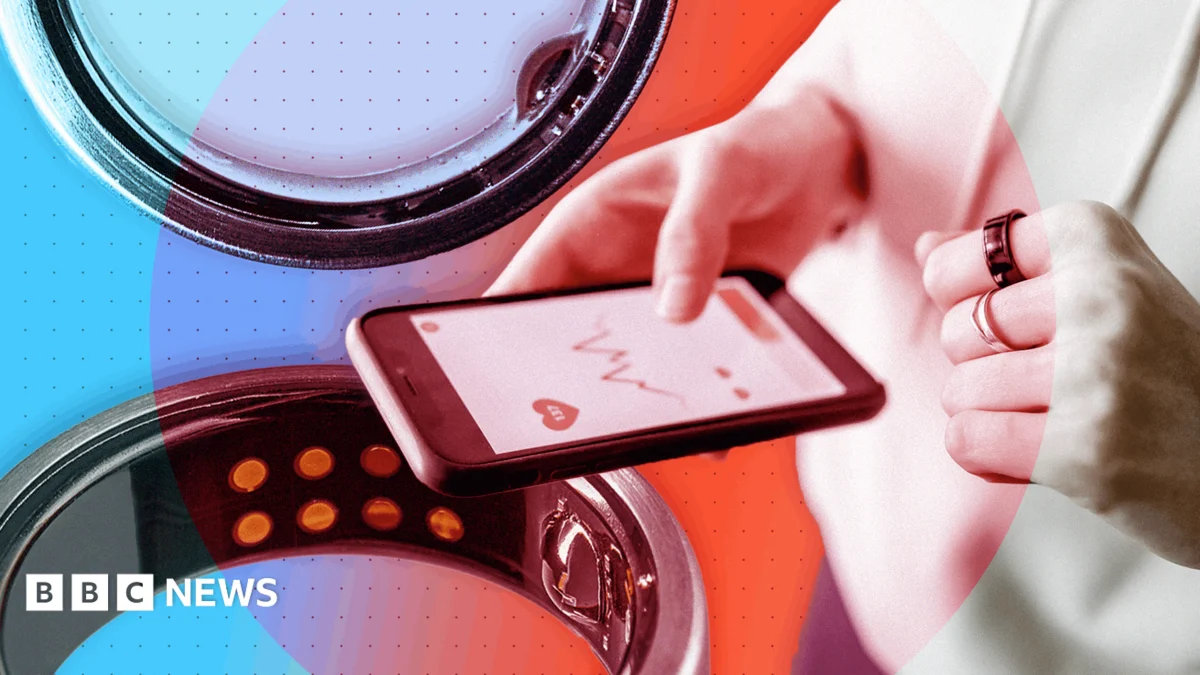
In the intricate tapestry of modern wellness, where data streams from wristbands and rings offer glimpses into our physiological states, a new narrative is emerging: the profound, and at times unsettling, ability of these devices to signal life’s earliest whispers, even before conscious awareness. Sofia, a 32-year-old, found herself at the forefront of this evolving understanding. Her journey through early pregnancy, marked by loss and eventual triumph, was meticulously charted by her Oura ring, a silent witness to the subtle shifts in her body. She had experienced two miscarriages, both of which she first detected through the data her Oura ring provided, before finally becoming pregnant with her now five-month-old son.
The first instance of this premonition occurred early last year. Sofia, like many navigating the hopeful terrain of conception, would meticulously check her Oura app each morning, scrutinizing the digital readouts for any hint of progress. "When I would wake up to see the [temperature] line progressing, and then I saw in the app one morning that my temperature had dropped – and that’s how I knew, something’s weird," she recounted, her voice tinged with the memory of that initial concern. This deviation from the expected pattern served as an early alarm bell. "When I did have the miscarriage, I kind of was already mentally prepared because of the data I saw." This forewarning, though painful, provided a crucial buffer against the shock, allowing her to process the loss with a degree of emotional readiness.
Tragically, history repeated itself just three months later. The same disconcerting dip in her basal body temperature, as recorded by her Oura ring, signaled another pregnancy that was not to be. This second loss prompted Sofia and her husband to pause their efforts to conceive, opting for a period of respite. It was during this intentional break that her Oura ring, seemingly sensing a resurgence of physiological activity, delivered a notification of "minor signs of strain" and registered another elevated temperature reading. This time, the data presented a different kind of anomaly – a potential glimmer of hope. Intrigued and cautiously optimistic, she took a pregnancy test, which returned a positive result.
Though this pregnancy ultimately proved healthy, the lingering shadow of her previous losses cast a pall of anxiety over those initial weeks. Sofia found herself compulsively returning to her Oura app, seeking reassurance in the familiar metrics. "I was like, ‘Oh my God, is this going to happen again?’, and I remember I would wake up at four or five in the morning and just check my app to see if my temperature had dipped," she admitted. The temperature graph, once a tool for tracking ovulation, had transformed into a barometer of her deepest fears. "I was so conscious of that piece of data to the point where, when I reached seven or eight weeks [pregnant], I had to take my ring off and didn’t wear it for all of the first trimester." The constant vigilance, fueled by the data, became too much to bear, necessitating a temporary detachment from the very technology that had initially offered her insight.
The phenomenon Sofia experienced is not isolated. Dr. Stuart Lavery, a consultant in reproductive medicine at University College Hospital in London, acknowledges the growing trend of individuals leveraging wearable technology to gain a deeper understanding of their bodies, particularly in the context of family planning. "People are understandably using this technology to try and get a greater understanding, and to try and pick up things as early as possible because it has such a profound impact on your life if you’re planning a pregnancy," he stated. Wearable devices, with their continuous monitoring of heart rate, heart rate variability, respiratory rate, and crucially, body temperature, can indeed detect subtle physiological changes that may precede a missed period or a positive pregnancy test. A consistent rise in basal body temperature, for instance, is a well-established indicator of ovulation and early pregnancy. Conversely, a sudden drop can sometimes signal the onset of menstruation or, in some cases, an impending miscarriage.
However, Dr. Lavery injects a note of caution into this burgeoning field. "We might be running before we can walk," he warned. The rapid adoption of these technologies for such sensitive and critical health decisions outpaces the robust scientific validation required for their definitive interpretation. "We probably need a lot more data on the reliability, we need a lot more research… otherwise what happens is your levels of anxiety will just skyrocket." The potential for misinterpretation, or for the data to amplify pre-existing anxieties, is a significant concern. A single anomalous reading, without broader context or understanding, could lead to undue stress and emotional distress.
"I have no doubt that more people will be using technology, an app-based approach or a wearable-based approach, to try and pick up these things," Dr. Lavery continued. "But I think it should come with quite a big health warning about how much we can rely on them for accuracy." The inherent variability of physiological data, influenced by myriad factors such as sleep quality, diet, stress levels, and illness, means that a definitive diagnosis based solely on wearable device readings is premature. These devices are best viewed as supplementary tools, not as definitive diagnostic instruments.
In response to the anxieties reported by users like Sofia, Dr. Chris Curry, Oura’s clinical director of women’s health, offered a nuanced perspective. "With or without biometric tracking, pregnancy can be an uncertain time where many women, particularly those pregnant for the first time, are in the dark about the range of what’s normal," she acknowledged. Pregnancy is a period of immense physiological transformation, and the absence of prior experience can naturally breed uncertainty. The data from a wearable, while offering insights, can also inadvertently heighten this uncertainty if not contextualized properly.
Dr. Curry emphasized Oura’s commitment to user well-being, stating that if members feel overwhelmed, the company "encourages members to take a break from the app experience, whilst Oura Ring continues to collect data and gather insights." This approach recognizes that sometimes, stepping away from the constant stream of data is essential for mental health. "The ring is a support tool, not a replacement for your care team," she reiterated, underscoring the irreplaceable role of qualified healthcare professionals in managing pregnancy.
Ravika, another individual who experienced a miscarriage, reflected on her own journey with her tracker. Although she sadly did miscarry, her experience has profoundly influenced her approach to conceiving again. "I didn’t really see myself as being an anxious person, but… I think going forward if it came to a point where I had an inkling that I was pregnant and my stats were low, as soon as that positive pregnancy test was there, I do think it would be the best thing for me to take the ring off." Her newfound understanding highlights a crucial shift in perspective: the data, while offering potential early detection, can also become a source of significant emotional burden. The decision to disconnect from the technology during the most vulnerable stages of early pregnancy has become a conscious strategy for preserving her mental peace.
The narrative woven by Sofia and others like her underscores a critical juncture in our relationship with technology and our bodies. Fitness trackers and smart rings are evolving beyond mere calorie counters and step trackers; they are becoming sophisticated physiological monitors with the potential to offer unprecedented insights into our health. As this technology advances, so too must our understanding of its capabilities and limitations. The ability of these devices to detect subtle biological signals, such as those indicative of early pregnancy or loss, is both remarkable and a call for careful, evidence-based integration into our healthcare practices. While the promise of early detection and proactive health management is enticing, it is imperative that we approach this data with a critical eye, tempered by scientific rigor and a profound respect for the emotional complexities inherent in the journey of conception and pregnancy. The future of wellness technology lies not just in its ability to collect data, but in its capacity to empower individuals with accurate information, balanced with robust support systems, and a clear understanding of when to rely on human expertise over algorithmic interpretation.




 Nakalama John
 atisusanti
 Ramos Leo
