
 George Anjay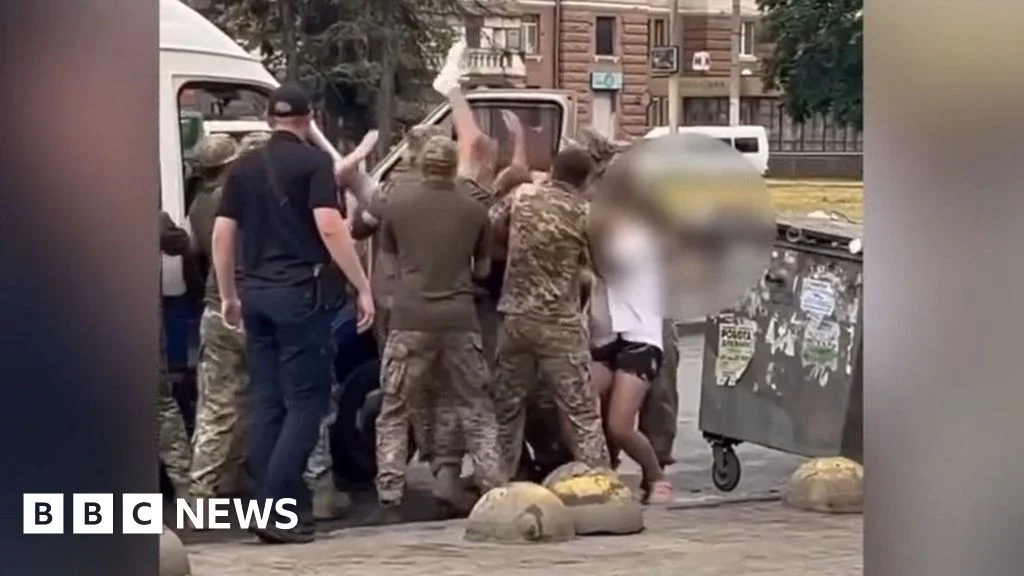
The underlying reasons for this burgeoning disaffection are multifaceted and deeply rooted in the lived experiences of Ukrainians. Foremost among these is the palpable fear of the front lines, a fear that is not abstract but grounded in harrowing accounts and the constant specter of death and dismemberment. The brutal realities of trench warfare, artillery barrages, and close-quarters combat have been widely disseminated, creating a deep-seated aversion to military service for many. The sheer intensity and indiscriminate nature of modern warfare mean that even those who might have harbored a sense of patriotic duty are now weighing that against the stark possibility of their own demise or debilitating injury. This fear is not a sign of cowardice, but a rational response to an existential threat.
Furthermore, the protracted nature of the war, with no clear end in sight, contributes significantly to a sense of futility and disillusionment. The initial surge of nationalistic fervor and a unified resolve to defend the homeland has, for some, begun to wane under the relentless grind of years of conflict. The lack of a defined victory condition or a clear roadmap to peace fosters a perception that military service may be a commitment to an endless war, a potentially futile sacrifice for an uncertain outcome. This weariness breeds a desire for normalcy, a longing to return to pre-war lives, and a deep-seated reluctance to be drawn further into a conflict that seems to consume lives and resources without apparent resolution.
This pervasive hesitancy has unfortunately spilled over into direct and, at times, violent confrontations between citizens and the very individuals tasked with their conscription. Recruitment officers, once seen as facilitators of national defense, are increasingly viewed by some as agents of forced conscription, agents of a state demanding further sacrifice in a war that many feel has already demanded too much. This perception, fueled by desperation and a sense of being trapped, has led to some Ukrainians violently lashing out at those attempting to enforce conscription laws. The image of a recruiter, once a symbol of duty, has, for a segment of the population, become a symbol of the state’s overreach and the war’s unending drain.
The alarming escalation of this violence is starkly reflected in official reports. The latest National Police Service report provides a chilling testament to this trend, recording more than 600 assaults on recruitment officers to date. This figure represents not just isolated incidents but a systemic and growing problem, with the police service warning that the aggression has become "increasingly threatening." This escalation is not merely anecdotal; it is a statistically validated phenomenon that underscores the depth of public frustration and anger.
The nature of these assaults is particularly disturbing. In April, the nation was shaken by news of several recruiters being stabbed, with one such incident resulting in a fatality. This is no longer a matter of verbal altercations or minor scuffles; these are attacks involving lethal force, indicating a desperation and a willingness to employ extreme measures to avoid conscription. The sanctity of life, both for the recruiters and the conscripts, is being threatened by this escalating violence.
More recently, in Lviv this month, a dramatic incident unfolded that captured national attention and highlighted the intensity of public sentiment. Approximately 200 protesters surrounded recruitment officers who were attempting to detain a suspected draft dodger. The situation quickly devolved into chaos as the crowd became enraged, culminating in the smashing and overturning of the officers’ vehicle. This act of defiance, bordering on a riot, sent a clear message of dissent and resistance, demonstrating the lengths to which some will go to protect those perceived as being unfairly targeted by the conscription system.
The severity of the Lviv incident was such that it made national headlines, prompting a strong response from the highest levels of government. President Volodymyr Zelensky, a figure who embodies the nation’s struggle and resilience, condemned the violence against serving soldiers. His condemnation underscores the gravity of the situation and the government’s concern that such acts not only endanger the individuals involved but also undermine the broader war effort and the rule of law. The President’s words, while aimed at curbing the violence, also implicitly acknowledge the deep-seated issues that are fueling this unrest.
The surge in violence against military recruiters is a complex symptom of a nation at war, grappling with the profound human cost of sustained conflict. It is a reflection of the fear of the battlefield, the weariness of endless war, and a growing disconnect between the state’s demands and the populace’s capacity or willingness to meet them. The situation is further exacerbated by the fact that Ukraine is not fighting a conventional war of quick campaigns and clear objectives, but a grinding, attritional conflict where the front lines are fluid and the casualties are high and relentless.
The psychological impact of this prolonged war cannot be overstated. For years, Ukrainian citizens have lived under the constant threat of invasion, bombardment, and the loss of loved ones. The mobilization efforts, while necessary for national defense, are perceived by some as a further imposition on lives already irrevocably altered by war. The idea of being sent to the front lines, where the risks are immense and the rewards uncertain, becomes increasingly unpalatable as the war drags on.
Furthermore, there are questions about the fairness and effectiveness of the conscription process itself. Rumors of corruption, preferential treatment, and a lack of transparency in how individuals are selected for service can breed resentment and a sense of injustice. When citizens perceive the system as being inequitable, their willingness to comply diminishes, and their anger can be directed at those who are seen as enforcing this perceived unfairness.
The role of information and propaganda, both domestic and foreign, also plays a part. While the Ukrainian government strives to maintain national unity and encourage enlistment, there are always those who seek to sow discord and undermine the war effort. Disinformation campaigns can exploit existing fears and frustrations, amplifying them and contributing to a climate of distrust and hostility towards military institutions.
The violence against recruiters is not an isolated phenomenon; it is a manifestation of deeper societal anxieties and a testament to the immense strain that prolonged warfare places on a nation. It highlights the critical need for the Ukrainian government to not only bolster its military strength but also to address the underlying causes of public discontent. This includes ensuring transparency and fairness in the conscription process, providing robust psychological support for soldiers and their families, and communicating a clear and hopeful vision for the future that can counter the pervasive sense of endless war.
The harrowing accounts of recruiters facing violence are a stark reminder that the war against Russia is not just being fought on the eastern front, but also within the hearts and minds of the Ukrainian people. The nation’s ability to sustain its defense efforts hinges not only on its military prowess but also on its capacity to maintain public trust, manage societal anxieties, and ensure that the burden of war is perceived as equitably shared and ultimately leading towards a justifiable peace. The escalating violence against recruiters is a siren call, demanding a comprehensive and compassionate response that addresses the human cost of this devastating conflict. The very fabric of Ukrainian society is being tested, and the way it responds to these challenges will determine not only the outcome of the war but also the future resilience and unity of the nation itself. The incidents of violence are not just statistics; they are deeply personal tragedies that underscore the immense pressure and desperation experienced by individuals caught in the throes of an unforgiving war, and the urgent need for solutions that go beyond mere enforcement.

 Nakalama John
 atisusanti
 Ramos Leo
 Roy Suryo
 Nana Banana