
 Ramos Leo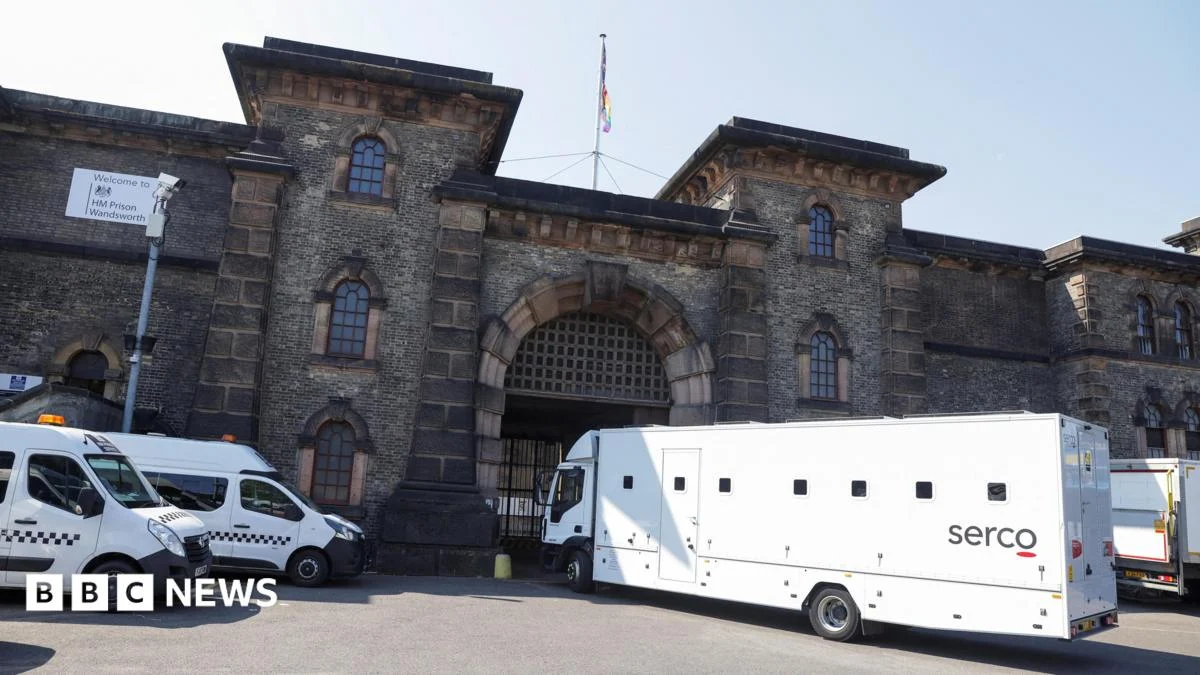
The early release scheme, initiated in September 2024, has seen tens of thousands of inmates released from prison to alleviate severe overcrowding across the jail network. This measure, unprecedented in its scale, was a direct response to a prison system teetering on the brink, with capacity stretched to its absolute limits. Critics have consistently argued that while the problem of overcrowding is undeniable, the solution of early release risks public safety and undermines public confidence in the justice system. The policy has allowed certain offenders, primarily those serving shorter sentences for less serious crimes, to be released up to 70 days early, often under electronic tagging and strict supervision, in a desperate bid to free up essential bed spaces.
Burnham candidly acknowledged the root cause of the current predicament, identifying "pressure on prisons places" as a critical national issue. He further admitted that a systemic "failure to invest in the prison system in the past" had directly contributed to what he termed "an unacceptable situation." This lack of foresight and sustained funding across successive governments has left the UK with an aging, overstretched, and often inadequate prison estate incapable of handling the rising inmate population. Decades of underinvestment have resulted in crumbling infrastructure, insufficient staffing levels, and a significant backlog in maintenance and expansion projects, creating a perfect storm for the current crisis.
The backdrop to the Prime Minister’s announcement is a landscape of growing public alarm and increasing political scrutiny. The issue was dramatically brought to the fore by the heart-wrenching testimony of Lissie Harper, the mother of police officer Andrew Harper. She recently expressed profound anguish, describing the potential early release of two of her son’s killers as feeling like an "insult." Jessie Cole and Albert Bowers, convicted of manslaughter in connection with PC Harper’s death, were sentenced to 13 years in custody. The prospect of their early release, even under the provisions of the new Sentencing Act, ignited a firestorm of public outrage, highlighting the deeply personal and devastating impact of such policies on victims and their families. Their case has become a poignant symbol for those who believe the system is failing to deliver justice.
The overcrowding of the prison estate has been a persistent and thorny problem for several years, defying easy solutions and challenging every government in recent memory. Attempts to manage the crisis have ranged from emergency measures to more systemic reforms, but none have fully resolved the fundamental imbalance between prison capacity and the number of individuals being incarcerated. The Sentencing Act, passed by Sir Keir Starmer’s government earlier this year, was specifically designed to ease pressure on prisons by adjusting sentencing guidelines and enabling some offenders to spend less time in prison before release. While ostensibly aimed at creating a more efficient and sustainable justice system, its practical implementation has been met with considerable public and political resistance, particularly when it touches on serious criminal cases. The Act sought to address the long-term issue by streamlining pathways to release for certain categories of offenders, thereby making the overall system more responsive to capacity constraints. However, the legislation has been criticised for prioritising logistical concerns over the punitive and deterrent aspects of justice.
Prime Minister Burnham’s commitment to a detailed review suggests a recognition of these profound public concerns and a desire to ensure the policy strikes a more acceptable balance. "I want to assure myself that everything has been looked at before this policy proceeds," he affirmed, adding, "and I can give that assurance that every single part of this I will look into with the justice secretary." This statement implies a thorough examination of the criteria for early release, the types of offences eligible, the risk assessment processes, and the overall impact on public safety. The review is expected to involve extensive consultation with legal experts, prison governors, victim support groups, police federations, and rehabilitation specialists. It will likely scrutinise the efficacy of the current electronic tagging and monitoring systems, assess the rates of reoffending among those released early, and evaluate the resources available for post-release supervision.
The challenge for the Prime Minister is multifaceted. On one hand, he must address the undeniable and urgent need to manage prison populations to prevent a complete collapse of the system, which would endanger both inmates and staff. Overcrowding leads to increased violence, reduced access to rehabilitation programs, and poorer mental health outcomes, ultimately hindering the very purpose of incarceration. On the other hand, he must restore public confidence in a justice system that many feel is increasingly lenient and out of touch with the expectations of victims and law-abiding citizens. Balancing these competing demands will require delicate political manoeuvring and a clear, well-communicated strategy.
Potential outcomes of Burnham’s review could range from a tightening of the criteria for early release, excluding certain categories of offenders, to an increase in funding for new prison builds or expansions. While building new prisons is a long-term solution requiring substantial investment and time, it remains a critical component of any sustainable strategy. Other alternatives under consideration might include an enhanced focus on non-custodial sentences for less serious crimes, such as robust community service orders, advanced electronic monitoring without a prison stay, and improved diversion schemes for individuals with mental health issues or drug dependencies. Investment in effective rehabilitation programs within prisons could also play a crucial role, aiming to reduce reoffending rates and thereby lessen the long-term demand for prison places.
Ultimately, the Prime Minister’s review is not just about the early release scheme but about the future direction of criminal justice in the country. It represents an opportunity to re-evaluate how society punishes, rehabilitates, and protects. The outcome of this review will have profound implications for public safety, the integrity of the justice system, and the political standing of Andy Burnham’s government as it grapples with one of the most intractable domestic policy challenges. The nation will be watching closely as the government navigates this complex and emotionally charged issue, seeking a resolution that upholds justice while addressing the stark realities of a prison system under immense strain.




 Roy Suryo

 Nakalama John
 atisusanti
