Nakalama John
Pubs, clubs, and cherished live music venues across England are set to receive a significant economic boost with a 20% reduction in business rates, effective from April of the coming year. This substantial relief measure, unveiled by Prime Minister Andy Burnham, is projected to save an average of £1,100 for nearly 32,000 eligible businesses annually, marking a pivotal moment for a sector grappling with persistent financial pressures. The government estimates the overall cost of this initiative to be £100 million, a sum it plans to fund through a targeted review of tax relief for businesses deemed not to contribute positively to local communities, such as vape shops, alongside a reinforced crackdown on online marketplaces failing to meet their tax obligations.
In what marks his third major policy announcement since assuming the premiership, Andy Burnham articulated the government’s rationale for the intervention. He stated, "For too long, governments have stood by while cherished venues have disappeared from our local high streets," acknowledging the cultural and economic void left by the closure of these establishments. His administration’s commitment extends beyond mere financial aid, aiming to preserve the vital social fabric these venues represent, often serving as community hubs and essential pillars of the night-time economy. This latest measure aligns with Burnham’s broader agenda to provide "breathing space" for individuals and businesses across the nation, following recent announcements of a 5% cut in VAT on electricity bills and the capping of bus fares at £2 across England, excluding London.
The funding strategy for the business rates cut underscores the government’s intent to re-evaluate tax expenditures and ensure fairness across the commercial landscape. The proposed review of tax relief on businesses like vape shops signals a shift towards prioritising sectors that are perceived to offer tangible societal benefits. The government’s stance suggests that businesses whose primary contribution is not seen as fostering community well-being or local prosperity may face increased scrutiny regarding their tax benefits. Furthermore, the pledge to "crack down" on online marketplaces that are delinquent in their tax compliance highlights a determination to level the playing field for traditional brick-and-mortar businesses, ensuring that all enterprises operating within the UK adhere to their fiscal responsibilities. This two-pronged approach aims to generate the necessary revenue without burdening compliant businesses or the general taxpayer.
Initial reactions from hospitality leaders have been a mixture of cautious optimism and a plea for more comprehensive support. Allen Simpson, chief executive of UK Hospitality, welcomed the plans as "a good start," interpreting Burnham’s move as a sign that "his affection for hospitality has survived the trip down the M1." This sentiment reflects a hope that the new administration genuinely understands the unique challenges faced by the sector. Michael Kill, chief executive of the Night Time Industries Association, echoed this positive outlook, suggesting that the tax break could provide "meaningful relief to businesses facing sustained cost pressures." He emphasised the potential for this intervention to offer a lifeline to many establishments struggling to stay afloat amidst an unforgiving economic climate.
However, the enthusiasm was tempered by significant concerns regarding the scope and long-term efficacy of the proposed measures. Many pub owners, while acknowledging the gesture, expressed apprehension that the package might not go far enough to counteract the substantial increases in operating costs elsewhere. Iain Hoskins, who owns the Ma Pub Group in Liverpool, told the BBC that while the relief would help "chip away" at rising expenses, the "devil is in the detail" regarding how many venues would genuinely benefit. Hoskins highlighted his past experience, where his pubs had often missed out on government business rates support, leading to immense cost pressures. He noted that the current relief, while welcome, largely serves to mitigate some of the "huge increases" experienced in previous years rather than offering a truly transformative solution.
Adding to the cautious reception, Steve Perez, founder of soft drinks company Global Brands and an owner of two hotels, commented that while the announcement is "welcome," it "won’t make any material difference to any pub." This stark assessment underscores a prevalent feeling among some operators that the scale of the challenges facing the industry demands more radical interventions. A specific point of contention raised by both Allen Simpson and Michael Kill was the exclusion of the "very largest" live music venues from the 20% discount. Details regarding the eligibility criteria and the definition of "very largest" are still pending, expected to be announced at Chancellor John Healey’s inaugural Budget in the autumn. This ambiguity creates uncertainty and concern for larger operators who contribute significantly to the cultural landscape and employ a substantial workforce.
The decision to cut business rates must be viewed against a tumultuous backdrop of recent policy changes and economic headwinds. Under previous Chancellor Rachel Reeves, the government had indicated a scaling back of business rate discounts that had been in place since the pandemic, culminating in an announcement last year (2026) that there would be no discount at all from April of this year (2027). This prospect, combined with significant upward adjustments to the rateable values of pub premises, threatened landlords with substantially higher rates bills. Following widespread criticism from the hospitality industry, the government had, earlier in 2026, introduced a 15% cut to business rates for pubs and music venues. The newly announced 20% discount is set to apply on top of any existing support, implying a more generous and sustained commitment to the sector than previously envisioned, effectively replacing the planned 0% discount for the upcoming fiscal year with a significant reduction.
The Federation of Small Businesses (FSB) welcomed Thursday’s announcement but stressed that it must be "a downpayment on action that reaches across the small business community." Tina McKenzie, FSB policy chief, found the plans encouraging, particularly for their potential to "fix the damage caused by past business rates decisions which are holding back small business growth and jobs in every postcode." This perspective highlights the broader implications of business rates, which are often cited as a major disincentive for investment and expansion among small and medium-sized enterprises (SMEs). The current system, critics argue, disproportionately impacts high-street businesses, often failing to adapt to changes in the economic landscape, such as the rise of online retail.
The hospitality sector, particularly pubs, clubs, and music venues, has been at the sharp end of a multitude of economic pressures in recent years. Beyond business rates, these establishments contend with soaring energy costs, persistent supply chain disruptions, and a tightening labour market driving up wage demands. The ongoing cost-of-living crisis has also impacted consumer spending, with discretionary income shrinking for many households, leading to reduced footfall and lower sales. Against this challenging backdrop, any relief measure is seen as crucial for survival. These venues are not just commercial entities; they are integral to the social fabric of communities, providing employment, fostering local talent, and contributing significantly to the cultural vibrancy of towns and cities across England. The prospect of further closures due to unsustainable operating costs represents a loss far greater than just economic figures.
Looking ahead, all eyes will be on Chancellor John Healey’s first Budget in the autumn, where critical details regarding the implementation of the 20% discount are expected to be unveiled. The precise criteria for eligibility, particularly concerning the exclusion of the "very largest" live music venues, will be crucial in determining the full impact of this policy. Stakeholders will be scrutinising the fine print to ensure that the relief is genuinely accessible and equitable. The government’s broader economic strategy under Prime Minister Burnham appears to be focused on targeted interventions designed to alleviate immediate financial burdens and stimulate growth in key sectors. However, the long-standing debate over fundamental reform of the business rates system continues, with many advocating for a more comprehensive overhaul to create a fairer and more sustainable taxation framework for all businesses in the UK. This announcement, while providing immediate relief, serves as a stepping stone in an ongoing conversation about the future economic health of the nation’s cherished high streets and cultural institutions.



 Roy Suryo

 atisusanti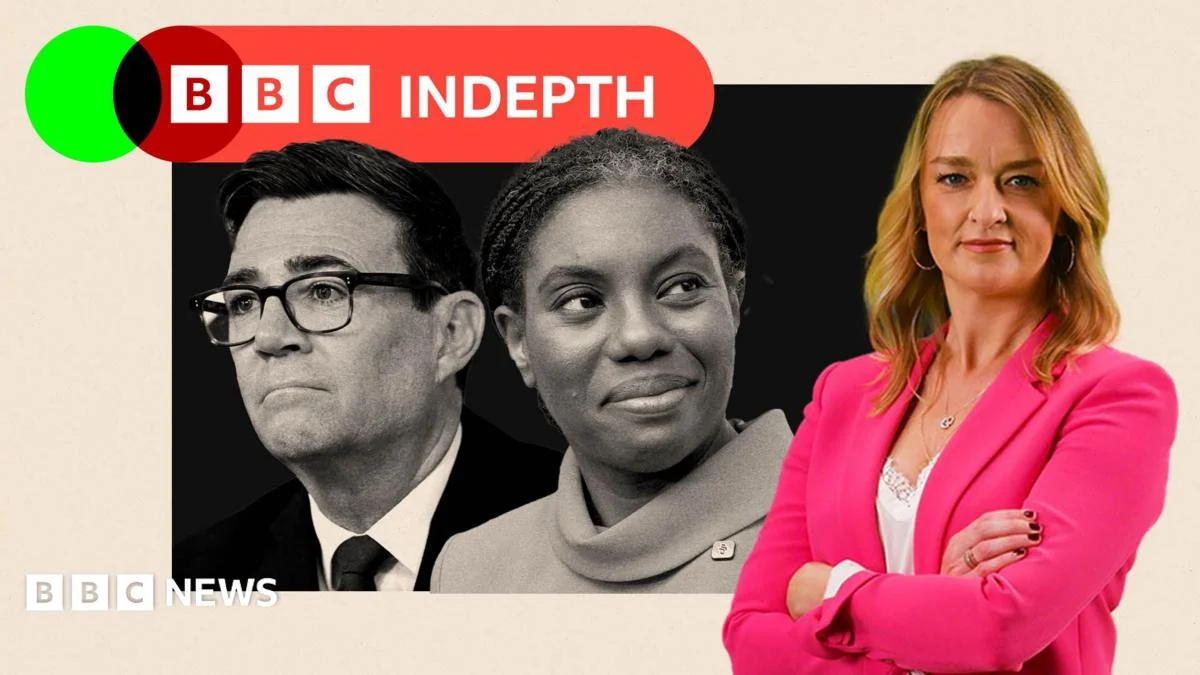
 Ramos Leo