Nakalama John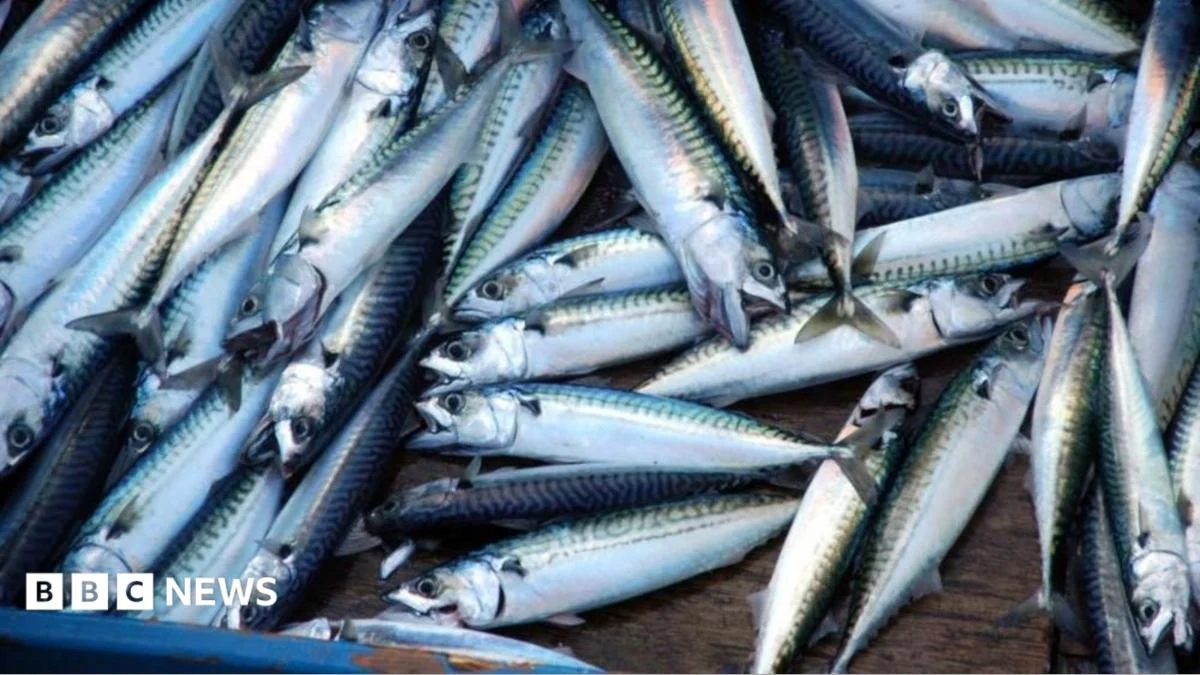
Prominent food supplier Princes, whose products grace the shelves of major supermarkets, has made a significant substitution, replacing Atlantic mackerel with jack mackerel, an entirely different species. This move is mirrored by Lidl, which is selling similar tins under its house brand. The shift has been largely driven by the severe depletion of Atlantic mackerel stocks, a consequence of years of unsustainable overfishing. In stark contrast, its Chilean counterpart, jack mackerel, offers a more sustainable sourcing option and comes at approximately one-third of the cost, presenting a compelling economic incentive for manufacturers.
Sue Davies, head of food policy at Which?, voiced strong concerns regarding this development. "It’s a real concern when manufacturers quietly downgrade everyday staples like these as shoppers can end up paying the same price for a product that delivers significantly less nutritional quality," she stated. This sentiment underscores the core issue of skimpflation: consumers unknowingly receiving a poorer value proposition. The nutritional disparity between the two fish species is substantial; jack mackerel contains roughly half the amount of beneficial omega-3 fatty acids and approximately a third less vitamin B12 compared to traditional mackerel. Omega-3s are crucial for heart and brain health, while B12 is vital for nerve function and red blood cell formation, making this nutritional downgrade particularly impactful for consumers relying on tinned fish as an affordable source of these essential nutrients.
The introduction of jack mackerel has not gone unnoticed by consumers, with some lodging complaints regarding noticeable differences in taste and texture. Beyond sensory aspects, there are also growing concerns about the clarity and prominence of the labelling used to identify the replacement fish. Many feel that the change is not sufficiently highlighted, leading to confusion and a sense of being misled.
Princes had publicly announced its intention to transition all its tinned mackerel products to jack mackerel last October. The company affirmed that the species meets the rigorous sustainability standards set by the Marine Stewardship Council (MSC). In their defence, Princes stated that their jack mackerel products are "clearly identified" and were introduced only after extensive product and consumer testing. They described jack mackerel as possessing a "milder flavour and meatier texture," aiming to position the change as an acceptable, even preferable, alternative. Lidl GB, in line with its brand policy, also affirmed its "commitment to sourcing fish and seafood from responsibly managed fisheries."
Davies from Which? emphasized the ethical responsibility of manufacturers. "While manufacturers face genuine supply chain pressures and sustainability challenges, they have a responsibility to shoppers to be completely upfront when they change a product’s recipe," she asserted. She elaborated on the deceptive nature of skimpflation: "Skimpflation – quietly changing ingredients to cut costs – has become increasingly common, but it can feel particularly sneaky as shoppers may not realise a product has changed until they get it home and eat it." This clandestine nature erodes consumer trust and makes informed purchasing decisions challenging.
A key point of potential consumer confusion lies in the very name: despite its common appellation, jack mackerel is not, in fact, a type of mackerel in the traditional biological sense. Jack mackerel belongs to the Carangidae fish family, which includes species like trevally and scad, whereas traditional mackerel falls under the Scombridae family, alongside tuna. Until very recently, UK law reflected this distinction. Before December 2025, Carangidae species could only be marketed as "jack," "scad," "trevally," or "horse mackerel." However, shortly after Princes launched its new product as "jack mackerel," the Department for Environment, Food and Rural Affairs (Defra) altered its rules, permitting the broader labelling. This regulatory shift raises questions about the influence of industry on food standards and consumer clarity.
The economic motivation behind the switch is undeniable. Industry figures, recirculated by the seafood market intelligence platform Undercurrent, indicate that wholesale Chilean jack mackerel costs approximately one-third of the price of Atlantic mackerel. This significant cost saving allows manufacturers to mitigate rising input costs without necessarily passing those savings, or even maintaining existing prices, onto consumers for a qualitatively different product.
The Scottish Pelagic Fishermen’s Association expressed concerns about the potential for consumer confusion. CEO designate Hannah Fennell highlighted the expectation that "consumers should be able to clearly understand what they are buying." She further argued that if retailers move away from Northeast Atlantic mackerel, they are "unfairly punishing the UK industry while instead sourcing a different, less omega-3-rich species from the other side of the world with a significantly higher carbon footprint to the UK market." This introduces another layer of complexity: while the Chilean jack mackerel is MSC-certified, its transport across vast distances inherently incurs a greater carbon footprint compared to sourcing from closer, traditional fishing grounds.
The backdrop to this shift is the protracted and contentious "mackerel war." This long-running dispute involves the UK, Iceland, Greenland, Norway, the Faroe Islands, the EU, and Russia, all vying over shared mackerel catch quotas in the North-East Atlantic. These nations have consistently failed to agree upon a unified system for sharing stock and setting catch limits that align with scientific advice. The consequences of this failure have been dire. According to the Marine Stewardship Council (MSC), mackerel catches in the north-east Atlantic have exceeded scientifically advised levels by an average of 39% over the past 15 years. The International Council for the Exploration of the Sea (ICES) reports a drastic plummet in stocks, by roughly three-quarters over the past decade. To allow the stock a chance to recover, the intergovernmental body has advised a draconian cut of approximately 70% in the quantity of north-east Atlantic mackerel caught in 2026.
Last year, the Marine Conservation Society issued a stark warning, declaring the Atlantic mackerel population to be at "breaking point." This severe depletion has had tangible consequences, leading to the fish losing its MSC certification. This loss is critical, as MSC certification is a prerequisite for many retailers’ sustainability policies. Chilean jack mackerel, in stark contrast, holds this coveted certification, making it an attractive alternative for supermarkets committed to stocking certified sustainable seafood.
In February, Waitrose made a decisive move, announcing it would suspend sales of fresh, chilled, and frozen mackerel due to overfishing concerns, with tinned products being phased out as existing stock was depleted. This action was lauded by the Marine Conservation Society as "leading and decisive," setting a precedent for other retailers. The shift to jack mackerel is not confined to the UK; supermarkets in the Netherlands have also ceased selling Atlantic mackerel, and at least one major supermarket in Sweden has made the switch to jack mackerel, indicating a broader European trend driven by sustainability concerns and economic pressures.
The ‘skimpflation’ warning regarding tinned mackerel highlights a complex interplay of environmental sustainability, economic pressures, regulatory frameworks, and consumer rights. While the drive for sustainable seafood is commendable and necessary, the manner in which these changes are implemented – particularly with a reduction in nutritional quality and potential lack of clear labelling – raises significant questions about transparency and consumer welfare in an era of rising living costs. Consumers are left navigating a market where familiar products may no longer offer the same value, requiring increased vigilance and a critical eye on ingredient lists.




 George Anjay
 Ramos Leo
 Nana Banana