
 George Anjay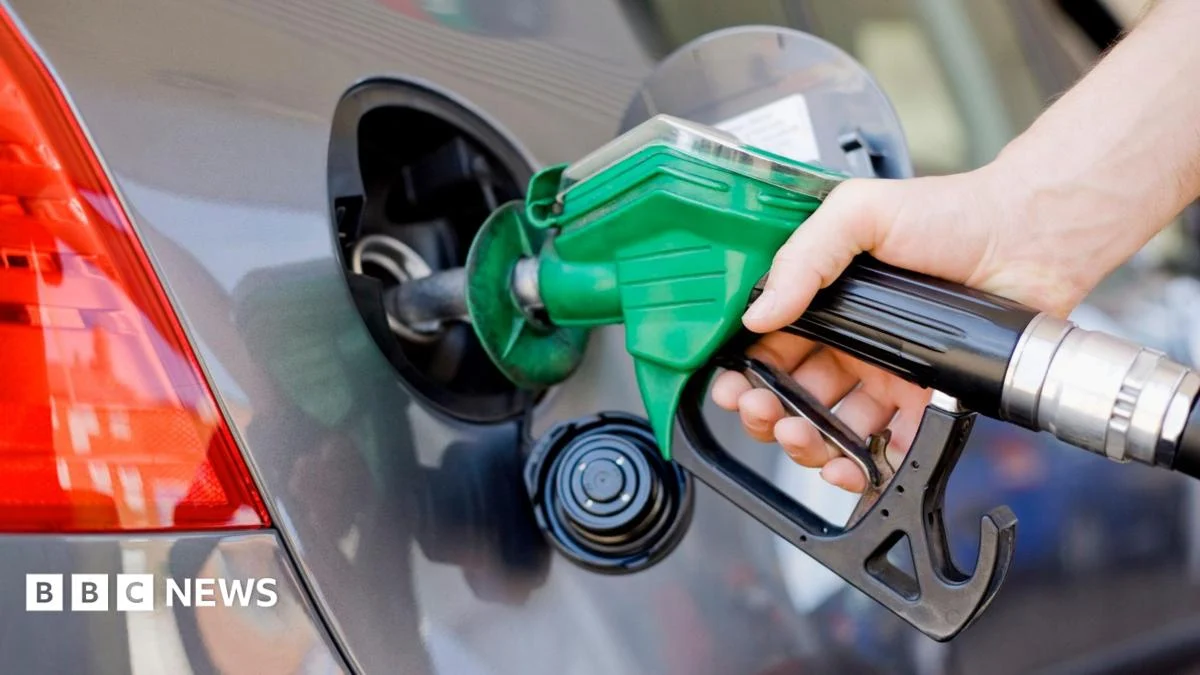
The price of oil has plummeted dramatically, driven by a surge of optimism that a de-escalation of hostilities between the United States and Iran could pave the way for a peaceful resolution to the ongoing conflict. Brent crude, the international benchmark for oil prices, experienced a precipitous decline, at one point shedding over 9% of its value to trade below $88 per barrel. This sharp reversal stands in stark contrast to the preceding week, when Brent crude had surged past the $100 per barrel mark, reflecting escalating geopolitical tensions.
The significant downturn in oil prices was directly catalyzed by pronouncements from the US ambassador to the United Nations, who indicated that attacks targeting Iran had been suspended for a second consecutive night. This deliberate pause, she stated, was intended to "give ‘talks some space’," suggesting a renewed commitment to diplomatic channels. In a reciprocal move, an Iranian army spokesperson confirmed on Sunday that Tehran had also halted its "retaliatory" actions in the region. This mutual cessation of military operations, even if temporary, has injected a potent dose of relief into global energy markets, which had been bracing for further escalation and its attendant disruptions.
The initial outbreak of conflict involving Iran had precipitated a swift and substantial spike in oil prices. The ensuing hostilities led to the effective closure of the Strait of Hormuz, a vital maritime artery through which approximately 20% of the world’s oil and liquefied natural gas (LNG) transit on a daily basis. The disruption of this critical chokepoint sent shockwaves through the global economy, triggering fears of severe supply shortages and fueling inflationary pressures. The economic implications were immediate and far-reaching, impacting not only the energy sector but also a cascade of related industries.
A period of tentative calm had previously been established in June when Iran and the United States reached a memorandum of understanding. This agreement, aimed at halting military operations and reopening the Strait of Hormuz, had a remarkably stabilizing effect on oil prices, pushing them back down to pre-conflict levels of around $70 per barrel. This demonstrated the market’s sensitivity to geopolitical stability in the Persian Gulf and its profound impact on global energy flows. However, the fragile ceasefire collapsed earlier this month, reigniting anxieties surrounding the security of global energy supplies and consequently driving oil prices upward once more.
The renewed surge in oil prices last week, pushing Brent crude above $100 a barrel for the first time since May, was further exacerbated by concerns stemming from attacks on oil tankers in the Red Sea. These assaults, attributed to Houthi militias in Yemen, threatened another crucial export route, one that Saudi Arabia had been utilizing as an alternative to the Strait of Hormuz. This confluence of escalating regional instability and direct threats to shipping infrastructure had created a palpable sense of unease within financial markets, underscoring the vulnerability of global energy supply chains.
Susannah Streeter, chief investment strategist at Wealth Club, offered a measured perspective, noting that markets remain "cautious given the twists and turns during this conflict." She emphasized that despite the sharp decline in crude oil prices, "there is still significant uncertainty baked into these prices and a reticence about whether negotiations will lead to a lasting breakthrough." This sentiment reflects the inherent volatility of geopolitical situations and the market’s tendency to price in potential future disruptions, even in the face of immediate positive developments. The history of this particular conflict is marked by unpredictable shifts, making sustained optimism a difficult stance to maintain.
The impact of the conflict between the US and Iran, particularly its influence on oil prices, has had a direct and tangible effect on the cost of fuels such as petrol and diesel in numerous countries. This rise in energy costs inevitably triggers a ripple effect across the broader economy. Businesses, faced with increased operational expenses, are often compelled to pass these higher costs onto consumers. This translates into elevated prices for a wide array of goods and services, including essential items like food. Consequently, the cost of living increases, and the overall rate of inflation tends to accelerate.
The persistent rise in inflation poses a significant challenge for central banks worldwide. In an effort to curb price increases and maintain economic stability, central monetary authorities may be compelled to implement tighter monetary policies. This typically involves raising interest rates, making borrowing more expensive and aiming to dampen demand within the economy. The European Central Bank, for instance, had previously opted to increase its key interest rate for the eurozone in June, marking its first such hike in nearly three years. At the time of that decision, the bank explicitly cited the conflict as "generating inflation pressures," highlighting the direct link between geopolitical instability and economic consequences.
Prior to the onset of the Iran-related conflict, there had been prevailing expectations that the Bank of England might consider reducing interest rates during the current year. However, the evolving geopolitical landscape and its inflationary implications have significantly altered this outlook. No rate cuts are now anticipated, and financial markets are instead factoring in the possibility of a rate hike towards the latter part of the year. This shift in expectations underscores the profound influence of external shocks, such as international conflicts, on domestic economic policy decisions.
The Bank of England is scheduled to convene for its latest interest rate-setting meeting this week. While no changes are expected to its key interest rate, which is currently anticipated to remain unchanged at 3.75%, the discussions and forward guidance emanating from this meeting will be closely scrutinized by market participants. The central bank’s assessment of current economic conditions, including the ongoing impact of global energy prices and inflationary pressures, will be crucial in shaping expectations for future monetary policy. The delicate balance between fostering economic growth and controlling inflation remains a paramount concern for policymakers navigating this complex global environment. The current pause in attacks, while offering a much-needed reprieve, is viewed as a temporary respite, with the long-term trajectory of oil prices and the broader economic implications remaining subjects of intense speculation and careful observation.



 Roy Suryo

 Nakalama John
 atisusanti
 Ramos Leo
