Roy Suryo
A significant public health initiative is underway in England, offering a vital protection against a potentially deadly disease. Approximately one million young people are now eligible for a free Meningitis B (MenB) vaccine, a crucial measure implemented following a concerning outbreak. This campaign aims to bolster immunity in a demographic identified as being at higher risk, particularly as they transition into new social environments. The urgency of this rollout is underscored by the recent "unprecedented and explosive" outbreak of MenB in Kent earlier this year, which tragically resulted in two deaths and numerous confirmed or suspected cases within a matter of weeks. To date, nearly 90,000 doses of the vaccine have been administered, with an additional 135,000 appointments scheduled in the immediate future, demonstrating the scale and importance of this vaccination drive.

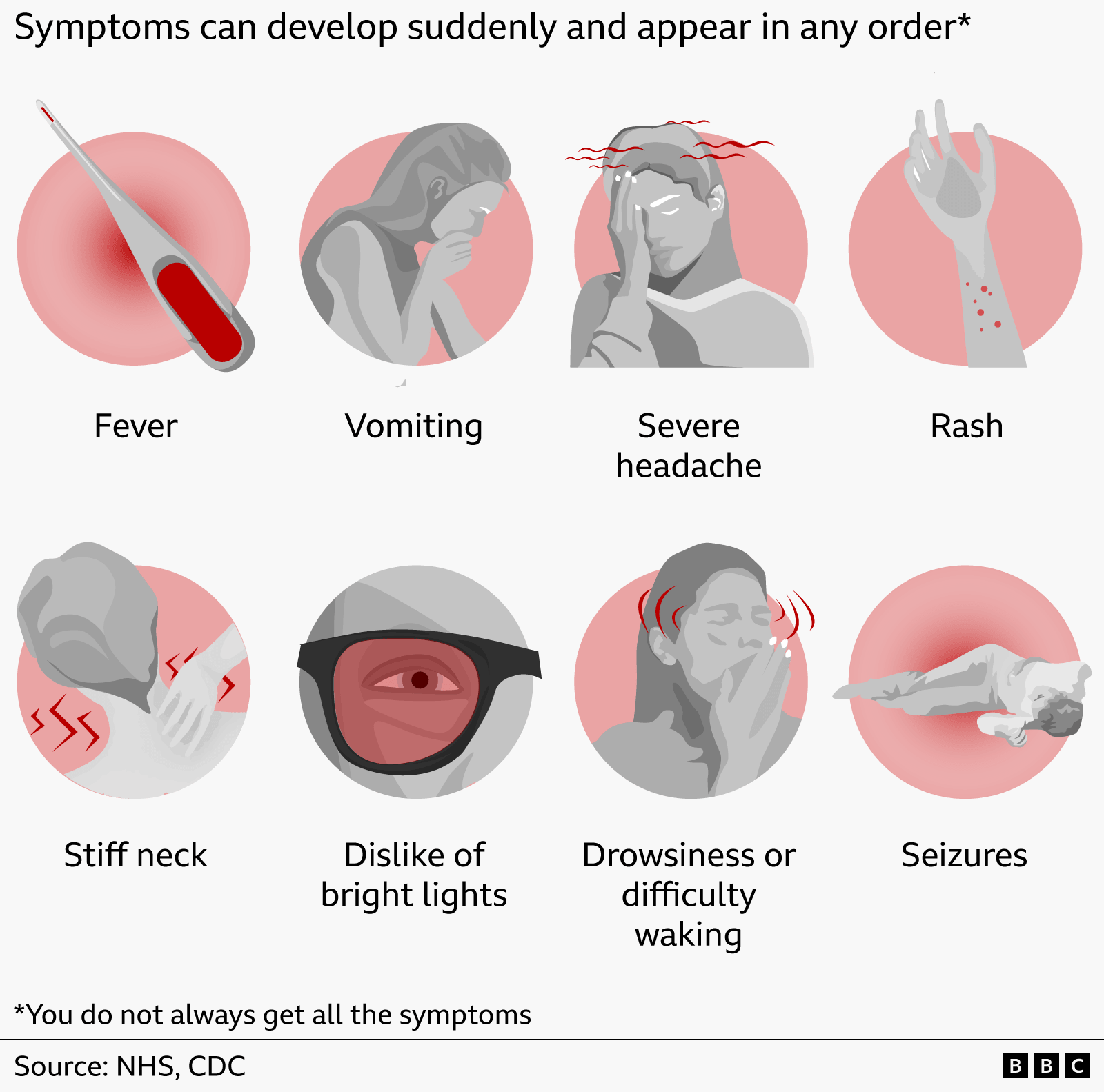
The vaccine in question is specifically designed to protect against Meningitis B, a particularly virulent strain of the bacteria responsible for the recent outbreak. It is important to clarify that this vaccine is safe and cannot cause meningitis, as it does not contain any live bacteria. Like many vaccines, some individuals may experience mild side effects such as swelling, redness, or tenderness at the injection site. Other common, temporary reactions can include a mild fever, nausea, headache, or muscle aches, which typically resolve within one to two days. More serious adverse reactions are exceedingly rare, highlighting the favourable safety profile of the vaccine.
Accessing this essential protection is designed to be as convenient as possible for eligible individuals. In England, appointments can be booked through high street pharmacies. Seventeen and 18-year-olds who are already registered with a GP can secure their vaccination by utilising the NHS National Booking Service. Furthermore, students under the age of 25 who are embarking on their first year at a residential college or university this autumn are also encouraged to contact a participating pharmacy. For those who meet the criteria, a walk-in service is available at select pharmacies. Eligibility for this walk-in service extends to individuals born on or after 21 July 2001 who are entering higher education or residential college for the first time this autumn. Crucially, registration with a GP is not a prerequisite for accessing the walk-in vaccination. A comprehensive list of participating pharmacies can be found via the NHS website. This accessibility is particularly important for international students and those from other parts of the UK (Scotland, Wales, Northern Ireland, the Channel Islands, and the Isle of Man) who will be studying in England, as well as students planning to study abroad.

The MenB vaccine is administered in two doses, with a minimum interval of 28 days between each injection to ensure optimal protection. Full protection is achieved only after both doses have been received. The campaign anticipates that approximately one million young people across England will be eligible for this vaccine. This broad eligibility includes a range of individuals who are either nearing the end of their secondary education or are preparing for higher education.
The rationale behind this proactive vaccination campaign is rooted in scientific understanding of disease transmission and risk factors. Students in their first year of university, according to NHS England, face approximately seven times the risk of contracting meningitis compared to their peers who do not attend university. This heightened risk is attributed to several factors inherent in the university environment. The increased social mixing among large numbers of young people, often living in close proximity in shared accommodation, creates an ideal breeding ground for infectious diseases. Close contact, including activities like kissing, sharing vapes and drinks, and living in shared dormitories, facilitates the rapid spread of bacteria such as those that cause meningitis. The recent outbreak in Kent serves as a stark reminder of the rapid and devastating potential of MenB infections. The campaign’s launch is therefore a targeted intervention to mitigate this elevated risk and prevent similar outbreaks from occurring.

Meningitis B infection is a serious and potentially life-threatening condition. It can lead to severe complications, including inflammation of the membranes surrounding the brain (meningitis) and blood poisoning (sepsis). The consequences of these infections can be devastating and long-lasting, ranging from amputations and hearing loss to permanent brain damage. In the most severe cases, MenB infection can be fatal. Vaccination represents a powerful tool to avert these tragic outcomes and save lives.
The current vaccination programme in the UK has historically focused on younger age groups. The MenB vaccine was integrated into the routine childhood immunisation schedule for babies born after 1 July 2015, meaning that all infants born since that date are offered the jab. However, this has left teenagers and young adults who are currently over the age of 11 without this specific protection. While babies are prioritised due to their higher susceptibility to invasive infections and less developed immune systems, the current campaign acknowledges the increased vulnerability of older teenagers and young adults, particularly those entering higher education. There is ongoing discussion among UK vaccine experts regarding the potential benefits of routinely offering the MenB vaccine to all teenagers around the age of 15. While this broader recommendation awaits government consideration, the immediate focus is on ensuring that all currently eligible individuals receive the available vaccine. It is important to note that while the MenB vaccine is highly effective, research suggests it may not completely prevent transmission or cover all circulating strains, and its long-term protection duration is still being studied. Nevertheless, the current emphasis is on preventing serious illness and saving lives through this targeted vaccination effort. Approximately 10,000 individuals in the Kent region have already received their jabs as part of the response to the recent outbreak, demonstrating the proactive measures being taken.
For those outside of England, different approaches are being implemented. Each nation within the UK has its own vaccination strategy. Generally, individuals completing Year 13 or S6 in the summer of 2026 are eligible, irrespective of their future educational plans, including those not currently in school. Additionally, young people aged 18-25 who are commencing university or moving into residential further education settings for the first time in autumn 2026 are also included in these plans. In Wales, specific invitations will be sent to 17-18 year olds, while those aged 18-25 entering higher education will need to contact their health board later in July for details.
It is important to distinguish MenB from other types of meningitis. Meningitis can be caused by a variety of viruses and bacteria. Viral meningitis typically resolves on its own within a week to ten days and can often be managed at home with rest, pain relief, and anti-sickness medication. Bacterial meningitis, however, is a medical emergency requiring hospital treatment. Outbreaks of bacterial meningitis are thankfully infrequent. Currently, a separate vaccine, the MenACWY vaccine, is routinely offered to 14-year-olds, providing protection against four other common strains of meningococcal bacteria (A, C, W, and Y). This distinction is crucial for understanding the specific threat posed by MenB and the targeted nature of the current vaccination campaign.




 George Anjay
 Nakalama John
 Ramos Leo
 Nana Banana