Nakalama John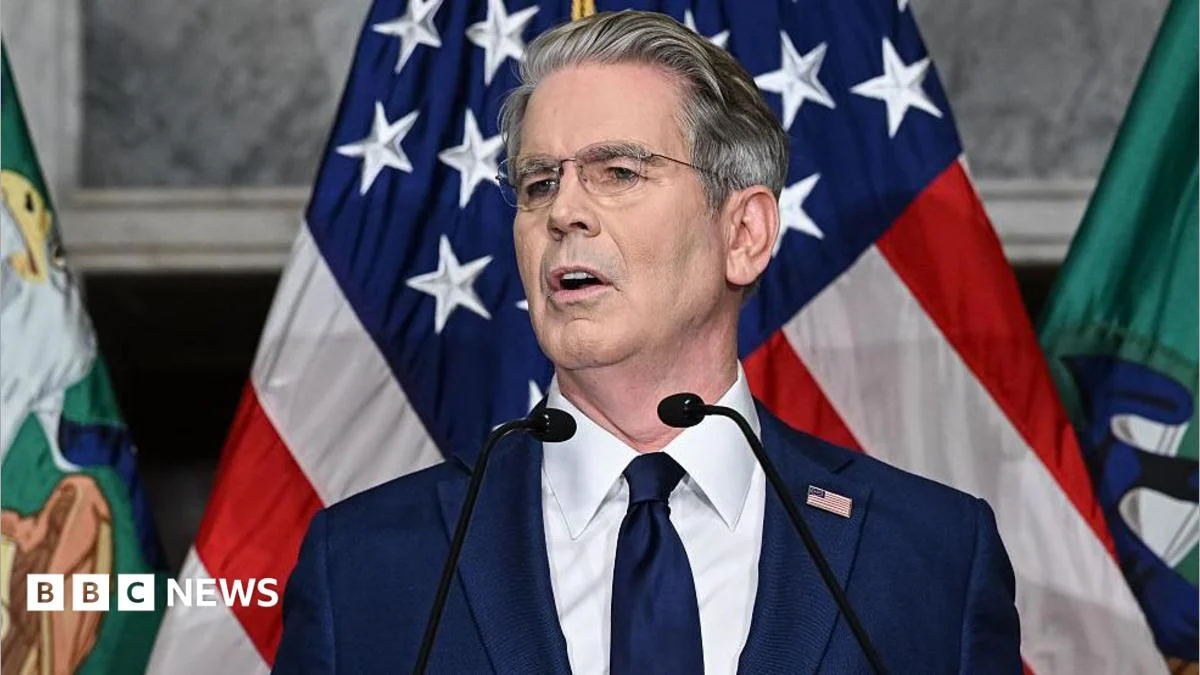
The United States has launched an unprecedented barrage of sanctions against Iran, with Treasury Secretary Scott Bessent declaring it "the single greatest financial offensive ever." Labelling this new strategy an "economic D-Day" for the Islamic Republic, Bessent outlined a scorched-earth policy, promising to sever all economic ties with the country and warning that any nation found financially partnering with Iran would face immediate isolation. This aggressive posture marks a significant escalation in the ongoing conflict, aiming to cripple Iran’s economy and force a change in its regional and international behavior.
This latest, formidable threat to the Iranian regime, however, comes after a series of diplomatic U-turns and extended deadlines from the White House in its efforts to de-escalate the conflict that began at the end of February. These previous attempts to find a resolution have often been characterized by strong rhetoric followed by periods of negotiation or reconsideration, leading some analysts to question the ultimate resolve behind the current pronouncements. The protracted nature of the conflict has already exacted a heavy toll on global markets, particularly driving significant hikes in global oil prices. In a defiant response to the US’s latest move, Iran reiterated its warning that it would shut down all oil exports from the region if the war continued, a move that would send shockwaves through the world economy.
Further escalating tensions, the Iranian regime has also issued a fresh warning to international shipping, stipulating that no vessels should pass through the Strait of Hormuz without its explicit permission, according to Reuters. This narrow, strategic waterway, located south of Iran, is a critical chokepoint through which approximately one-fifth of the world’s total oil and gas supply typically transits. Since the conflict began, the flow through the strait has been effectively blocked or severely hampered by Iran, directly contributing to the upward spiral of global oil prices and raising fears of a full-blown energy crisis. The implications of a complete closure would be catastrophic, disrupting supply chains, exacerbating inflation, and potentially plunging the global economy into a deep recession.
At a press conference held on Monday to unveil what has been ominously dubbed "Operation Economic Outcast," Secretary Bessent elaborated on the US strategy, asserting that America was initiating an "economic onslaught against Iran’s financial connections around the globe." He presented Iran with a stark ultimatum: "Iran now faces a very clear choice with only two paths before them: complete global isolation….or a path back to normalcy with an opportunity to rejoin the global economy." This declaration signifies a strategic pivot for the US, moving from a policy of containment to one of outright economic strangulation. Bessent emphasized this shift, claiming that America was "no longer managing the Iranian threat, we are ending it." This rhetoric suggests a determination to dismantle the very economic foundations of the Iranian regime, rather than merely constrain its activities.
To achieve this ambitious goal, Bessent revealed that the Treasury Department had meticulously mapped out the intricate networks, facilitators, and financial channels meticulously employed by Iran to evade existing sanctions and continue its illicit oil trade. This intelligence-driven approach aims to plug every loophole and eliminate every avenue of revenue generation for Tehran. The department has consequently issued broad determinations against five critical sectors identified as key to Iran’s economic survival and illicit activities: digital assets, technology, gold, aviation, and shipping. These sectors are often exploited by sanctioned entities for money laundering, procurement of prohibited goods, and the movement of funds and personnel.
Specifically, the targeting of digital assets underscores the US’s recognition of cryptocurrencies and other digital financial instruments as emerging tools for sanctions evasion. By cracking down on this sector, Washington aims to prevent Iran from leveraging the anonymity and borderless nature of digital currencies to circumvent traditional banking restrictions. Sanctions on technology aim to cut off Iran’s access to components and expertise vital for its military, nuclear, and missile programs. Gold, a traditional store of value and easily transportable asset, has long been used by sanctioned regimes to move wealth and conduct transactions outside the conventional financial system. By targeting aviation and shipping, the US seeks to paralyze Iran’s ability to transport oil, goods, and personnel, effectively isolating the country physically and economically.
In addition to these sectoral determinations, the Treasury has also imposed targeted sanctions on almost 60 specific entities, individuals, and vessels directly linked to Iran’s illicit financial activities and its Islamic Revolutionary Guard Corps (IRGC). These entities often include front companies, financial institutions, and shipping companies that facilitate the flow of funds and goods on behalf of the regime. Bessent stated unequivocally that such comprehensive actions would "tighten the noose and block every potential source of revenue" for Iran’s Islamic Revolutionary Guard Corps and the wider Iranian regime, aiming to cut off the financial lifeline that sustains its operations and influence. The IRGC, a powerful military and economic force within Iran, controls vast swathes of the country’s economy and is instrumental in its regional proxy activities.
In a stern warning directed at governments and private entities worldwide that might be assisting or trading with Iran, Bessent cautioned that they could not "claim they are blind to enabling this activity." This statement implies a heightened expectation of due diligence and a clear threat of secondary sanctions for those found in violation. He declined to highlight specific countries publicly, but revealed that President Trump himself would be directly phoning world leaders "with specific requests to cease their interactions with the regime." These requests are expected to range from urging nations to halt their purchases of Iranian oil to demanding that financial institutions sever all ties with sanctioned Iranian entities. While acknowledging the importance of giving people time to comprehend and adjust to the new, sweeping sanctions, Bessent added a note of urgency and resolve: "they should know that that will move very quickly and that we are serious."
The current tough stance stands in stark contrast to previous instances of diplomatic maneuvering. Over the course of the conflict so far, prior threats have included President Trump’s dramatic declaration in April that "a whole civilisation will die tonight" unless Iran agreed to a deal to end the war and unblock the Strait of Hormuz. That particular high-stakes ultimatum eventually saw the US climb down from its position after mediator Pakistan intervened and called for more diplomacy, highlighting the complexities and international pressures involved in managing the crisis. Pakistan’s role as a regional power with ties to both the US and Iran made it a crucial intermediary, advocating for de-escalation and a diplomatic path forward, which ultimately prevented a potentially devastating military confrontation at that time.
The economic impact of the Iran war is already being acutely felt not only in the US but across the globe. Higher oil prices, a direct consequence of the instability and restrictions on the Strait of Hormuz, have fueled widespread concerns over the escalating cost of living, with petrol and diesel prices reaching significantly higher levels than they were a year ago. In the United States, gasoline prices have surged past $4 a gallon in many areas, transforming affordability into one of the top concerns for American voters ahead of the crucial mid-term elections in November. The economic hardship caused by soaring energy costs and general inflation poses a significant political challenge for the incumbent administration.
On Monday, a barrel of Brent crude, the global benchmark for oil prices, stood at $92, reflecting the continued market anxiety and supply constraints exacerbated by the conflict. This price point, while not record-breaking, contributes significantly to inflationary pressures worldwide. Just last week, Secretary Bessent had also announced that the US government would intervene in the bond markets and buy back more government debt in a bid to boost demand for bonds and lower borrowing rates, an attempt to stabilize the domestic economy. However, the impact of that announcement was short-lived, with long-term borrowing costs bouncing back up a day later, underscoring the broader economic fragility and the powerful influence of geopolitical events like the ongoing conflict with Iran on global financial markets. The effectiveness of any domestic economic policy is inevitably tempered by the volatile international landscape shaped by such significant confrontations.




 Roy Suryo
 George Anjay
 Ramos Leo