George Anjay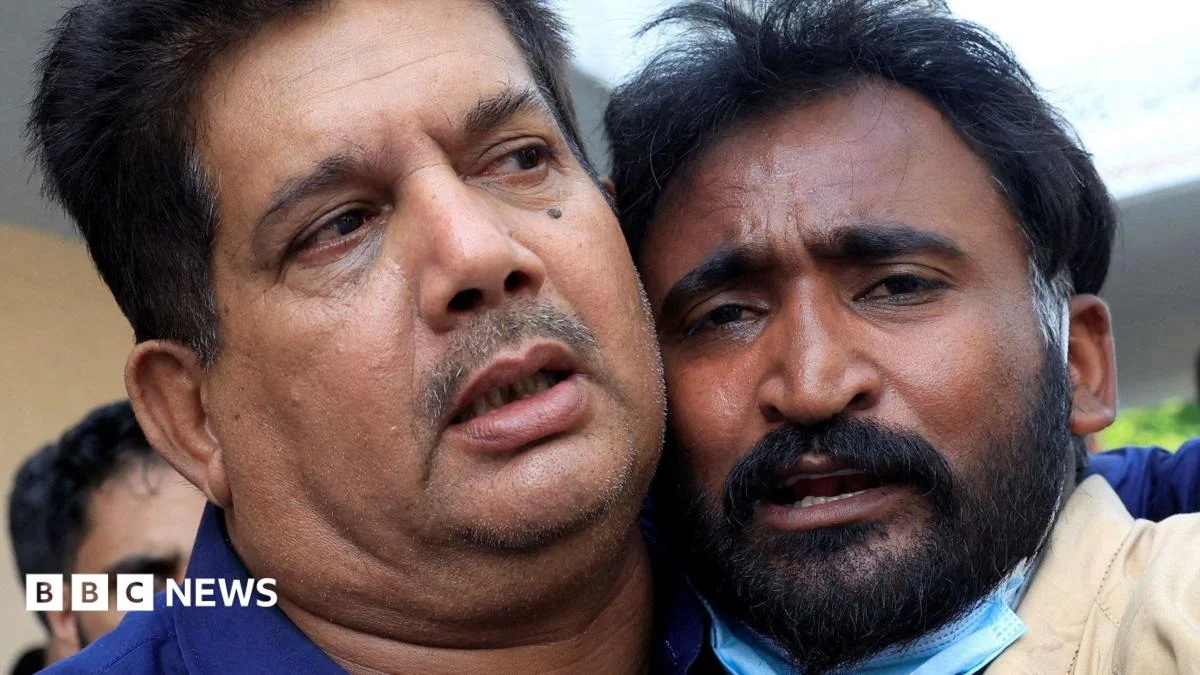
A devastating inferno ripped through a maternity ward at Pakistan’s premier state-run hospital in the capital, Islamabad, just after dawn on Wednesday, claiming the lives of 14 infants. Parents recount harrowing tales of an agonizing wait for rescue, with some claiming hours passed before help arrived, leaving them to witness unimaginable tragedy. The blaze, which investigators believe originated from an air-conditioning unit on the third floor of the mother and child unit at the Pakistan Institute of Medical Sciences (PIMS), turned a place of new beginnings into a scene of unspeakable loss. Of the 15 precious lives in the ward at the time, only one was miraculously saved.
Hivsa Walid, a visitor at the hospital, was near the affected ward accompanying her sister-in-law, who had given birth just days prior. The initial sounds of alarm, mistaken for a patient’s passing, quickly escalated into the terrifying realization of a fire as smoke began to fill the corridors. In a desperate act of maternal instinct, Walid and her sister-in-law fled with their newborn, a tiny infant still unnamed, leaving behind all their possessions. "We didn’t even think about our belongings. We just grabbed the baby and rushed downstairs," Walid recounted, her voice trembling with the memory. "Some patients had delivered their babies just that night. I don’t even know how we managed to get down – it was all a blur." This desperate escape highlights the sheer panic and chaos that engulfed the ward as the fire spread with alarming speed.
The PIMS hospital, a cornerstone of healthcare in Islamabad, was plunged into a state of emergency as the magnitude of the disaster became apparent. The loss of 14 innocent lives has sent shockwaves across the nation, prompting urgent calls for accountability and a thorough investigation into the circumstances surrounding the fire and the alleged delays in rescue efforts.
Khurram Mehmood, 40, a grieving father who lost his three-day-old daughter in the tragedy, shared his profound anguish with the AFP news agency. He corroborated claims of a significant delay in the arrival of rescue workers, a delay that proved fatal for his child and many others. "I lost my daughter. She was only three days old," he stated, his voice choked with emotion. His account paints a grim picture of helplessness and despair as parents were left to confront the encroaching flames with limited means of escape.
Adding to the horrific narrative, Jaweria, the mother of another infant victim, revealed a deeply disturbing detail: the door to the maternity ward was allegedly locked. This claim, if proven true, raises grave questions about the safety protocols and emergency preparedness within the hospital. "For two hours I kept crying and wailing," she told AFP. "Police arrived after four hours and said they are here to investigate." Her raw grief and anger were palpable as she questioned the actions of the hospital staff. "Why did the doctors leave the children there?" she cried out. "To hell with you, rescue team and police. Babies burnt to death there, but nobody could save them." Her impassioned plea underscores the profound sense of abandonment and betrayal felt by the families who entrusted their most precious loved ones to the care of the hospital.
However, in a statement to the BBC, Rana Imran Sikander, the hospital’s executive director, offered a different perspective on the locked door. He asserted that the ward’s door was not locked but was manned, citing the necessity of security to prevent infant abduction, an unfortunate occurrence that has been reported at government hospitals in the past. This explanation, while addressing a potential security concern, has done little to assuage the anger and grief of the bereaved parents who question the prioritization of security over immediate evacuation in a life-threatening emergency.
Further contradicting the accounts of delayed response, Islamabad’s Chief Commissioner Sohail Ashraf stated, according to AFP, that rescue teams reached the scene "immediately" after the emergency call was made. This discrepancy between witness testimonies and official statements fuels the ongoing debate and investigation into the response time and effectiveness of the emergency services.
PIMS, a sprawling institution with 156 beds in its maternal and child health unit, is one of the largest hospitals in Pakistan’s capital. Its prominence makes the scale of this tragedy all the more shocking and raises serious questions about the safety standards maintained within such critical public facilities.
The devastating fire at PIMS is not an isolated incident in Pakistan’s recent history. The nation has grappled with a disturbing number of major fires in recent years, with a recurring theme of inadequate safety laws, lax enforcement of building codes, and poor infrastructure often cited as the primary culprits behind high fatality rates. The memory of a fire that claimed dozens of lives at a Karachi shopping mall in January of this year still lingers, with survivors of that incident also pointing to locked exits as a significant factor contributing to the catastrophic loss of life.
In response to the PIMS tragedy, Prime Minister Shehbaz Sharif has expressed his "deep sorrow and heartfelt regret." In a statement released by his office, he has mandated an "immediate investigation" into the incident and has taken decisive action by suspending Federal Health Secretary Aslam Ghauri, a senior official within the health department. The Prime Minister’s office emphasized the irreparable nature of such a loss, stating, "Such a situation with children is irreparable." This swift action signals the government’s acknowledgment of the severity of the incident and its commitment to uncovering the truth and implementing measures to prevent future catastrophes.
The investigation will undoubtedly focus on a multitude of factors, including the exact cause of the fire, the maintenance and safety protocols of the air-conditioning unit, the emergency evacuation procedures in place at the maternity ward, the response time of the fire brigade and other emergency services, and the alleged locking of the ward door. The testimonies of the distraught parents, the accounts of survivors like Hivsa Walid, and the official statements will all be crucial in piecing together the events of that fateful morning. The nation now waits with bated breath for the findings of the investigation, hoping for answers, accountability, and, most importantly, assurances that such a heart-wrenching tragedy will never be repeated. The loss of 14 innocent lives is a stark reminder of the urgent need for robust safety standards and stringent enforcement across all public facilities in Pakistan, especially those that cater to the most vulnerable members of society.




 Roy Suryo
 Nakalama John
 atisusanti
 Ramos Leo