
 George Anjay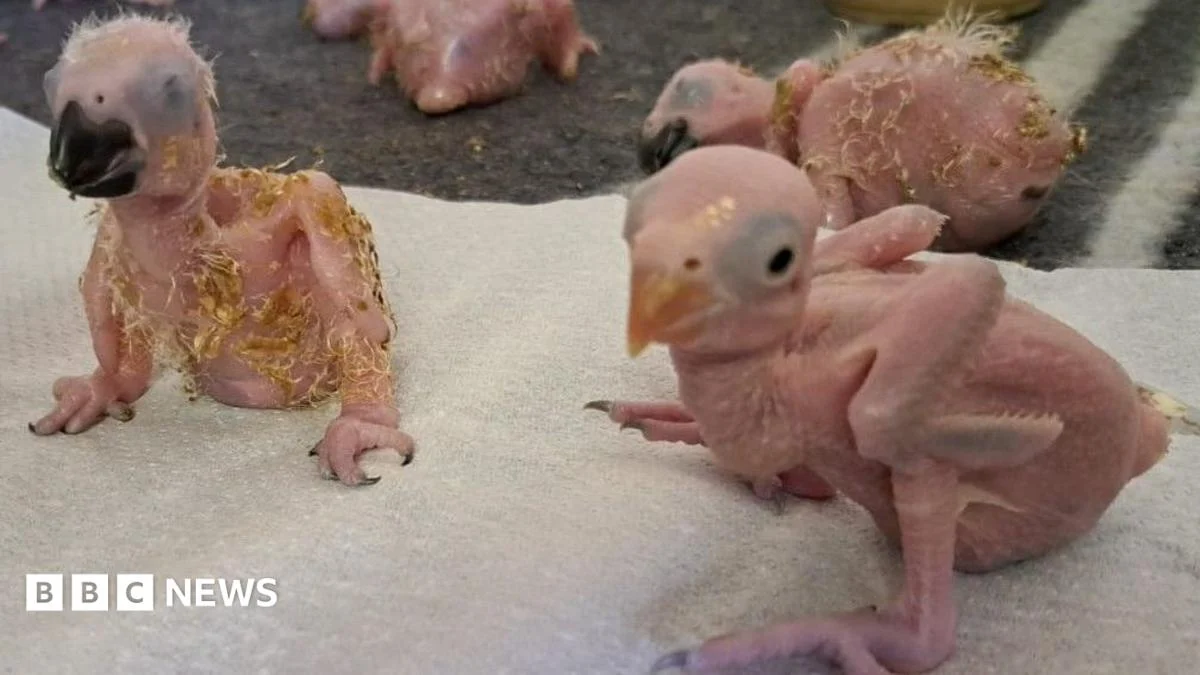
Fifty precious eggs, believed to be those of endangered parrot species, have successfully hatched at a specialized facility in South Africa after a dramatic interception at Johannesburg’s O.R. Tambo International Airport. The discovery and subsequent hatching represent a significant victory in the ongoing battle against sophisticated transnational wildlife trafficking networks. The arrest of a 50-year-old Thai national last Thursday, who was allegedly attempting to smuggle the eggs in a discreet, "homemade incubator bag" concealed within his hand luggage, has brought the insidious nature of this illegal trade into sharp focus. Officials from the Department of Forestry, Fisheries and the Environment (DFFE) confirmed that many of the rescued eggs have beaten the odds and hatched, with the vulnerable chicks now receiving intensive round-the-clock care to maximize their chances of survival. This successful intervention underscores the critical role of vigilant law enforcement and dedicated conservation efforts in protecting some of the world’s most vulnerable species.
The arrested individual, whose identity has not been released, now faces severe penalties should he be convicted of wildlife trafficking. The potential repercussions are substantial, including a hefty fine of up to R10 million (approximately $626,000 USD or £461,000 GBP), or imprisonment for a period of up to 10 years, or a combination of both. These stringent penalties serve as a stark warning to those who engage in the illicit trade of endangered wildlife, highlighting the severe legal consequences associated with such criminal activities. Preliminary investigations into the seized eggs strongly suggest they belong to parrot species that are meticulously protected under the Convention on International Trade in Endangered Species of Wild Fauna and Flora (CITES), an international agreement that regulates and restricts the trade of endangered species. This classification further elevates the seriousness of the alleged smuggling attempt, as it directly contravenes international conservation protocols designed to safeguard these vulnerable populations.
The successful apprehension of the suspect was the culmination of a meticulously planned and executed joint operation. This collaborative effort involved a diverse range of specialized agencies, demonstrating a united front against environmental crime. The Department of Forestry, Fisheries and the Environment (DFFE) worked in close concert with the Green Scorpions, a highly trained and specialized environmental enforcement unit renowned for its dedication to combating illegal activities that harm the natural environment. Crucial support and operational expertise were also provided by various divisions of the South African Police Service (SAPS), whose intelligence-gathering capabilities and on-the-ground presence were instrumental in the operation’s success. The seamless coordination between these entities is a testament to the evolving and increasingly effective strategies employed by South African authorities to combat wildlife crime.
The nation’s commitment to protecting its rich biodiversity was eloquently articulated by Environment Minister David Maynier. He extended his sincere congratulations to all the agencies and individuals involved in this critical operation, emphasizing the interconnectedness of conservation efforts. "Illegal wildlife trafficking can only be challenged by a co-ordinated defence of our natural heritage," Minister Maynier stated, underscoring the necessity of a unified approach. He specifically lauded the tireless dedication and expertise of the staff at the National Zoological Garden in Pretoria, the nation’s capital. These dedicated professionals have been working around the clock, meticulously incubating the seized eggs and providing specialized, high-level care to the delicate hatchlings. Their commitment is crucial in ensuring that these young birds, who have already faced immense peril, have the best possible chance of thriving. The zoo’s role in this rescue mission highlights the vital partnerships between government departments and conservation institutions in safeguarding endangered species.
This recent success story at O.R. Tambo International Airport is not an isolated incident, sadly highlighting a disturbing trend. It follows a similar, albeit larger, seizure just months prior. In July, a 23-year-old Thai citizen was also apprehended at the same airport, attempting to smuggle an astonishing 418 parrot eggs. This pattern of arrests, involving individuals from the same region and targeting the same vulnerable species, strongly suggests the involvement of organized, transnational criminal networks operating with a disturbing level of sophistication. The DFFE has unequivocally stated that these repeated arrests reinforce the paramount importance of "co-ordinated, intelligence-led law enforcement efforts." Such strategies are crucial for dismantling the complex structures that facilitate this illegal trade and for disrupting the supply chains that fuel the demand for endangered species on the international black market.
The illegal collection and trafficking of parrot eggs, as evidenced by these seizures, pose a profound and multifaceted threat to wild bird populations and animal welfare. The very act of removing eggs from their natural habitats disrupts breeding cycles and can have devastating long-term consequences for wild populations, pushing already vulnerable species closer to the brink of extinction. Furthermore, the methods employed in smuggling are often inhumane and extremely detrimental to the developing embryos and hatchlings. Officials have explained that these eggs are frequently transported in improvised incubators, often lacking the precise temperature, humidity, and hygiene controls essential for successful development. The conditions are frequently perilous, leading to high mortality rates among embryos and newly hatched chicks, underscoring the cruelty inherent in this illicit trade.
South Africa, recognized globally as one of the world’s most biodiverse nations, continues to grapple with the persistent and pervasive threat of wildlife trafficking. This criminal enterprise often targets iconic and highly sought-after animals such as elephants, rhinoceroses, and pangolins, whose body parts and live specimens are highly valued on the international black market. The economic incentives driving these criminal networks are immense, leading to ruthless exploitation of natural resources and severe ecological damage. In response to this escalating crisis, South Africa adopted a comprehensive new strategy approximately six years ago. This forward-thinking approach emphasizes strengthening collaboration and fostering robust partnerships between a wide array of stakeholders. These include government institutions, dedicated law enforcement agencies, specialized conservation authorities, vigilant customs officials, diligent prosecutors, and crucial international partners. The overarching goal of this integrated strategy is to dismantle the sophisticated criminal networks involved in the illicit wildlife trade and to bring perpetrators to justice. The recent hatching of the parrot eggs serves as a small but significant beacon of hope, demonstrating that these concerted efforts, when executed effectively, can yield tangible positive outcomes in the fight to protect our planet’s precious natural heritage.




 Roy Suryo

 Nakalama John
 atisusanti
 Ramos Leo
