Roy Suryo
Festival season is in full swing, with the highly anticipated Reading and Leeds festivals gracing the calendar this weekend. As revellers prepare to immerse themselves in music and merriment, the focus shifts to perfecting that quintessential festival aesthetic. This year, the trends are bold and unashamedly vibrant: think electrifying graphic eyeliners, intensely pigmented vampy lips, and dazzling holographic highlighters that capture the spotlight. However, amidst the excitement of embracing these statement looks, a crucial warning has emerged from the Chartered Trading Standards Institute. They are alerting consumers to the potential presence of a cocktail of toxic chemicals in some of the very make-up products being peddled by third-party sellers on popular online marketplaces such as TikTok Shop. This guide aims to equip you with the knowledge to navigate the festival beauty landscape safely, ensuring your commitment to dazzling festival glam doesn’t come at the expense of your well-being.
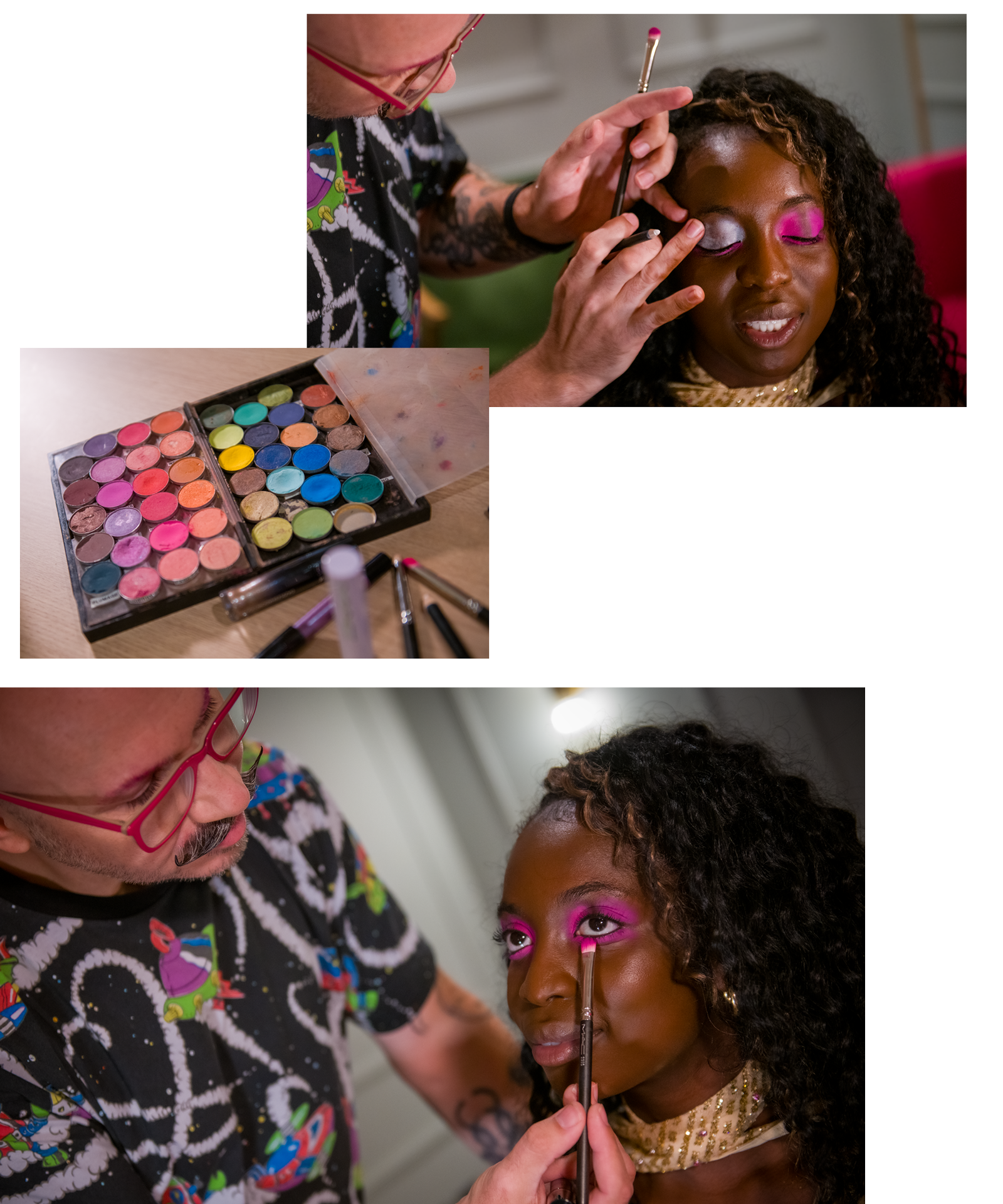
To make your eyes truly pop and command attention, the strategy is all about building intensity. Dominic Skinner, a renowned make-up artist and a discerning judge on the hit BBC show Glow Up, demonstrated a foolproof technique at the BBC’s London offices. His secret to achieving a look that’s not only eye-catching but also resilient enough to withstand the demands of dancing and partying all night? Start with a base of white eye pencil directly on the skin. This creates a brilliant canvas, allowing vibrant eyeshadows pressed on top to achieve unparalleled intensity. "It will make bold colours more intense, and last all night," Skinner affirms, highlighting the transformative power of this simple prep step.
Beyond the application technique, vigilance regarding product ingredients is paramount. The Chartered Trading Standards Institute warns that banned ingredients can lead to severe rashes and distressing allergic reactions. Therefore, a diligent check of product labels is essential. Steer clear of any products explicitly stating they are "not for cosmetic use," even if they appear suitable for skin application. Particular attention should be paid to identifying banned colourants, such as Solvent Yellow 172, CI 45161 (Basic Red 1:1), and CI 45174 (Basic Violet 11:1), which pose significant health risks.
Skinner further advises caution when sourcing products, particularly from unfamiliar sellers or those offering unusually cheap alternatives. He notes that some products designed to be UV reflective, glow-in-the-dark, or neon, even if marketed by cosmetic brands, can be subtly labelled as "non-cosmetic paint." This labelling loophole can be a way to circumvent stricter cosmetic regulations, potentially exposing users to harmful substances.
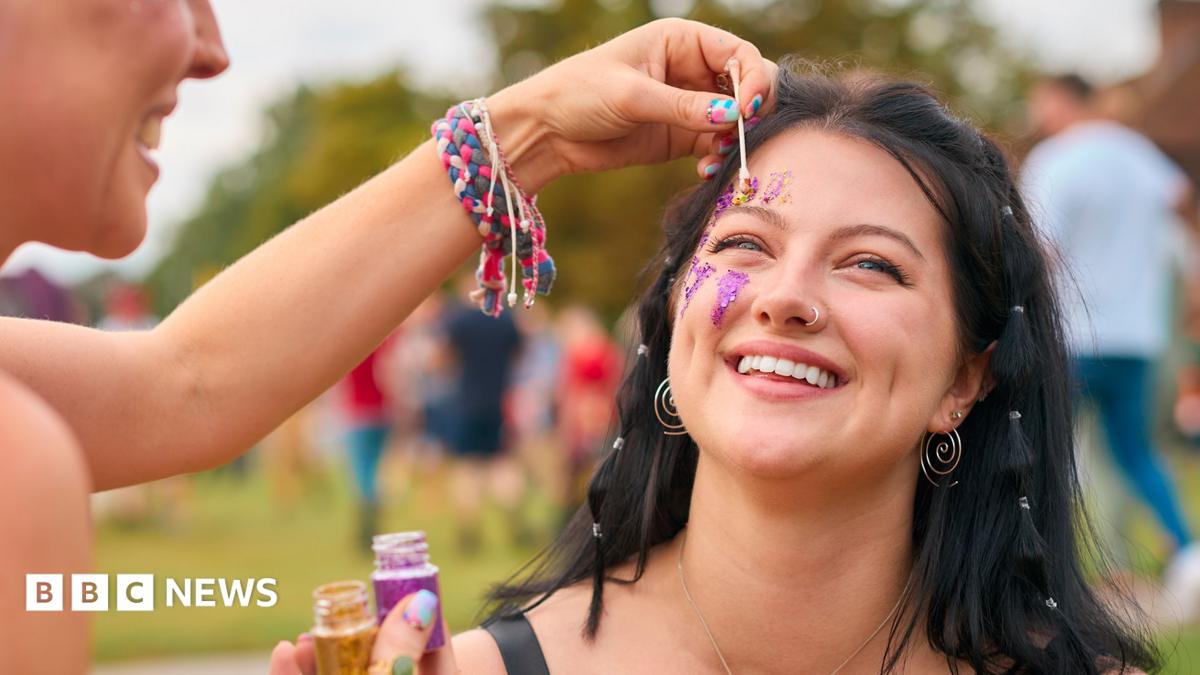
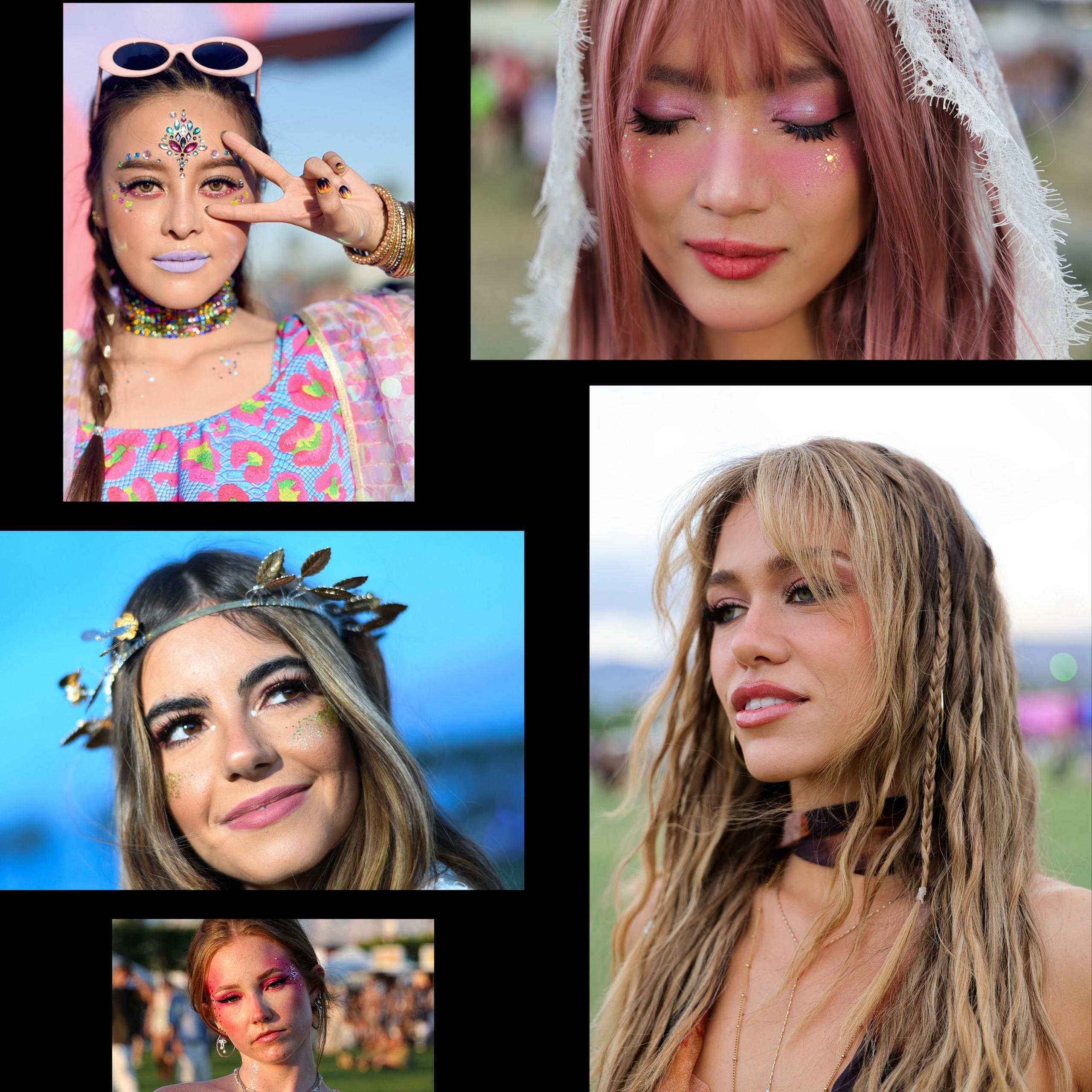
This festival season, the "Fairycore" aesthetic is making a significant impact, bringing with it an abundance of sparkles, face gems, and glitter. Skinner champions this trend, urging festival-goers to move away from subtlety. "The ‘no make-up look’ is gone. Clean girl is out!" he declares, encouraging a return to playful, childlike expressions of beauty. He envisions festival make-up as an opportunity for uninhibited creativity, embracing whimsical colours and sparkling crystals. For an even more impactful statement, Skinner suggests applying glitter not just to the face but also strategically within hair partings or across the shoulders. His personal preference leans towards using gems, citing their larger, more impactful presence and the added bonus of being easily removable and reusable. "Personally, I say use gems as they’re bigger and more impactful, plus you can peel them off at the end of night and reuse them in the morning," he shares.
However, when it comes to glitter, safety is a non-negotiable consideration. Dr. Emma Wedgeworth, from the British Skin Foundation, strongly advises against applying glitter near the eyes to prevent potential corneal abrasions. She also emphatically states that craft glitter should never be used on the skin due to its sharp edges and potentially harmful composition. The recommended alternative is to opt for biodegradable, eco-friendly glitter options that are not only better for the environment but also gentler on the skin. For secure application, safe adhesives such as lash glue are the preferred choice.
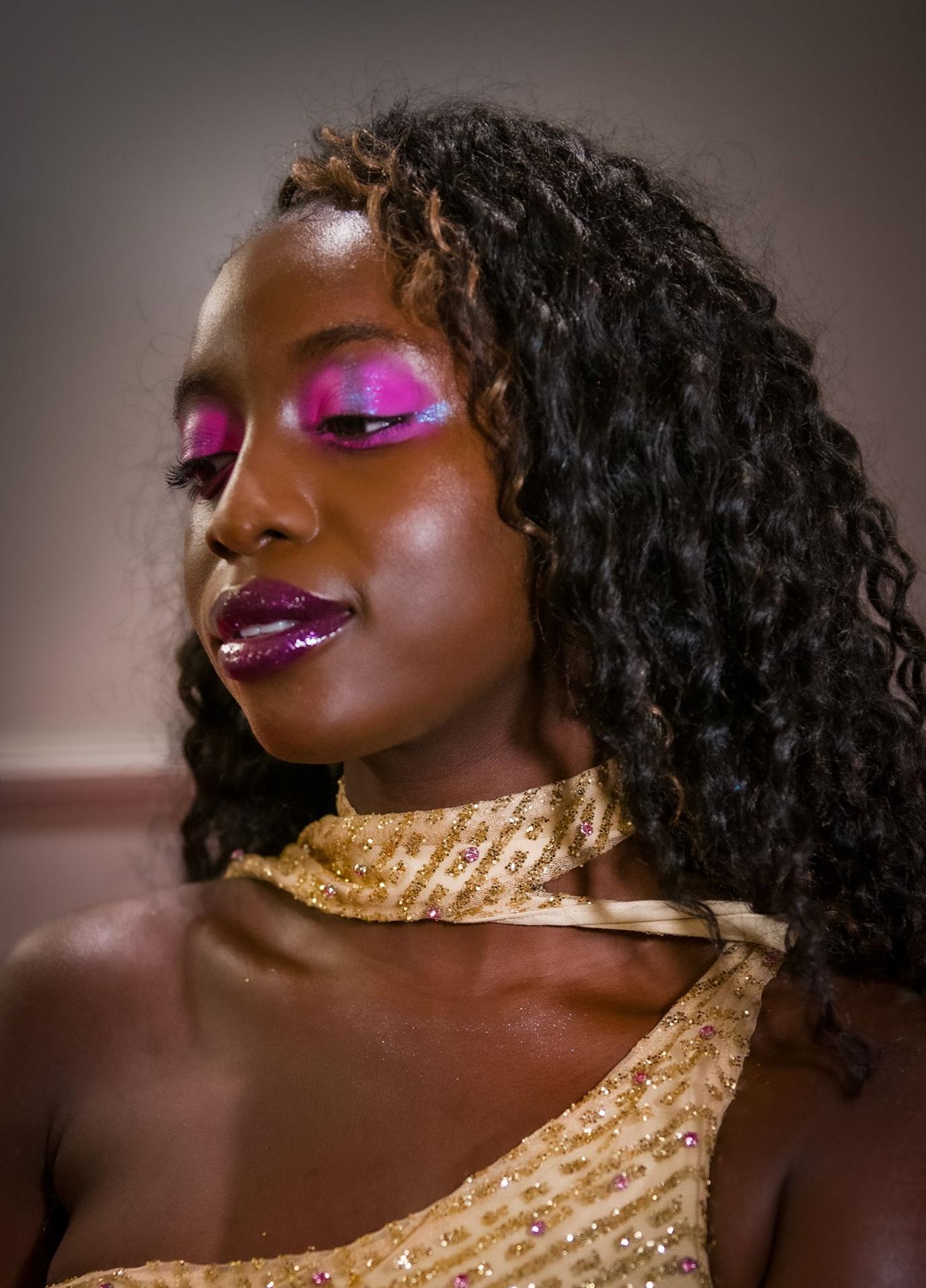
The trend for lips this festival season is a departure from the usual summer-friendly pinks and peaches, embracing a more dramatic and alluring "vampy" aesthetic. Vogue’s predictions for 2026 highlight the emergence of "juicy and blurred lips" that prioritise texture over colour, often achieved with stains and glosses for a "your-lips-but-better" effect. InStyle magazine echoes this sentiment, recommending dramatic, dark red vampy lips as a bold statement. Skinner’s practical advice for achieving a long-lasting vampy lip? "You can do some drinking, you can do some snogging," he quips, advocating for the use of liquid lip products, which are renowned for their staying power. His unconventional tip for liner application? "And he says leave that lip liner until last – it’ll just ‘highlight how wonky your drawing skills are’. Colour first, liner later," he advises, suggesting that applying the colour first provides a more forgiving base for any liner imperfections.
Crucially, personal hygiene should remain a top priority, even amidst the festival revelry. To prevent the spread of infections such as cold sores, it is vital to avoid sharing lip balm or lipstick. "Cross-contamination is real, and why make-up artists sanitise everything in between clients," Skinner emphasizes.
No festival look is complete without protecting your skin from the sun’s harmful rays. Dr. Wedgeworth stresses the importance of applying a high-protection sunscreen, at least SPF 30, as a primer before any make-up. This creates a protective barrier that allows the make-up to adhere better and last longer. Skinner further recommends using a matte or sweat-proof SPF to enhance the longevity of your festival make-up. Regular reapplication is key; he advises reapplying sunscreen at least every two hours, paying particular attention to the hairline and any hair partings to safeguard the scalp. While sunscreen sprays offer convenience for layering over make-up, Dr. Wedgeworth notes they can be challenging to apply thickly enough for adequate protection. Therefore, she suggests taking regular shade breaks and utilising a wide-brimmed hat for an extra layer of defence.
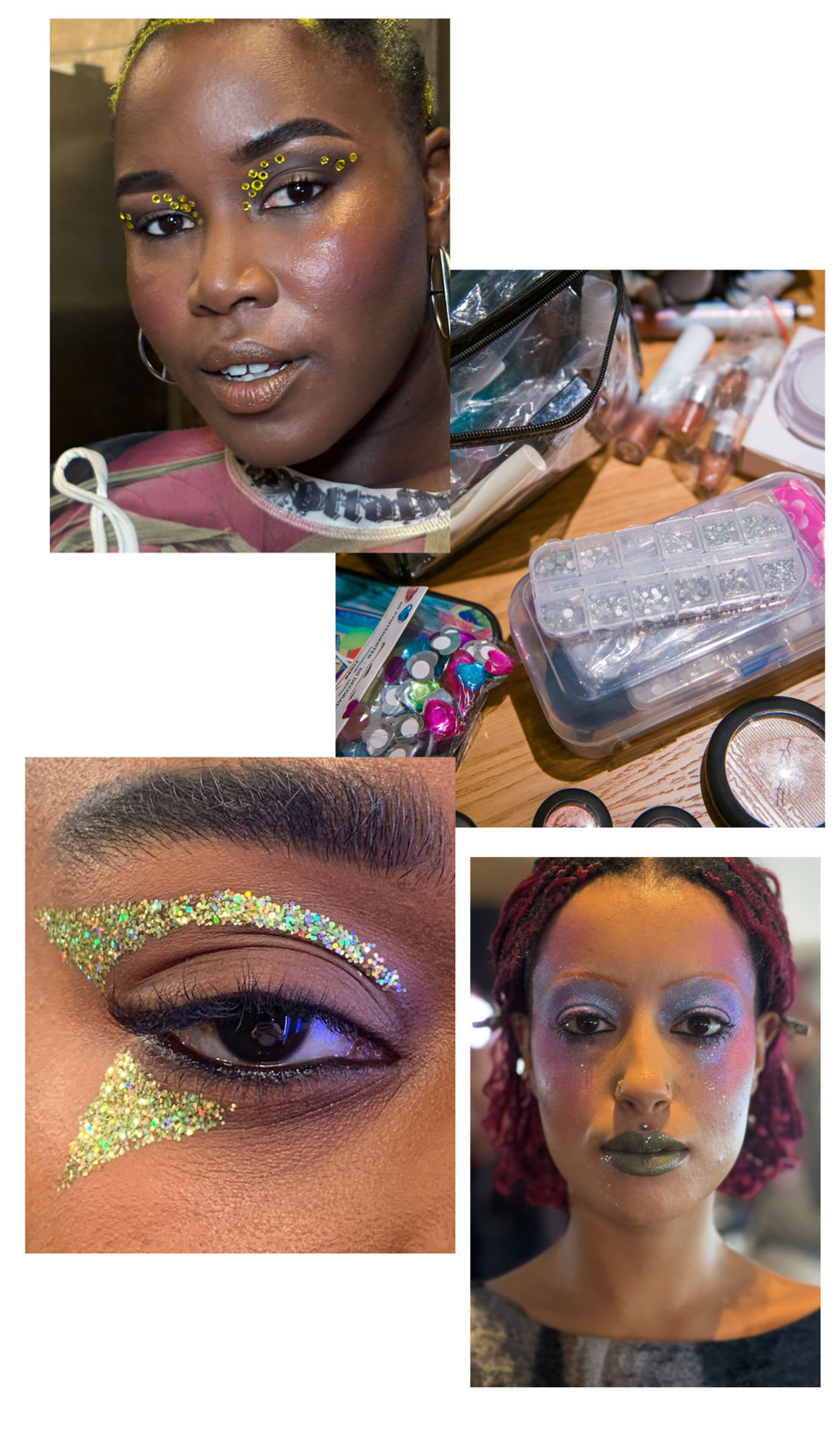
When it comes to festival hairstyles that are built to last through energetic sets and long days, accessories are your best friend. Who, What, Wear suggests incorporating elements like scarves, crochet beanie caps, or eye-catching hair clips, charms, and cuffs to elevate your look. InStyle offers a more hair-centric approach, recommending mermaid waves or delicate baby braids for those with longer hair.
A word of caution regarding hair colour transformations: if opting for a spray or dye, it is imperative to conduct a patch test beforehand to rule out any potential allergies. Dr. Wedgeworth advises applying a small amount behind the ear or on the arm and waiting 24 to 48 hours to monitor for any adverse reactions. Skinner, ever the pragmatist, reminds festival-goers that many stunning festival looks can be achieved with products already in their make-up bags. "You just have to think creatively about how to play with it," he concludes, encouraging a playful and innovative approach to festival beauty.




 Nakalama John
 George Anjay
 Ramos Leo
 atisusanti