
 Ramos Leo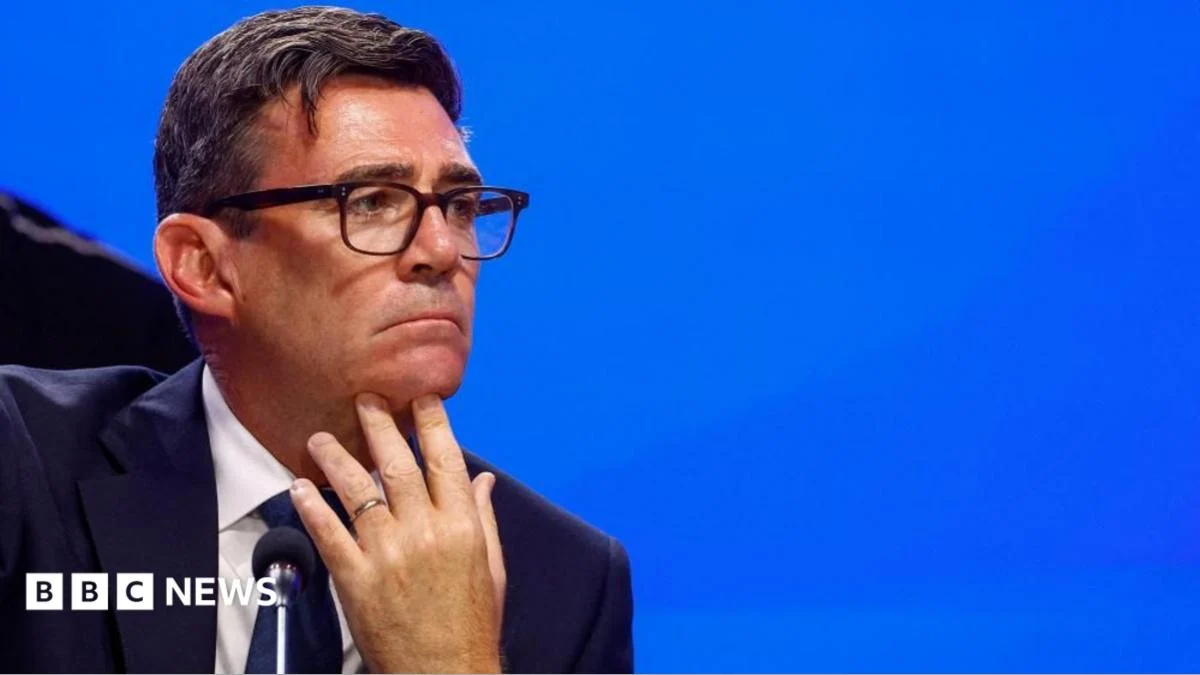
The proposed legislation, identical in its wording and intent to a bill introduced last year, seeks to establish a legal framework for assisted dying. That previous iteration successfully navigated the House of Commons, securing a comfortable majority, but ultimately foundered in the House of Lords. Its demise in the upper chamber was attributed to an unprecedented volume of amendments, largely from opponents of the bill, which effectively consumed all available parliamentary time, preventing its progression. This history underscores the contentious nature of the issue and the determined opposition it faces.
Burnham articulated his stance by acknowledging his "own personal views on the issue," but firmly asserted that the matter was "a matter for Parliament to decide." This position marks a clear departure from Sir Keir Starmer, who, during his tenure as Prime Minister, cast a vote in favour of the previous bill. While Starmer did not actively campaign for or against the legislation, maintaining an official neutrality in public discourse, his vote clearly indicated his personal support for the proposed changes. Burnham’s abstention, therefore, signals a more hands-off approach from the nation’s leader on this morally charged subject.
In a comprehensive letter dispatched to Labour MPs on Friday, Burnham elaborated on his rationale. He wrote, "My role, as the prime minister, will be to lead a government that implements the will of Parliament in this area — whether that is to change the law or not." This statement highlights his commitment to upholding the democratic process and respecting the collective decision of elected representatives, rather than imposing a personal viewpoint from the apex of executive power. He further emphasised, "I also do not want to unduly influence the debate as prime minister and for every colleague to know it is a genuinely free vote." This underscores a desire to foster an environment where individual conscience and constituency concerns can guide MPs’ decisions without the perceived pressure of the Prime Minister’s public alignment. "For these reasons, I have taken the decision that it is most appropriate for me not to vote at Second Reading," he concluded, setting a precedent for his administration on deeply divisive social issues.
Burnham also stressed the inherent complexity and personal nature of the debate, stating that "there is no single right position" and characterising it as an "incredibly important and personal debate." He urged for mutual respect among colleagues holding differing views, writing, "It is vital that those different views are treated with dignity and respect." This call for civility reflects the deep emotional and moral convictions that underpin both sides of the assisted dying argument, encompassing diverse perspectives from religious belief to secular ethics, medical ethics, and individual autonomy.
While his abstention undeniably represents a shift from Starmer’s public support for the previous legislation, Burnham was careful to clarify that the government, as an entity, would maintain official neutrality on the bill. This distinction is crucial, as it allows individual ministers and MPs to vote according to their conscience without implying a governmental endorsement or rejection of the proposed law.
Burnham’s personal evolution on the issue has been noted. During his time as Mayor of Greater Manchester, he had previously indicated a principled favourability towards assisted dying. However, in June, he introduced a nuanced perspective, suggesting that the practical implementation of such a law would present significant challenges unless fundamental improvements were made to social and palliative care provisions across the country. This caveat reflects a growing concern among some proponents that any legal framework for assisted dying must be accompanied by robust support systems to ensure that individuals are not seeking an end to life due to inadequate care or social isolation.
The "Terminally Ill Adults (End of Life) Bill" aims to provide a legal pathway for adults over the age of 18 who have received a diagnosis of a terminal illness and are expected to die within six months to be given assistance to end their own lives. Crucially, this would be subject to stringent safeguards, typically including multiple medical assessments, confirmation of mental capacity, and a clear, enduring wish from the individual. These safeguards are central to the debate, with proponents arguing they prevent abuse and opponents questioning their efficacy and the potential for unintended consequences.
In a separate communication on Friday, Burnham also addressed his ministers, advising them that while they were free to vote as they wished, they "should avoid being part of the public debate and should not express views about the implications of the bill for their department’s responsibilities." This directive seeks to insulate government policy from the personal views of ministers on a non-government bill, preventing departmental positions from being perceived as officially endorsing or opposing the legislation. The differing views within the cabinet are well-documented. Health Secretary Yvette Cooper has previously voted in favour of assisted dying, reflecting a common sentiment among many Labour MPs. Conversely, her predecessor, Wes Streeting, had openly voiced significant concerns regarding the potential implications for the National Health Service (NHS), particularly in terms of resource allocation, staff workload, and the ethical dilemmas presented to healthcare professionals.
Supporters of the assisted dying bill, spearheaded by Labour MP Lauren Edwards, are strategically aiming for it to pass the Commons without amendments. This tactical approach is vital because an amended bill in the Commons would nullify the powers available under the Parliament Acts, which allow the Commons to override the House of Lords and enact legislation if the Lords repeatedly refuse to back it. The Parliament Acts are a constitutional mechanism designed to ensure that the will of the elected chamber ultimately prevails over the unelected Lords in certain circumstances, particularly for bills that have been passed multiple times by the Commons.
The hope among proponents is that if the bill reaches the Lords in its original, unamended form, the upper chamber might be presented with a stark choice: either pass the unamended bill, or face the prospect of it becoming law through the Parliament Acts without any of their proposed revisions. This strategy is a direct response to the events surrounding the previous bill earlier this year, when the Lords tabled more than 1,200 amendments. The sheer volume of these amendments, predominantly from opponents, was widely seen by campaigners as an attempt to obstruct rather than constructively scrutinise the legislation.
Dame Esther Rantzen, the renowned broadcaster and assisted dying campaigner who is living with terminal cancer, was a prominent voice accusing opponents in the Lords of attempting to sabotage the previous bill rather than engage in genuine scrutiny. Her powerful personal testimony has added a poignant human dimension to the debate, highlighting the suffering that individuals and their families endure at the end of life. Despite the strategic manoeuvring by supporters, opponents of assisted dying have unequivocally vowed to continue their robust scrutiny of the bill, emphasising their commitment to protecting vulnerable individuals and upholding the sanctity of life. They argue that any system of assisted dying carries inherent risks, regardless of safeguards, and that resources should instead be focused on improving palliative care to alleviate suffering.
The debate in England and Wales also resonates with experiences elsewhere in the United Kingdom. A separate bill that aimed to legalise assisted dying in Scotland was definitively rejected by the Scottish Parliament in March 2026, demonstrating the varied legislative landscapes and differing public and political appetites for such reforms within the UK’s devolved nations. The Scottish vote highlighted that while public opinion polls often indicate a general favourability towards assisted dying, translating this into concrete legislation remains an arduous and often unsuccessful parliamentary journey, reflecting the profound moral, ethical, and practical complexities that continue to define this deeply personal and societal issue.


 George Anjay
 Nakalama John
 atisusanti
 Roy Suryo
 Nana Banana