Roy Suryo
Last winter, the United Kingdom grappled with an unprecedented flu season, a wave that descended upon the nation more than a month earlier than anticipated. This unusual onset was largely attributed to a novel strain, colloquially dubbed "Super flu." While the term "Super flu" might conjure images of an untreatable or exceptionally virulent pathogen, medical experts clarify that it does not signify a virus that has become more resistant to treatment. Instead, its "super" moniker stems from the fact that the population had not yet developed widespread immunity against it, rendering it a significant challenge for public health.
The annual flu vaccine is a crucial tool in the arsenal against seasonal influenza, meticulously updated each year to align with the strains predicted to circulate. This dynamic process involves constant surveillance of influenza viruses, which are known for their rapid mutation rates. Virologists and public health officials must therefore engage in sophisticated forecasting to anticipate these genetic shifts and ensure vaccine efficacy. This year’s vaccine has undergone specific adjustments, including a targeted modification to enhance its effectiveness against the subclade K variant, the very strain that proved so disruptive last winter.
The precise timing and severity of the upcoming flu season remain uncertain. However, public health authorities often look to the experiences of countries in the Southern Hemisphere, such as Australia and New Zealand, for early indicators. These nations observe their flu seasons during their winter months, typically peaking in July or August. Encouragingly, preliminary reports from these regions suggest a relatively mild flu season thus far, with a lower incidence of cases. This observation offers a glimmer of optimism for the UK, though caution remains paramount.
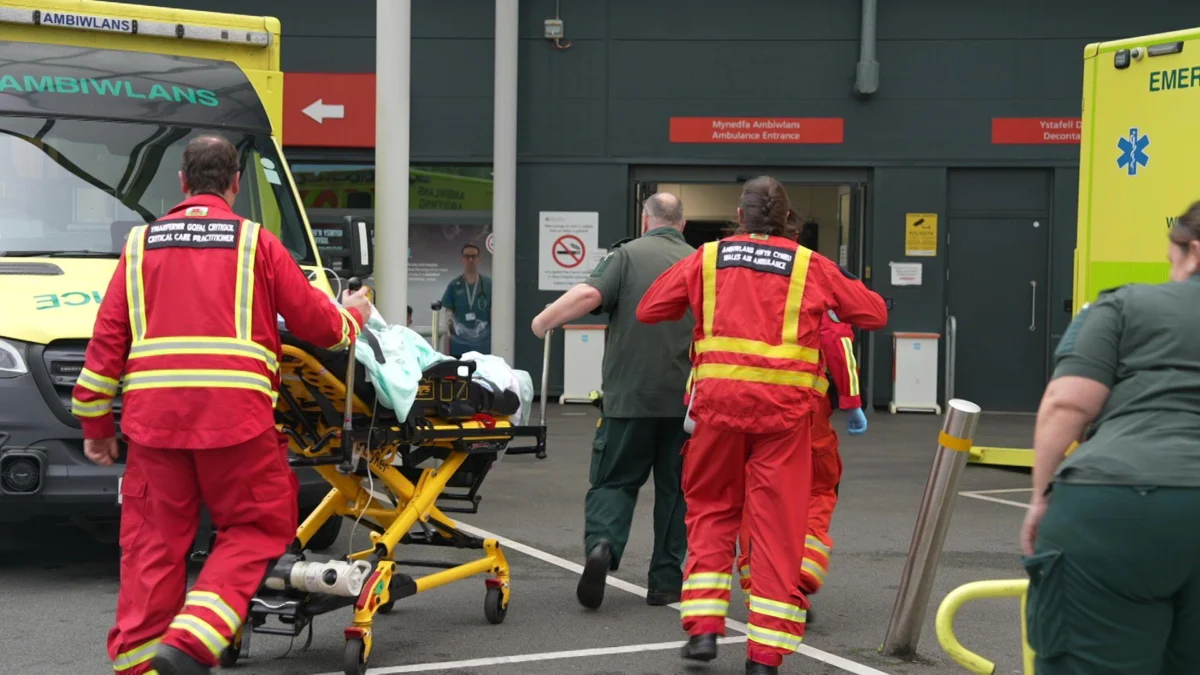
Dr. Amanda Doyle, a leading figure at NHS England, underscored the importance of a proactive and cautious approach. "Last year’s flu season came early and was made worse by a new variant, which had a major impact for patients and put enormous pressure on urgent and emergency care services across the country," she stated. The NHS has recently navigated its busiest summer on record, a period marked by sustained high demand and significant operational challenges. In response to these ongoing pressures and the looming threat of another influenza season, healthcare professionals have initiated winter preparedness efforts earlier than in previous years. Given the already strained resources, Dr. Doyle emphasized the critical need for all eligible individuals to receive the flu vaccine.
The threat of influenza is universal; no one is immune to its potential impact, regardless of their age or current state of health. Dr. Doyle further elaborated on the potential severity of the flu, stating, "Flu can really knock you for six, and for some children and pregnant women it can mean becoming seriously ill or ending up in hospital." The flu vaccine operates by stimulating the body’s immune system, enabling it to recognize and combat the influenza virus. It is important to reiterate that the vaccine itself cannot cause influenza.
The administration of the flu vaccine differs based on age. Children aged two and above typically receive a nasal spray vaccine, while adults are administered an injection. A single dose of either form provides essential protection in the lead-up to winter. The NHS flu vaccine is readily accessible through a network of healthcare providers, including General Practitioner (GP) surgeries, schools, and high street pharmacies. For those who do not qualify for a free vaccination, the cost typically ranges from £10 to £20.
Specific groups are prioritized for free vaccination. School children and pregnant women are eligible to receive their free NHS flu vaccine from September onwards. Additionally, individuals who meet certain criteria can access a free vaccine from October. These criteria often include those with underlying health conditions that place them at higher risk of severe illness from influenza.
This winter also sees an expanded vaccination program to protect against Respiratory Syncytial Virus (RSV), a significant respiratory pathogen that can cause severe illness, particularly in the lungs. From September, adults aged 65 will be invited to receive this vaccine, a reduction from the previous age threshold of 75. This proactive measure is particularly relevant for individuals with certain pre-existing health conditions, such as chronic lung disease, who are more vulnerable to the detrimental effects of RSV. The invitation to receive the vaccine will be extended at the point of turning 65, rather than requiring them to wait until their 75th birthday. This strategic adjustment aims to provide earlier protection to those most at risk. The expanded RSV vaccination program reflects a growing understanding of the impact of this virus and a commitment to bolstering respiratory health across vulnerable populations. The integration of these vaccination campaigns underscores the NHS’s comprehensive strategy to mitigate the impact of seasonal illnesses and protect the public’s health throughout the winter months and beyond. The early rollout of the flu vaccine, coupled with the enhanced RSV protection, signifies a concerted effort to bolster the nation’s resilience against respiratory threats.


 Nakalama John
 George Anjay
 Ramos Leo
 atisusanti