Ramos Leo
Uniquely, this governmental repayment largely involves the government effectively settling its own books. The substantial sum owed by Woking Borough Council originated primarily from the Public Works Loans Board (PWLB), a statutory body operating within the UK Debt Management Office, itself an executive agency of HM Treasury. The PWLB serves as a crucial source of low-cost borrowing for local authorities, enabling them to fund capital projects ranging from infrastructure improvements to housing developments. In this instance, the repayment mechanism means that central government funds are being used to clear debts owed to another central government entity, an arrangement that highlights the complex interdependencies within public finance but ultimately means the taxpayer remains the ultimate guarantor. This internal accounting operation, while seemingly circular, is vital for stabilising Woking’s finances by reducing its immediate debt servicing costs and its overall exposure to market fluctuations.
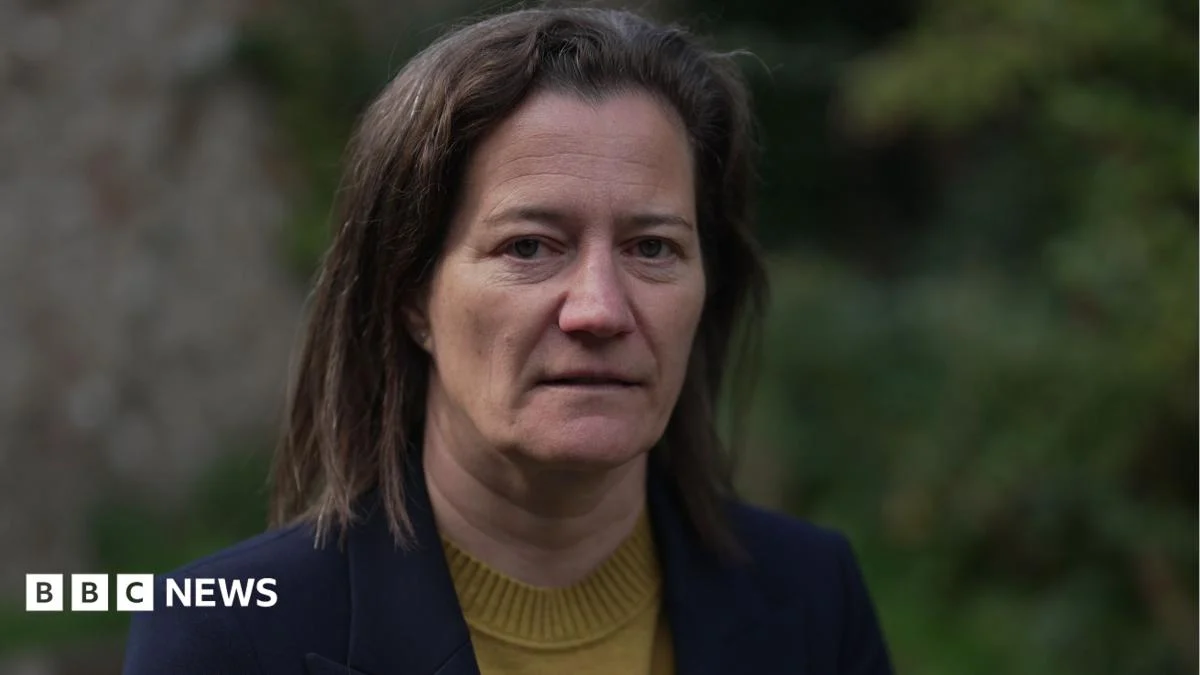
Ann-Marie Barker, the leader of Woking Borough Council, acknowledged the profound significance of this financial support package. She stated that the intervention would "help lessen the costs associated with servicing and reducing the council’s debt." Servicing debt refers to the ongoing interest payments and administrative expenses incurred in managing outstanding loans, which, for a council with Woking’s debt profile, represent an enormous drain on revenue budgets that could otherwise be allocated to essential public services. Reducing these costs is paramount to freeing up resources and allowing the council to focus on its core responsibilities.
Despite this initial progress, Councillor Barker remained pragmatic about the road ahead, cautioning that "While this marks important progress, we recognise that Woking’s debt is an ongoing concern for residents across Surrey. There is still much work to do." Her comments underscore the deep-seated nature of the financial crisis and the fact that the government’s intervention, while substantial, is not a panacea. The council’s structural financial challenges, legacy investment decisions, and the need for stringent fiscal discipline will continue to dominate its agenda for years to come.
Woking Borough Council’s journey to this point has been fraught with difficulties. In June 2023, the council took the drastic step of declaring itself effectively bankrupt by issuing a Section 114 notice. This declaration signifies that a local authority’s expenditure is likely to exceed its available resources, making it unable to balance its budget without taking exceptional measures. The decision followed a protracted period characterised by a series of ambitious and high-risk borrowing and investment decisions, primarily centred around large-scale regeneration projects. Key among these was the Victoria Place development, which included a new shopping centre, residential towers, and a Hilton hotel. Other significant investments included the Sheerwater regeneration project and various commercial property acquisitions.
These projects were largely funded through extensive borrowing from the PWLB and commercial lenders, with the expectation that rental income and property values would generate sufficient returns to service the debt and provide a long-term revenue stream for the council. However, a confluence of factors undermined these projections. The COVID-19 pandemic significantly impacted retail and hospitality sectors, reducing expected returns. Furthermore, rapidly rising interest rates, particularly following the government’s mini-budget in September 2022, dramatically increased the cost of servicing variable-rate loans. This perfect storm of reduced income and escalating costs pushed the council’s finances to the brink, culminating in the unprecedented £2 billion debt, a figure exceptionally high for a council of Woking’s size and population.
The government’s intervention, formally termed an Exceptional Financial Support (EFS) package, is a multi-faceted approach designed not only to alleviate immediate financial pressures but also to impose a strict regime of fiscal recovery. The initial £8 million repayment, and the planned £492 million by March 2027, form part of a broader strategy that will likely involve capitalisation directions, allowing the council to use capital receipts from asset sales to cover day-to-day running costs, a practice typically forbidden under normal financial rules. Such support is contingent on Woking Borough Council demonstrating a robust and credible plan for recovery, which includes significant cuts to non-statutory services, a comprehensive programme of asset sales, and enhanced oversight from the Department for Levelling Up, Housing and Communities (DLUHC).
The scale of Woking’s debt, approximately 100 times its annual core spending power, necessitated this extraordinary central government intervention. The implications for local residents are profound. The council is grappling with the need to make substantial savings, which inevitably translates into reductions in public services. While statutory services like social care must be protected by law, non-essential services, such as leisure facilities, arts funding, and discretionary grants, face significant cuts. Furthermore, residents are likely to face above-inflation council tax increases as the council attempts to generate more revenue locally to contribute to its recovery plan. The reputational damage to the council and the erosion of public trust are also significant, demanding a sustained effort to rebuild confidence through transparency and effective governance.
Woking is not an isolated case but rather one of several local authorities across the UK that have found themselves in severe financial distress in recent years. Councils such as Thurrock, Croydon, Slough, Birmingham, and Nottingham have also issued Section 114 notices, revealing a systemic vulnerability within the local government finance framework. Common threads in these crises include ambitious commercial investment strategies, often involving property speculation, underperforming assets, and a reliance on borrowing that became unsustainable in a climate of rising interest rates and economic uncertainty. Many councils, facing years of reduced central government funding and increasing demand for services, felt compelled to pursue commercial ventures to generate supplementary income, often with insufficient expertise or oversight.
The PWLB, while a vital funding source, has also come under scrutiny. Its lending criteria and the advice provided to councils engaging in extensive borrowing have been reviewed in light of these failures. The government has tightened PWLB lending rules, making it more difficult for councils to borrow for purely commercial purposes, signalling a shift towards greater caution and oversight. However, critics argue that these changes came too late for councils like Woking, which had already committed to large-scale, long-term projects.
The path to full financial recovery for Woking Borough Council will be protracted and challenging. It requires not only the strategic disposal of assets, potentially including some of the very investments that led to the crisis, but also a fundamental re-evaluation of the council’s operating model and service delivery. The leadership faces the difficult task of balancing the need for drastic cuts with maintaining essential services and community cohesion. Accountability for the decisions that led to the £2 billion debt is also a critical issue, with independent audits and investigations likely to scrutinise past governance and investment practices.
Ultimately, the government’s decision to begin paying off Woking’s debt, particularly the significant portion owed to the PWLB, is a pragmatic measure to prevent a complete collapse of local services and to stabilise the wider financial system. It serves as a stark reminder of the risks associated with speculative commercial investments by local authorities and highlights the urgent need for a more sustainable and resilient funding model for local government across the UK. The "much work to do" that Councillor Barker alluded to encompasses not only Woking’s immediate financial turnaround but also the broader lessons that must be learned to prevent future such crises.



 Roy Suryo