
 George Anjay
The primary objective of this unprecedented convention, held in the heart of Texas, was to galvanize and amplify enthusiasm among the party’s core supporters. This was particularly crucial in the current political climate, where the midterm elections often serve as a referendum on the sitting president and can be a challenging landscape for the out-of-power party to navigate. The organizers clearly understood the need to maintain momentum and prevent voter fatigue from setting in. The choice of Dallas, a city with a strong Republican presence, further underscored the strategic intent to hold the event in a region conducive to generating high levels of support. The two-day affair was meticulously planned, featuring a series of speakers and workshops designed to educate, inspire, and mobilize the grassroots. From policy discussions to campaign training, the convention aimed to equip attendees with the tools and motivation to become active participants in the political process. The emphasis was not just on listening to speeches but on fostering a sense of community and shared purpose.
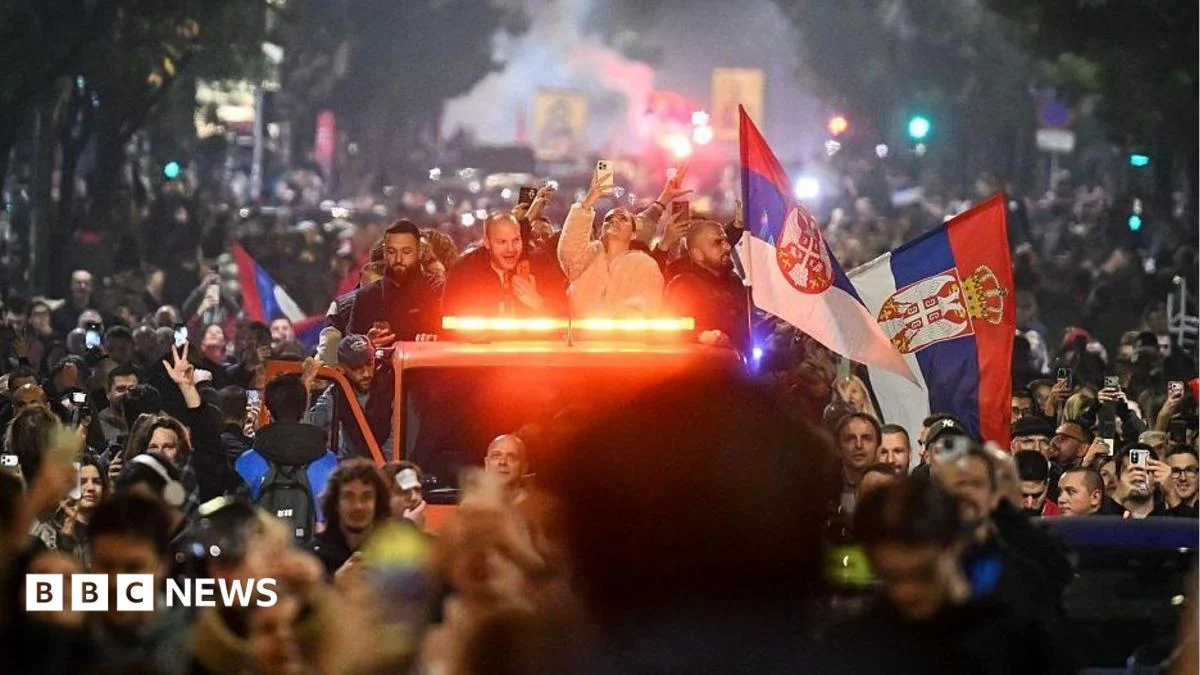
However, the convention’s ambition to project an image of unwavering support was met with visible dissent. Protesters, representing a spectrum of opposition to Trump’s policies and rhetoric, gathered outside the convention venue. These demonstrations, while not derailing the proceedings, served as a stark reminder of the deep divisions within the American political landscape and the persistent opposition that Trump continues to face. The juxtaposition of the enthusiastic crowds inside and the vocal protesters outside offered a visual representation of the polarized environment in which the Republican Party is operating. While the convention aimed to project an image of unity and overwhelming support, the presence of demonstrators highlighted the ongoing challenges and the intensity of the opposition. This duality is a recurring theme in contemporary American politics, where rallies and protests often occur in tandem, reflecting the passionate engagement of both supporters and detractors.
The BBC’s North America editor, Sarah Smith, provided a crucial and insightful breakdown of the main takeaways from this two-day event, offering an objective analysis of its impact and significance. Her reporting went beyond the surface-level speeches and rallies to delve into the underlying strategies and potential consequences of this innovative approach to political campaigning. Smith’s analysis focused on several key aspects that shaped the narrative of the convention.
One of the most significant takeaways was the reinforcement of Trump’s enduring influence within the Republican Party. Despite no longer holding the presidency, Trump’s presence and his speeches dominated the convention, demonstrating his continued ability to command attention and mobilize his base. Smith likely highlighted how Trump’s narrative, focusing on past achievements and future promises, resonated deeply with the attendees. His ability to connect with voters on an emotional level, often through populist appeals and direct challenges to the established political order, was evident. The convention served as a platform for him to reaffirm his leadership and to position himself as the de facto leader of the Republican Party, even as potential rivals subtly maneuvered for future influence. His rhetoric likely touched upon themes of national sovereignty, economic populism, and a critique of what he perceives as failures of the current administration.
Another crucial takeaway was the strategic utilization of Vice President JD Vance. Smith’s analysis would have undoubtedly focused on Vance’s role in bridging the gap between the traditional Republican establishment and the Trump-aligned wing of the party. Vance, a relatively new figure on the national stage but a vocal supporter of Trump, served as a key speaker tasked with articulating the party’s vision for the future. His address likely aimed to appeal to a broader demographic, including working-class voters and younger conservatives, while also demonstrating loyalty to Trump. The convention provided Vance with a significant platform to solidify his position within the party hierarchy and to project an image of a rising star who embodies the future of Republicanism. His performance was likely scrutinized for its ability to balance Trump’s charisma with a more policy-oriented message, potentially broadening the party’s appeal.
Smith’s reporting would have also shed light on the emphasis on grassroots mobilization and voter engagement. The convention was not merely a spectacle; it was designed to be a catalyst for action. The various workshops and breakout sessions were intended to equip attendees with practical skills for campaigning, fundraising, and voter outreach. This focus on empowering the base suggests a recognition that sustained electoral success requires more than just high-profile rallies; it necessitates a dedicated and active network of volunteers and supporters. The convention aimed to cultivate a sense of ownership among the attendees, making them feel like integral parts of the Republican movement. This could translate into increased volunteerism, greater financial contributions, and more effective get-out-the-vote efforts in upcoming elections.
Furthermore, the convention served as a barometer of the Republican Party’s current messaging and policy priorities. While Trump’s personality and past presidency were central, the discussions and speeches likely touched upon key issues that the party intends to champion. Smith would have analyzed these themes, looking for recurring narratives around the economy, immigration, national security, and social issues. The convention provided an opportunity for the party to refine its message and to present a united front on these critical policy areas. It also offered a glimpse into how the party plans to counter the agenda of the current administration and to appeal to swing voters. The emphasis on specific policy proposals, or the lack thereof, would have been a key element of Smith’s analysis.
The role of media and narrative control was another likely area of focus for Smith. The convention was a carefully curated event, designed to project a specific image to the public. Smith’s reporting would have explored how the organizers managed the narrative, both within the convention and in their broader communication strategy. This includes how they framed the event, how they responded to criticism, and how they sought to shape public perception. The contrast between the internal narrative of success and the external perception, influenced by the protests and independent media coverage, would have been a crucial point of analysis. The effectiveness of their messaging in reaching beyond the already committed base would have been a significant consideration.
Finally, Smith’s takeaways would have addressed the potential long-term implications of this midterm convention. Was it a one-off event, or does it signal a new era of political campaigning for the Republican Party? The success of this strategy could influence how other political parties approach the midterm cycle in the future. The convention’s impact on voter turnout, party unity, and the broader political landscape in the lead-up to the next presidential election would be key considerations. The ability of the Republican Party to sustain the energy and enthusiasm generated by this event beyond the convention itself would be a critical indicator of its overall success. The convention aimed to plant seeds that would blossom in future electoral contests, and Smith’s analysis would have sought to assess the initial germination.
In conclusion, the Republican Party’s first-ever midterm convention in Dallas was a bold and strategic undertaking. While it aimed to consolidate support and project an image of strength, the presence of protesters underscored the deeply divided political landscape. Sarah Smith’s analysis provided a nuanced understanding of the event’s key takeaways, highlighting Trump’s enduring influence, the strategic positioning of JD Vance, the emphasis on grassroots mobilization, the articulation of policy priorities, and the ongoing battle for narrative control. The long-term impact of this innovative convention on the Republican Party and the broader American political scene remains to be seen, but it undoubtedly marks a significant moment in contemporary political campaigning. The question of whether Trump has truly won over voters with this midterm convention is complex, and the answer will likely unfold in the coming election cycles, as the energy and messaging from Dallas are tested against the realities of the electorate.


 Nakalama John
 Ramos Leo
 atisusanti
 Roy Suryo