Roy Suryo
The rate of caesarean sections in Wales has surged to an all-time high, with nearly half of all births now delivered via this surgical procedure. In 2025, a staggering 42% of births in Wales were performed by caesarean section, marking a significant and concerning trend. This figure places Wales at the forefront of a national increase, with England reporting a similar rate of approximately 45% of babies delivered in this manner. This escalating reliance on caesarean births, while sometimes medically necessary, is raising alarm bells among new mothers who report a profound lack of adequate postnatal support, leaving them feeling isolated and ill-equipped to manage their recovery.
Carys, a content creator, experienced her first caesarean section in 2022. Following an emergency C-section, she found herself grappling with numerous unanswered questions about her recovery. "I think I was thrown in at the deep end and I really didn’t know how to deal with it," she candidly shared. The physical and emotional toll of the surgery was substantial; it took nearly three weeks before the 29-year-old felt well enough to venture outside her home, and even then, her excursions were limited to short walks around her street.
While Carys has since undergone two more caesarean births, and received commendably good care in hospital and from her community midwife on each occasion, the challenges began upon her return home. "You’re thrown so into the deep end and there’s no sort of, ‘Oh, this is how your scar should look. This is quite normal for this sort of time’," she explained, highlighting a critical void in post-discharge guidance. She recounted a particularly harrowing experience of fainting in the shower after removing her wound dressing, a stark illustration of her uncertainty and lack of information regarding the healing process. "I didn’t know – should my scar be recovering in a certain way, should I really be feeling like this?" she questioned. Carys emphasized the profound disconnect between the reality of recovering from major abdominal surgery while simultaneously caring for a newborn, noting that "everyone’s recovery looks totally different." Driven by her own challenging experiences, she has taken to sharing her journey online, offering a much-needed resource for expectant mothers seeking information. "I wish I’d had more stories that I could read to be a bit more informed before I gave birth that way," she reflected.
The NHS defines a caesarean section as a surgical procedure that may be recommended as a planned intervention or performed as an emergency if a vaginal birth is deemed too risky. In some instances, women may opt for a caesarean for non-medical reasons. Typically, the NHS advises that most women can be discharged from hospital within one to two days after a C-section, though it acknowledges that recovery is generally more prolonged than after a vaginal birth.
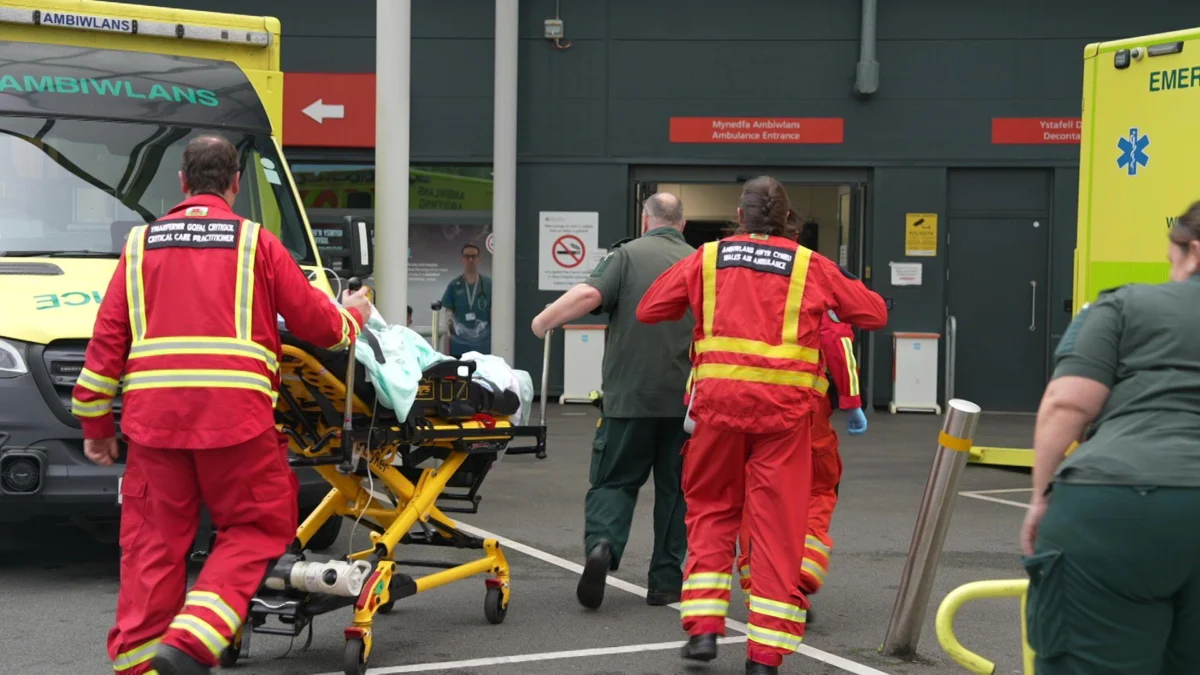
A Welsh government report published in February underscored the rapid escalation in caesarean sections and inductions, expressing concern that the ramifications for women, their families, and the NHS had not been thoroughly assessed. The report also voiced significant concerns regarding staffing levels and the overall support within maternity services, specifically highlighting inadequately staffed and supported postnatal care. In response, the Welsh government has pledged to implement a three-year improvement programme. However, the Royal College of Midwives (RCM) asserts that maternity services have not kept pace with the evolving landscape of childbirth. Julie Richards, director of the RCM in Wales, stressed the necessity of comprehensive postnatal care for C-section mothers, which should encompass support with pain management, wound care, and surgical recovery, in addition to assistance with infant feeding and general newborn care. She pointed out that the surge in caesarean births has fundamentally altered the demands placed upon healthcare services. "What we may not have had is the developments in maternity care to respond to the change in landscape for maternity services," she stated.
Nicola Rous-Morgan, a pregnancy and postnatal yoga teacher and a trained midwife who supports women through their postpartum journeys, including those who have undergone C-sections, echoes the sentiment of maternal isolation. She frequently hears from women who feel abandoned to manage their recovery independently. "I think one of the biggest take-homes is they felt that once they had been discharged from hospital, upon coming home, that they were just left to get on with it," she observed. Nicola further elaborated that the current focus of postnatal care appears to be primarily geared towards women recovering from vaginal deliveries, rather than those who have undergone major abdominal surgery. She firmly believes that women should not be compelled to rely on private services or social media for essential recovery information. "These things shouldn’t be things that women have to pay for privately. What happens to the women that can’t afford that luxury?" she questioned, highlighting the inherent inequity in the current system.
The RCM attributes the limitations in available care, in part, to persistent staffing pressures. Richards explained, "Our midwives are stretched, and quite often that is often impacted into the postnatal care, into the community settings." A survey conducted by the RCM among its members in Wales in July revealed a stark reality: 94% of respondents indicated that they were unable to provide the level of care they desired. The organization further reported that midwives are frequently working additional shifts and being redeployed to address shortages elsewhere within maternity services. Richards concluded by emphasizing the urgent need for increased investment and a robust workforce plan to address these critical issues. The current trajectory, with record-high C-section rates and a concurrent deficit in essential postnatal support, demands immediate and comprehensive action to ensure the well-being of mothers and their newborns in Wales.



 Nakalama John
 George Anjay
 Ramos Leo
 atisusanti