Nakalama John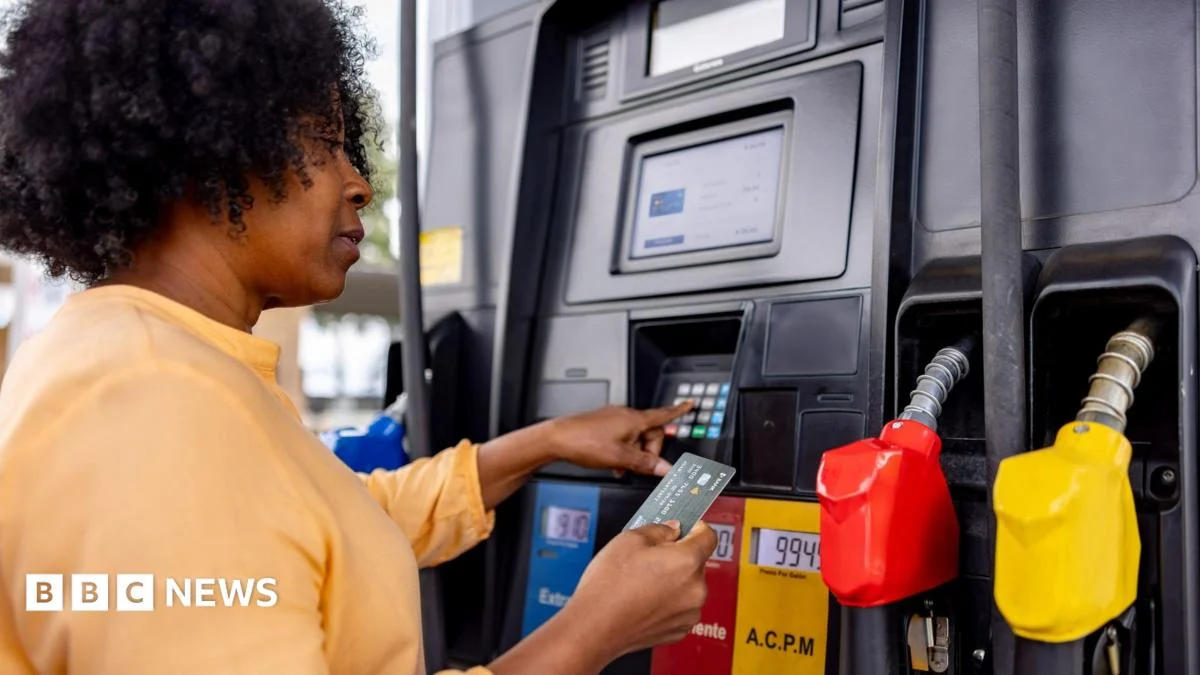
According to data released by the Bureau of Labor Statistics (BLS), the overall inflation rate for August remained unchanged from the previous month, suggesting a stubborn plateau rather than a deceleration in price growth. This static yet elevated inflation figure arrives at a critical juncture, just ahead of the Federal Reserve’s much-anticipated interest rate decision next week. Growing expectations within financial markets and among economists point towards another rate hike, a strategic move by the central bank designed to cool the economy and bring down the pace at which prices are rising.
The brunt of these escalating costs has been acutely felt at the fuel pumps, where a gallon of diesel reached an unprecedented average of more than $6 across the US on Friday. This new all-time high underscores the intense pressure on transportation costs, which invariably trickle down to affect a vast array of goods and services. The primary catalyst for this dramatic spike in fuel prices has been a surge in global oil prices, directly linked to significant supply disruptions stemming from the ongoing US-Iran conflict. Benchmark Brent crude oil, a key global indicator, has been hovering persistently above $100 a barrel following recent escalations in the geopolitical tensions in the Middle East, amplifying concerns about energy security and future price stability.
Beyond the direct impact on vehicle owners, higher oil prices exert a far-reaching influence by making the transportation of goods substantially more expensive. This increased operational cost for businesses, from trucking companies to manufacturing and retail, is often passed down to consumers. As a result, Americans are experiencing steeper prices for essential items like food, consumer durables, and various other staples, collectively contributing to the higher overall cost of living and eroding purchasing power. The BLS data further highlighted this trend, indicating that gasoline prices alone jumped by 3.9% in August, accounting for more than a third of the total inflation recorded for the month.
Compounding the financial difficulties for many families is the stark reality that wages are failing to keep pace with the rising cost of living. Separate economic indicators reveal that real average hourly earnings—which account for inflation—actually fell by 0.3% over the past year. This decline means that despite potential nominal wage increases, the actual buying power of American workers has diminished, making it harder to afford daily necessities and maintain their standard of living amidst the inflationary environment.
Given the persistent inflation, a robust jobs market, and President Donald Trump’s recent comments suggesting that oil prices will not abate until the US-Iran war concludes—a resolution he anticipates after November’s elections—the likelihood of an interest rate hike by the Federal Reserve has intensified. Such political and economic factors further complicate the Fed’s task of navigating inflation without triggering a significant economic downturn.
Fed chair Kevin Warsh has maintained a cautious silence regarding specific future policy decisions. However, his consistent emphasis that the central bank’s paramount focus should be on moderating price rises has served to further fuel expectations of an imminent rate increase. Financial markets are largely aligned with this view; according to data from CME Group, a staggering 85% of traders are now betting on the Fed raising rates by a quarter percentage point next week. This strong market consensus reflects a belief that the Fed has little choice but to act decisively to rein in inflation.
Skyler Weinand, chief investment officer at Regan Capital based in Dallas, articulated the prevailing sentiment among financial experts. He noted that while August’s inflation figures were generally in line with market expectations, the underlying trend remained "still too hot and the Federal Reserve’s hands are tied." Weinand added, "A rate hike next week is all but assured. Consumer prices are going in the wrong direction and remain significantly higher than the Fed’s 2% target." This assessment underscores the challenge facing the Fed: inflation is proving more stubborn than anticipated, necessitating continued monetary tightening.
The Federal Reserve has kept interest rates on hold for five consecutive meetings, maintaining them within a target range of 3.5% to 3.75%. Higher interest rates are a primary tool employed by central banks globally to slow the pace of price increases. By making borrowing more expensive for various financial products, including mortgages, personal loans, and credit cards, the Fed aims to discourage consumer spending and business investment. This reduction in overall demand is intended to alleviate inflationary pressures. Additionally, increased rates can incentivize individuals to save money, as higher returns become available on savings accounts and other financial instruments, further withdrawing liquidity from the economy.
The real-world consequences of these economic shifts are vividly illustrated by businesses like Hell Bent Xpress, a family-owned trucking company in South Dakota. Jamie Hagen, the company’s president, shared his struggles on the BBC’s World Business Report podcast, explaining how surging oil prices are severely impacting his operations. "I’ve already invested in new equipment. We thought the economy was gonna start humming and now everybody’s paused. Like someone turned the faucet off," Hagen lamented. He described a dramatic slowdown in business: "The calls aren’t coming in, the freight is slowing down drastically because there’s just no money left for it. People aren’t buying things and shippers aren’t making things." Hagen’s experience reflects a broader trend where high operational costs, particularly fuel, are squeezing profit margins for transportation companies, leading to reduced freight volumes and a ripple effect across the supply chain, indicating a potential broader slowdown in economic activity as consumer demand wanes. This sentiment from the ground highlights the direct impact of high fuel costs not just on individual budgets, but on the very arteries of commerce that underpin the national economy. The intricate web of global politics, energy markets, and domestic economic policy continues to create a challenging landscape for American households and businesses alike, with little immediate relief in sight for persistent high prices.


 George Anjay
 Ramos Leo
 atisusanti
 Roy Suryo