Roy Suryo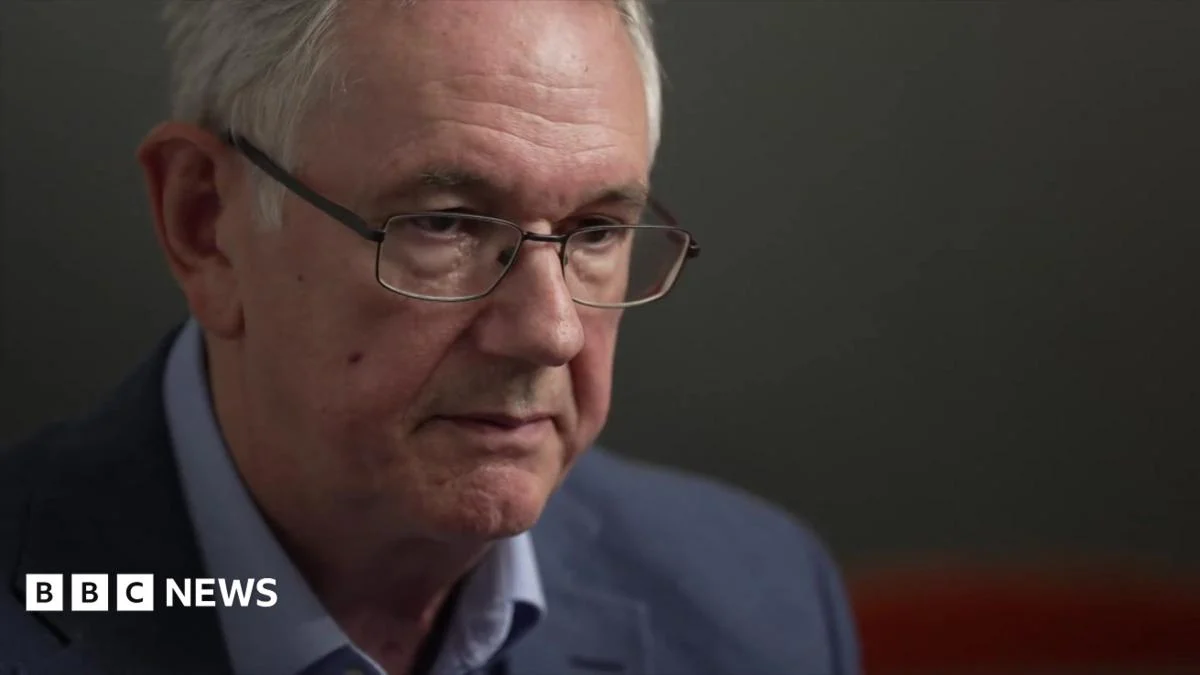
One of the senior doctors who bravely attempted to raise concerns about Lucy Letby with hospital managers has described the final inquiry report as making for "grim reading," a sentiment echoed by the profound sense of collective responsibility felt by many within the medical profession. Dr. John Gibbs, a distinguished consultant paediatrician who served at the Countess of Chester Hospital throughout the harrowing period of 2015 to 2016, a time tragically marked by Letby’s horrific crimes—the murder of seven infants and the attempted murder of seven more on the neonatal unit—has spoken with unflinching honesty about the report’s findings. He has unequivocally accepted that consultants, including himself, must bear a portion of the "collective" responsibility for the systemic failings identified in the comprehensive report, a document that lays bare a devastating cascade of missed opportunities and ignored warnings.
"I wish we consultants had been brave enough to follow our suspicions and escalate things to the police earlier," Dr. Gibbs confessed in a candid interview with the BBC, his voice tinged with the weight of regret. He continued, with a profound sense of personal accountability, "When I say, ‘we consultants’, I am responsible as well and if my other consultant colleagues didn’t go to the police, I should have." This admission underscores the deep introspection prompted by the inquiry, which was launched following former nurse Lucy Letby’s conviction in 2023, culminating in the publication of its final report on Tuesday. The 822-page document, meticulously compiled by Lady Justice Thirlwall, paints a stark and damning picture, describing "a complete failure to protect babies on the neonatal unit at the Countess of Chester Hospital." The report’s conclusions are unequivocal: the police "should have been notified earlier than they were," and crucially, hospital managers repeatedly dismissed the grave concerns voiced by dedicated consultants.
Reflecting for the first time on the report’s devastating findings, Dr. Gibbs stated, "I wasn’t expecting it to be an easy read and it certainly isn’t. I’d imagine it’s an extremely difficult read for the parents of the babies concerned." He continued with a heavy heart, "As I admitted when I appeared before the inquiry to give evidence, I feel we failed the babies and I apologise to the families for that." Dr. Gibbs, who began his distinguished career in Chester in 1994 and is now retired, found himself in complete agreement with the report’s finding that hospital executives had been presented with multiple opportunities to intervene and potentially save infant lives while the tragic sequence of deaths was unfolding.
He elaborated on the palpable atmosphere of the time, stating, "But it was during that 11 months after Lucy Letby was moved off the unit, before the police got involved, that it was a very difficult atmosphere, very tense, very stressful dealing with the managers." The senior doctor explained with stark clarity, "Managers ‘were determined to ensure that we accepted Lucy Letby had been wrongly suspected of doing any harm.’" This deliberate obfuscation and denial created an environment where professional judgment was undermined, and critical alerts were systematically ignored.
Dr. Gibbs also spoke with painful candour about the failures within his own department and the wider medical team, specifically referencing a doctor who regrettably disregarded critical blood test results that strongly suggested a baby had been poisoned with insulin in August 2015. While acknowledging that one of his colleagues had initially missed the significance of these crucial results upon their return from the laboratory, Dr. Gibbs concluded that it represented a collective failure of the team. "Others of us were on call and covering the neonatal unit over the next week or two before the baby moved out of the unit. We all had the opportunity to review the notes," he stated, highlighting the missed opportunities for collective scrutiny and intervention.
The weight of Lucy Letby’s crimes is underscored by the fact that she is currently serving 15 whole-life terms for her heinous actions, and her desperate attempts to appeal her convictions have been twice denied. However, the complexities of justice and the persistent questioning surrounding high-profile cases have led to an ongoing review of her convictions by the Criminal Cases Review Commission (CCRC), an independent body tasked with examining potential miscarriages of justice. In the weeks and months following Letby’s conviction, a complex tapestry of online conspiracy theories and serious academic discourse, involving medical experts and statisticians, has emerged, raising questions about the case.
Dr. Gibbs revealed that the continued support for Letby, despite the overwhelming evidence against her, has taken a significant toll on him and other consultants. He described the claims that she had been wrongly convicted as "frustrating and difficult" to hear. "I particularly find the misinformation that’s on the internet is difficult to deal with," he admitted, underscoring the insidious nature of online disinformation campaigns. Despite the challenges, his conviction remains steadfast: "I haven’t changed my mind that I think Lucy Letby is guilty."
Nevertheless, Dr. Gibbs emphasized the crucial importance of the CCRC’s review, particularly because of "the calibre of some of the people who’ve raised concerns." This acknowledges that while he is certain of Letby’s guilt, the rigorous examination of the evidence used to convict her by the CCRC is a vital component of ensuring the integrity of the justice system. The ongoing scrutiny, though emotionally taxing, reflects a commitment to due process and a recognition of the profound public interest in such a disturbing case. The inquiry’s report, therefore, serves not only as a historical record of failure but as a catalyst for profound change, demanding a re-evaluation of accountability, communication, and the fundamental duty of care within healthcare institutions. The "grim reading" is a stark reminder of the devastating consequences when these principles are violated, and the voices of those who try to uphold them are ignored.



 George Anjay
 Nakalama John
 Ramos Leo