Roy Suryo
The decision to take a sick day, a seemingly simple act of self-preservation, can often be fraught with internal conflict and societal pressure. For many, the mere thought of calling in ill triggers a cascade of anxieties, prompting a deep introspection into our relationship with work, our self-perception, and the unwritten rules of professional conduct. This reluctance to prioritize our well-being is not an isolated phenomenon; it’s a complex interplay of psychological drivers, cultural expectations, and individual circumstances that shape our approach to sickness absence. Understanding these underlying factors is crucial to fostering healthier work environments and empowering individuals to make informed decisions about their health.
At the heart of this apprehension lies a concept known as "work centrality," a term coined by occupational psychologists to describe the degree to which an individual’s identity is intertwined with their profession. For those who experience high work centrality, their job is not merely a means to an end, but a fundamental component of who they are. Research consistently links this deep occupational identification with enhanced engagement, unwavering commitment, and an extraordinary willingness to go above and beyond. Consequently, for these individuals, being absent from work can feel like a temporary, and often distressing, severance from a core part of their identity.
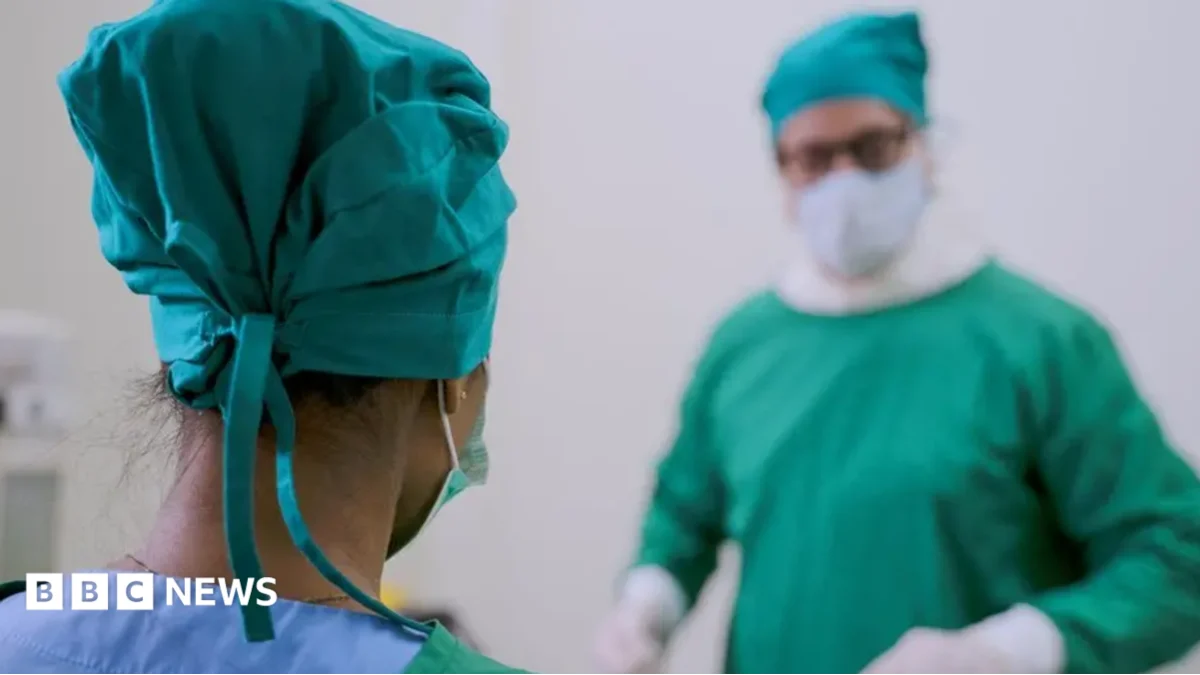
Dr. Audrey Tang, a psychologist specializing in workplace well-being, elaborates on this sentiment: "These people feel a strong desire to keep showing up." This intrinsic motivation to maintain a constant presence is particularly pronounced in individuals employed in caring professions. Fields such as medicine, nursing, and teaching, which are inherently demanding and deeply rooted in service, often attract individuals with a profound sense of duty and empathy. Dr. Tang observes a particular tendency within these sectors: "They often report they would rather have a physical accident to have a reason not to show up than just take the day off." This stark statement highlights the immense psychological barrier that prevents some from simply admitting they need rest, opting instead for more "acceptable" justifications for absence. The implication is that the guilt or perceived inadequacy associated with taking a voluntary sick day can be so overwhelming that an involuntary, externally imposed reason becomes preferable.
Beyond the intrinsic value placed on work, another significant factor contributing to the reluctance to take sick days is the pervasive fear of being perceived as weak, lazy, or unreliable. This anxiety is often amplified among younger professionals who are early in their careers. Dr. Tang notes that "Younger workers are particularly susceptible to this." Her observation stems from the understanding that "They’re more likely to be early in their profession and they don’t want to leave a negative impression." The pressure to prove oneself, to consistently demonstrate dedication and capability, can lead individuals to push through illness, fearing that any perceived lapse in their performance will be permanently etched into their professional record. This fear is often fueled by a competitive job market and the desire to secure future opportunities, creating a culture where vulnerability is seen as a liability.
The very act of deciding whether one is "too sick to work" is a minefield of ambiguity and subjective interpretation. While physical illnesses often present clearer guidelines, the lines blur significantly when dealing with less visible ailments. For physical maladies, Dr. Tang offers some practical "rules of thumb." She advises, "If you’re vomiting and have diarrhoea or have a fever, you should stay at home for 48 hours and 24 hours respectively after the symptoms have passed." The rationale is clear: in such states, an individual is unlikely to be able to perform their duties effectively, and more importantly, they pose a significant risk of transmitting illness to colleagues. "In those situations," she emphasizes, "you’re unlikely to be able to work effectively anyway."
However, the decision-making process becomes considerably more nuanced beyond these clear-cut scenarios. "Where there is more of a grey area is with coughs and colds," Dr. Tang explains. The landscape of workplace etiquette has been irrevocably altered by the COVID-19 pandemic. "Since Covid, workplace etiquette has changed – generally it’s considered polite to work from home." This shift reflects a greater awareness of public health and a collective understanding that asymptomatic or mildly symptomatic individuals can still contribute to the spread of viruses. Working from home, in this context, offers a compromise: allowing individuals to maintain their productivity while minimizing the risk to their colleagues.
Crucially, Dr. Tang underscores a fundamental principle that must guide all decisions regarding sickness absence: "an absolute must is that mental health should be treated no differently than physical health." The societal stigma surrounding mental illness has historically created a disparity in how it’s perceived and addressed in the workplace. The notion that one can simply "power through" mental health struggles is not only harmful but also fundamentally flawed. "If you’re sick and unable to work, you’re sick and unable to work," she asserts, advocating for an equitable approach that recognizes the debilitating nature of both physical and mental ailments.
This perspective is echoed by Quinn-Cirillo, who reinforces the core tenet of incapacity: "Ultimately it’s about capacity to do a job, whether it be physical or mental health." This framework shifts the focus from the specific nature of the illness to the individual’s ability to perform their role effectively and safely. If an illness, regardless of its origin, impairs an individual’s capacity, then taking time off is not a sign of weakness but a necessary measure for recovery and sustained performance.
A further, and often overlooked, warning sign that indicates the need for rest is when work begins to encroach upon and negatively impact basic self-care. Quinn-Cirillo highlights this crucial indicator: "A further warning sign is when work starts affecting basic self-care, she says." She prompts individuals to engage in self-reflection with a series of probing questions: "Is your ability to look after yourself changing? Are you able to decompress from work? Is your sleep OK?" These questions are designed to uncover the insidious ways in which chronic stress and overwork can erode an individual’s fundamental well-being. When the answer to these questions is a resounding "no," it serves as a clear signal that rest and recovery are not just beneficial, but essential. The ability to decompress, to engage in restorative activities, and to maintain adequate sleep are the bedrock of both physical and mental health. When these pillars are compromised by work demands, it signifies that the individual has reached a tipping point.
The underlying reasons for hesitating to take sick days are multifaceted, encompassing a deep-seated work ethic, fear of judgment, and the inherent complexities of self-assessment. However, by recognizing these patterns and understanding the psychological drivers behind them, we can begin to dismantle the stigma associated with taking time off. Prioritizing our health, both physical and mental, is not a sign of weakness, but a testament to our commitment to long-term well-being and sustained productivity. It’s about acknowledging our human limitations and embracing the restorative power of rest, ensuring that when we do return to work, we do so with renewed vigor and a clearer perspective. The evolving workplace culture, with its increased emphasis on mental health and flexible working arrangements, offers an opportunity to redefine our relationship with sickness absence, fostering environments where taking a sick day is viewed not as a failure, but as a responsible act of self-care that ultimately benefits both the individual and the organization.

 George Anjay
 Nakalama John
 Ramos Leo