
 Nakalama John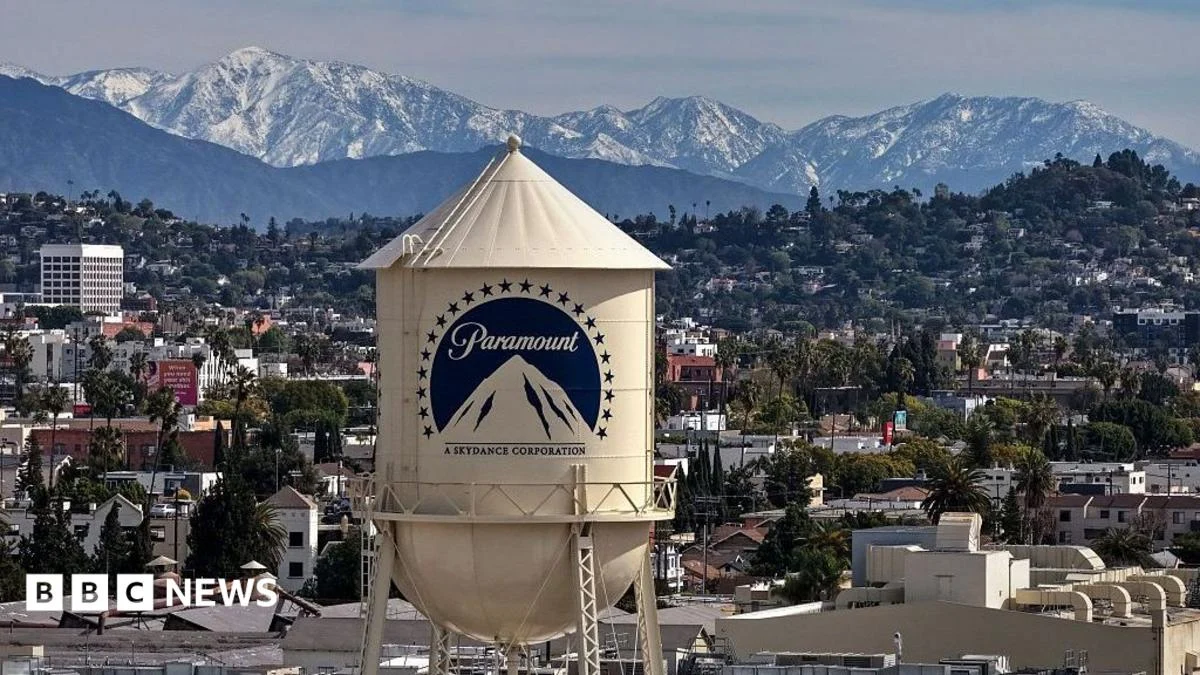
Paramount Skydance has successfully concluded a significant lawsuit with a coalition of a dozen U.S. states, a pivotal development that effectively clears a major path for its ambitious $110 billion (£82.8 billion) merger with Warner Bros Discovery. This proposed mega-deal, valued at an astronomical sum, is poised to dramatically reconfigure the landscape of Hollywood, bringing together an expansive portfolio of legacy studios, dominant streaming platforms, and prominent national broadcast networks under a single, unified corporate umbrella. The resolution of this legal challenge marks a crucial step forward for a transaction that has garnered intense scrutiny from various stakeholders, including government regulators, labor unions, and the broader creative community.
Under the meticulously crafted terms of the agreement reached with the states, Paramount is now bound by stringent production commitments designed to safeguard and stimulate domestic film creation. Specifically, the merged entity must pledge to produce a minimum of 30 feature films annually. A critical component of this commitment is the stipulation that a significant and increasing percentage of these productions must be undertaken within the United States. Should Paramount fail to adhere to these specified quotas and geographic requirements, it will face substantial penalties, including the forced divestiture of valuable assets from its extensive business holdings. This landmark settlement addresses key concerns raised by state attorneys general regarding potential market consolidation, its impact on competition, and the preservation of jobs within the highly dynamic entertainment industry.
California Attorney General Rob Bonta, whose office spearheaded the legal challenge, underscored the nuanced nature of the agreement upon its announcement. While acknowledging the settlement as a necessary resolution, Bonta explicitly stated that it should not be construed as "a vote of support for this merger." His comments reflect the ongoing regulatory concerns about the unprecedented scale of the proposed consolidation and its potential ramifications for industry competition and consumer choice. Conversely, David Ellison, the chief executive of Paramount Skydance, expressed his satisfaction with the resolution, signaling relief that a significant hurdle had been overcome. Ellison highlighted that with the concerns of both the state attorneys general and the powerful Writers Guild of America (WGA) now addressed, the merger has achieved "complete clearance," and the company eagerly anticipates implementing the commitments outlined in the agreements. "Our shared aim," Ellison articulated, "was an outcome that best serves consumers, workers and – most importantly – the creative community so vital to the art of visual storytelling."
Despite the company’s optimistic outlook, the Writers Guild of America (WGA) maintained its critical stance, reiterating its belief that the deal "will cause damage to writers and the industry at large." The WGA, a non-profit organization representing a vast number of screenwriters, television writers, and new media writers, explained that its decision to settle its own separate lawsuit was not an endorsement of the merger but rather a pragmatic necessity. The guild cited its limited financial resources as a primary factor, stating it could not afford to continue fighting the merger independently without robust government support. This admission highlights the considerable power imbalance often present when major corporations pursue large-scale mergers against labor organizations.
The WGA’s settlement, while not preventing the merger, secured several crucial protections for its members. Paramount is obligated to contribute $17.5 million to the WGA health fund, providing essential financial support for writers’ healthcare needs. Furthermore, the studio agreed to cover the WGA’s legal fees incurred during the protracted dispute. Perhaps most significantly, the agreement includes a critical provision prohibiting writer layoffs at CBS News Broadcast, a key division within the broader Paramount portfolio, for a period of five years. This measure offers a degree of job security in a notoriously volatile industry, particularly in the face of corporate consolidation often leading to workforce reductions.
Attorney General Bonta emphasized that the state settlement’s robust production mandates are specifically designed to significantly boost film production activities within the United States. The requirement for Paramount to release at least 30 films each year is not merely a numerical target; it is coupled with strict guardrails intended to prevent the studio from fulfilling its annual quota with low-budget, commercially unviable, or, critically, "AI-generated" content. Bonta stressed the importance of these protections, explaining that officials were determined to guarantee the production of "real, robust movies" that genuinely stimulate economic activity, create tangible employment opportunities for human talent across various crafts, and contribute meaningfully to the cultural landscape. This forward-looking clause directly addresses growing anxieties within the creative community about the increasing role of artificial intelligence in content creation and its potential to displace human artists and technicians.
The agreement includes severe consequences for non-compliance. Should Paramount fail to meet its annual production quota, it will be compelled to divest its 49% stake in Miramax, the renowned film and television studio. Bonta clarified the strategic importance of such divestitures, stating, "Divestitures are part of our solutions to all three markets," referring to the markets for film production, distribution, and exhibition. He argued that the deal effectively transformed what could have been "a falling off the cliff in domestic production into a huge increase," projecting a significant surge in the number of movies produced, a corresponding increase in job opportunities, and a substantial boost to overall economic activity within the U.S. film industry.
Despite previous indications from David Ellison that the merged company would maintain its headquarters in California for the foreseeable future, Attorney General Bonta clarified that this commitment was notably absent from the final legal agreement. "It’s not part of the deal," Bonta explicitly stated, underscoring that such a pledge, while publicly made, does not carry the weight of a legally binding obligation within the settlement terms. This detail is particularly significant given Ellison’s prior threats to relocate studio operations out of California, highlighting the state’s ongoing efforts to retain its status as the global epicenter of film production.
To ensure strict adherence to all the terms and conditions of the settlement, Paramount has consented to the appointment of an independent monitor. This monitor will be tasked with overseeing ongoing compliance, providing an external layer of accountability and transparency to the agreement’s implementation. The legal push against the merger was a collaborative effort, with California leading a formidable coalition of state attorneys general that included Arizona, Colorado, and New Jersey. This multi-state approach underscored the widespread regulatory scrutiny facing such a massive corporate consolidation.
The deal’s initial production terms mandate that Paramount must ensure at least 20% of all its film production takes place within the United States for the first two years following the merger. This percentage is set to rise progressively to over 30% during the subsequent three years, demonstrating a sustained commitment to domestic production. While large-scale mergers often lead to corporate overlap and subsequent redundancies, Bonta maintained an optimistic outlook, asserting that this particular deal would ultimately act as a "job creator," putting people back to work across various segments of the industry.
Bonta further quantified the projected economic benefits, stating that the deal is expected to generate an increase in economic activity ranging from "$300 million to $1.5 billion more, at minimum, for film and TV production right here in our country." He emphasized that this figure represents a "baseline" and the "minimum" expected impact, noting that production commitments could potentially surge by an astounding 700% if the U.S. Congress were to pass a federal film tax credit. This potential for exponential growth underscores the significant leverage that government incentives can have on stimulating domestic content creation and employment within the entertainment sector. The settlement, therefore, represents a complex compromise, balancing corporate ambitions with public interest concerns, worker protections, and the strategic goal of fostering a vibrant domestic film industry.



 George Anjay

 Ramos Leo
 Roy Suryo