
 George Anjay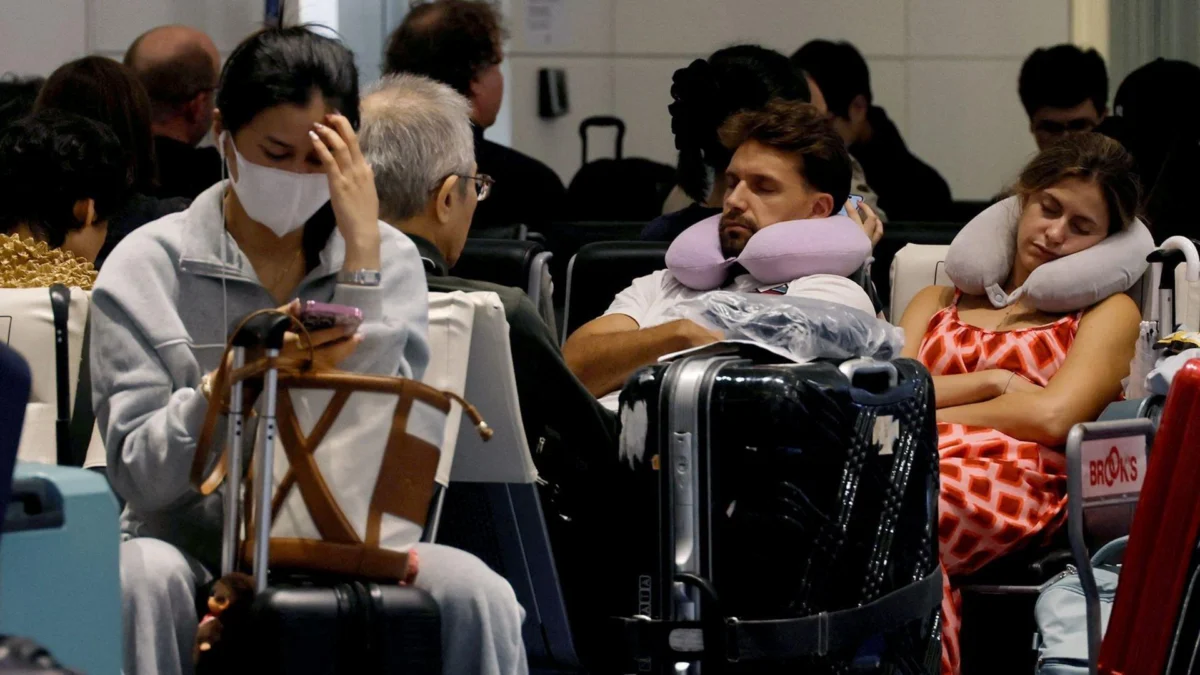
Almost two million people are under evacuation orders across Japan as Typhoon Dujuan unleashes its fury, battering numerous prefectures with torrential rain and ferocious winds. The storm, which has sustained winds of 130 km/h (80.8 mph) and gusts reaching a staggering 194 km/h, has already claimed at least two lives and left four individuals missing, according to reports from the country’s public broadcaster, NHK. The severity of the situation prompted the Japan Meteorological Agency to issue a dire warning of an "imminent threat to life," although several weather advisories have since been downgraded as the typhoon progresses.
The typhoon’s impact has been widespread and disruptive. Over 50,000 households have experienced power outages due to the strong winds, highlighting the widespread infrastructure damage. Transportation networks have also been severely affected, with hundreds of flights cancelled and extensive suspensions of rail services, stranding countless travelers. The chaos has been compounded by the timing of the typhoon, which has struck during a five-day national holiday, forcing the cancellation of numerous planned events and celebrations. The Rock in Japan music festival saw its Monday concerts cancelled, and the Tokyo Game Show, a prominent video game convention, also had to suspend its program for the day.

The human toll of Typhoon Dujuan is beginning to emerge with heart-wrenching details. In Yokosuka City, the fire department reported that a woman in her 60s, who lived in a house that was apparently swept away, is believed to have been buried alive. Rescue crews later found her within the debris of her home, but she was pronounced dead. In a separate tragic incident in Chiba prefecture, a man in his 50s was killed while working to clear debris following a landslide. The Sodegaura City Fire Department confirmed that the worker fell into a bamboo thicket along with heavy machinery. He was transported to a hospital, but his death was later confirmed. Police are currently investigating the precise circumstances of this incident. In Kanagawa prefecture, firefighters received a distress call from a man whose house had been crushed by a landslide, underscoring the widespread danger posed by the storm’s force.
The intensity of Typhoon Dujuan is being exacerbated by the ongoing "super El Niño" phenomenon, a natural weather pattern characterized by warmer ocean waters in the tropical Pacific. This warming acts as a fuel for storm formation, leading to more powerful and potentially destructive cyclones. While El Niño’s direct impact on the global frequency of typhoons is complex, it can significantly influence their formation, strength, and trajectory, leading some regions, like Japan, to experience a greater exposure to stronger storms.
This year, Dujuan marks Japan’s 25th typhoon, a testament to the increased storm activity in the Pacific region. The warmer ocean temperatures associated with the current El Niño event contribute to the increased intensity of typhoons. Warmer waters provide more energy for storms to develop and strengthen, resulting in higher wind speeds. Furthermore, a warmer atmosphere can hold more moisture, leading to the potential for more torrential rainfall during these extreme weather events.

Prime Minister Sanae Takaichi expressed her condolences on X to the families of those who lost their lives due to the typhoon. Despite the ongoing crisis, she confirmed her intention to proceed with her scheduled trip to the United States, stating she had instructed Chief Cabinet Secretary Takehara and Minister Hosono to respond with "utmost preparedness." The Prime Minister is set to address the UN General Assembly in New York on Tuesday and will also hold a meeting with U.S. President Donald Trump.
The typhoon is currently tracking northward along Japan’s Pacific coast. The full extent of the damage and the final casualty count may not be known until Tuesday, as rescue and assessment efforts continue in the storm’s wake. The visual evidence of the typhoon’s power is stark, with images showing pedestrians struggling against gale-force winds and driving rain in iconic locations like the Shibuya crossing in Tokyo and outside Shinjuku station. Airports have been turned into scenes of frustration and uncertainty, with passengers waiting for updates amidst widespread flight cancellations.
The increased frequency and intensity of typhoons hitting Japan raise important questions about climate change and its impact on extreme weather events. While research suggests that climate change may not necessarily increase the total number of typhoons globally, it is widely believed to be a contributing factor to the intensification of those that do form. As global temperatures continue to rise, the oceans absorb more heat, providing a richer energy source for tropical cyclones. This can lead to storms with higher wind speeds and a greater capacity to carry and release massive amounts of rainfall, increasing the risk of devastating floods and landslides.

The meteorological agencies continue to urge the public to remain vigilant and to closely monitor weather information and official advisories. The resilience of Japanese communities will be tested in the coming days as they assess the damage, support those affected, and begin the long process of recovery and rebuilding. The events unfolding in Japan serve as a stark reminder of the growing threat posed by extreme weather events in a changing climate.
Additional reporting by Chie Kobayashi and Mark Poynting, climate reporter.



 Nakalama John

 Ramos Leo
 Roy Suryo