
 Nakalama John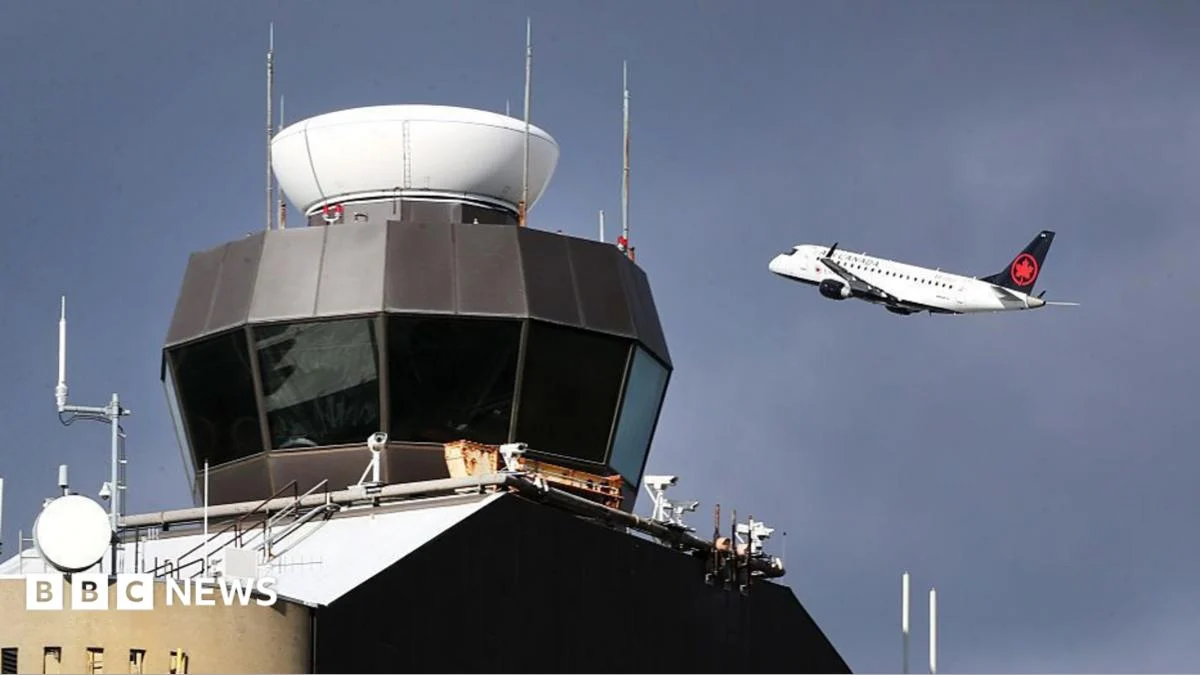
The disruption began mid-afternoon, affecting key transportation hubs in New York, Pennsylvania, New Jersey, and Massachusetts. Airports such as Newark Liberty International Airport (EWR) in New Jersey, John F. Kennedy International Airport (JFK) and LaGuardia Airport (LGA) in New York, and Philadelphia International Airport (PHL) in Pennsylvania were among the most heavily impacted, with cascading effects felt at other regional airports and those with incoming flights destined for the affected areas.
At the heart of the problem was damage to a vital component of the Terminal Radar Approach Control (TRACON) system. TRACON facilities are ground-based air traffic control centers responsible for guiding aircraft during the critical phases of takeoff and landing, managing traffic within a roughly 30-50 mile radius of an airport, and ensuring safe spacing and sequencing of planes. This complex system relies on an intricate network of radar data and communications links, which were severely compromised by the severed cable. Without the full functionality of TRACON, air traffic controllers cannot safely manage the dense volume of air traffic, necessitating immediate ground stops to prevent further congestion and potential safety hazards.
Telecommunications giant Verizon, which owns the critical cable, confirmed the damage and stated it was working "as quickly as possible" to restore service. In a statement to U.S. media outlets, Verizon emphasized that it "bears no responsibility" for the incident, suggesting the fault lay with the third-party construction crew. The nature of the cable—likely a high-capacity fiber optic line—meant its repair would be a delicate and time-consuming process, involving specialized crews to locate the precise point of damage, splice new fiber, and restore signal integrity.
Newark Liberty International Airport bore the brunt of the immediate impact, according to data from flight-tracking website FlightAware. The site reported a staggering 267 departing flights from Newark were delayed on Monday, alongside an additional 257 flights scheduled to arrive at the airport also facing significant hold-ups. The sheer volume of affected flights underscored Newark’s crucial role as a hub for United Airlines and a major gateway for international and domestic travel. Passengers at Newark reported scenes of frustration and confusion, with long lines forming at customer service desks and departure boards flashing constant delay updates. Many travelers found themselves stranded, facing missed connections and the prospect of unexpected overnight stays.
Beyond Newark, the two primary New York City airports, JFK and LaGuardia, also experienced substantial disruptions. While specific numbers for these airports were slightly lower than Newark’s, the impact was still considerable, leading to extensive ground delays and cancellations. Philadelphia International Airport likewise reported numerous delays, extending the geographical reach of the incident across the Mid-Atlantic and Northeast corridors. The ripple effect was not confined to these airports alone; flights originating from distant cities across the country and even internationally, scheduled to land in the affected region, were forced to hold, divert, or delay their departures, creating a domino effect across the entire national air traffic system.
US Transportation Secretary Sean Duffy swiftly addressed the situation, taking to X (formerly Twitter) to provide updates. Secretary Duffy confirmed that the damage was caused by workers from Amtrak, the national operator of intercity railroad service, who were engaged in construction activities in New Jersey. The precise nature of Amtrak’s construction project—whether track maintenance, signal upgrades, or other infrastructure work—was not immediately detailed, but the crucial point was the accidental cutting of the telecom cable. This "caused a telecom outage," Duffy explained, which subsequently compelled the Federal Aviation Administration (FAA) to issue ground stops and manage the resulting flight delays. A critical detail later emerged: the severed cable was not the primary network but a backup circuit. The outage was only discovered after the primary circuit had unexpectedly failed, exposing the vulnerability of the system and highlighting a potentially deeper infrastructure issue where both primary and backup systems were compromised, albeit sequentially.
The timing of this major east coast disruption could scarcely have been worse. It occurred just one day before the highly anticipated UN General Assembly (UNGA) was set to commence in New York City on Tuesday. The UNGA is an annual gathering that draws scores of world leaders, diplomats, and high-ranking officials from around the globe, many of whom were scheduled to arrive at New York-area airports on Monday and early Tuesday. The delays threatened to throw carefully coordinated diplomatic schedules into chaos, potentially impacting high-level bilateral meetings and the assembly’s opening proceedings. Security protocols surrounding the UNGA are always stringent, and this unexpected air traffic disruption added another layer of complexity for authorities managing the arrival of international dignitaries.
The incident underscored the fragile interdependence of modern infrastructure. An accidental cut by a construction crew, seemingly a localized event, rapidly escalated into a regional crisis affecting air travel, commerce, and international diplomacy. Beyond the immediate inconvenience, such disruptions carry significant economic costs for airlines in terms of fuel burn from holding patterns, crew repositioning, and compensation for delayed passengers. For businesses, lost productivity from delayed travel and missed meetings can be substantial. For individual passengers, the experience often involves missed connections, canceled plans, and the stress of uncertainty.
In the aftermath, attention turned to the speed of recovery and measures to prevent future occurrences. Verizon technicians worked through the night, battling against the clock to repair the damaged fiber optic line. The FAA, meanwhile, coordinated closely with airlines to manage the flow of traffic once the TRACON system was fully restored, prioritizing flights and working to clear the backlog. Airlines initiated rebooking procedures, offered waivers for changes, and in some cases, provided hotel accommodations for stranded passengers.
The incident also raised questions about redundancy and resilience in critical national infrastructure. While a backup cable existed, its failure alongside or in quick succession to the primary system highlighted potential gaps in protective measures or operational protocols. Experts are likely to scrutinize communication and coordination protocols between construction companies, utility providers like Verizon, and critical infrastructure operators such as Amtrak and the FAA. Programs like "Dig Safe," designed to prevent damage to underground utilities, will undoubtedly come under renewed focus, emphasizing the need for meticulous planning and information sharing before any excavation work commences near vital communication lines. The event serves as a stark reminder of how a single, seemingly minor construction error can propagate through complex interconnected systems, leading to widespread disruption across an entire region.



 George Anjay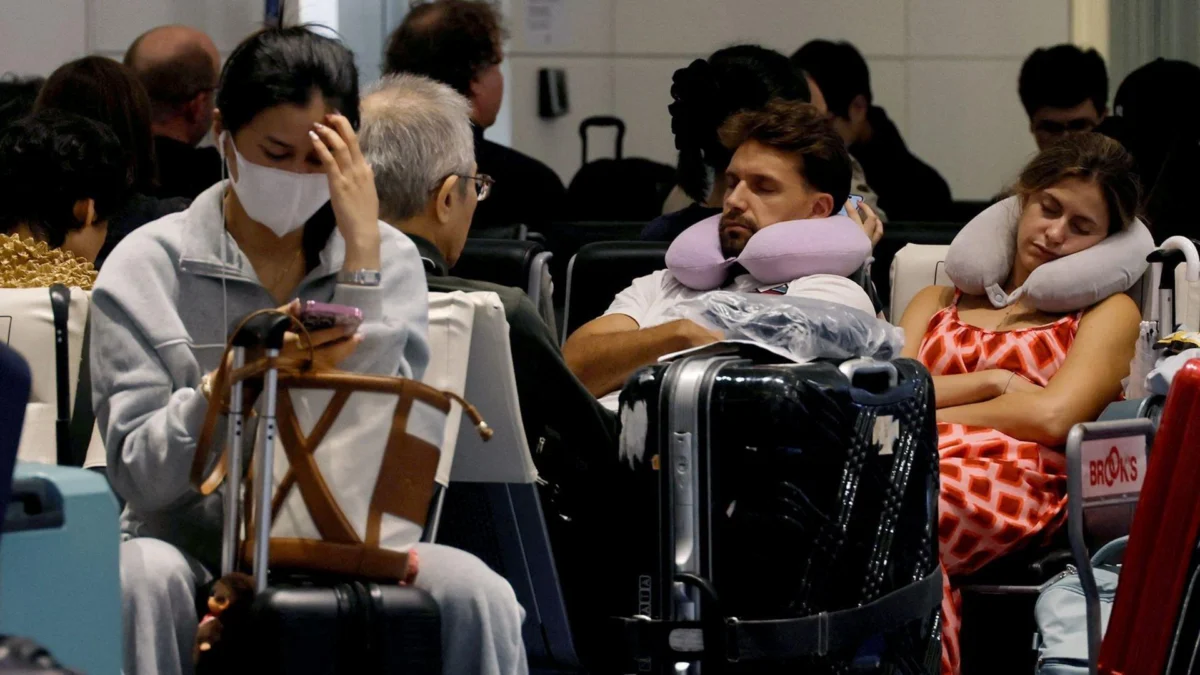
 Ramos Leo
 Roy Suryo