
 George Anjay
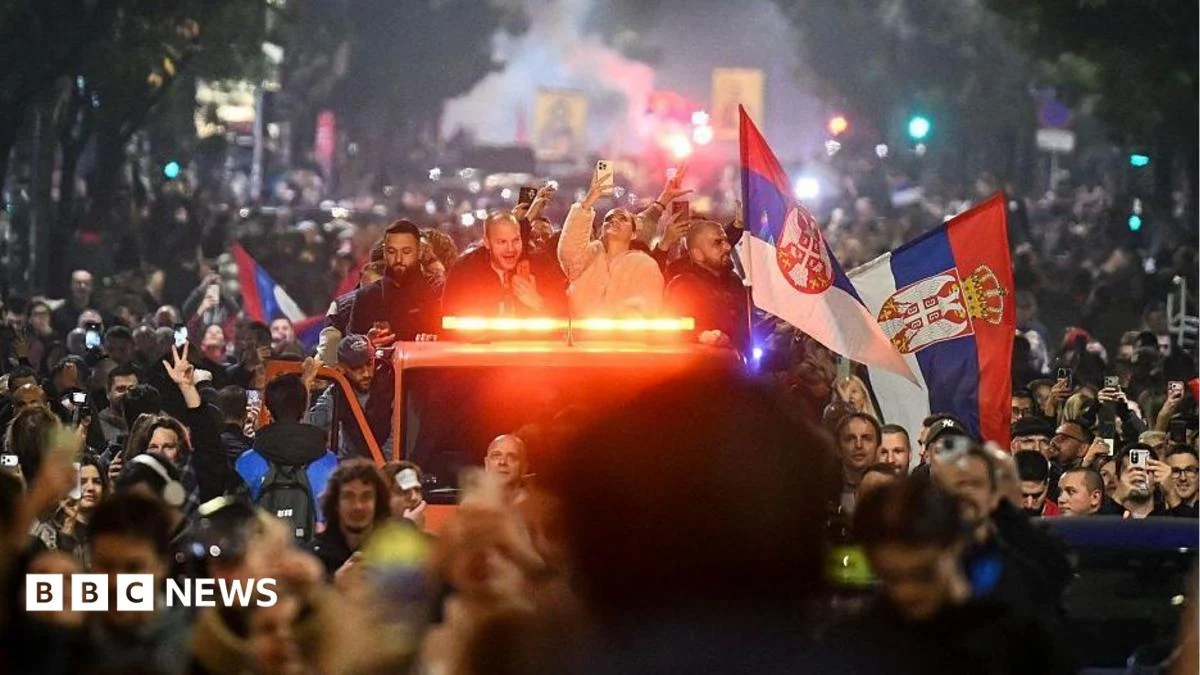
In a seismic shift that has sent shockwaves through the Balkans and beyond, Serbia’s long-serving President Aleksandar Vučić has conceded defeat in a closely watched general election, handing a significant victory to a nascent, student-led protest movement that has galvanized a nation weary of corruption and authoritarianism. Vučić, a towering figure in Serbian politics for over a decade, acknowledged the outcome late Sunday night, marking a potential turning point for a country that has navigated a complex geopolitical landscape under his decisive leadership.
Vučić had spent two terms as president and was constitutionally barred from seeking a third consecutive term in that office. Instead, he had thrown his considerable weight behind his Serbian Progressive Party (SNS), aiming to orchestrate a return to the post of prime minister, a role he had previously held before transitioning to the presidency in 2017. His strategy, however, appears to have been upended by the unexpected surge of the "Student List" coalition, a group that eschewed traditional political maneuvering for a grassroots campaign fueled by public discontent.
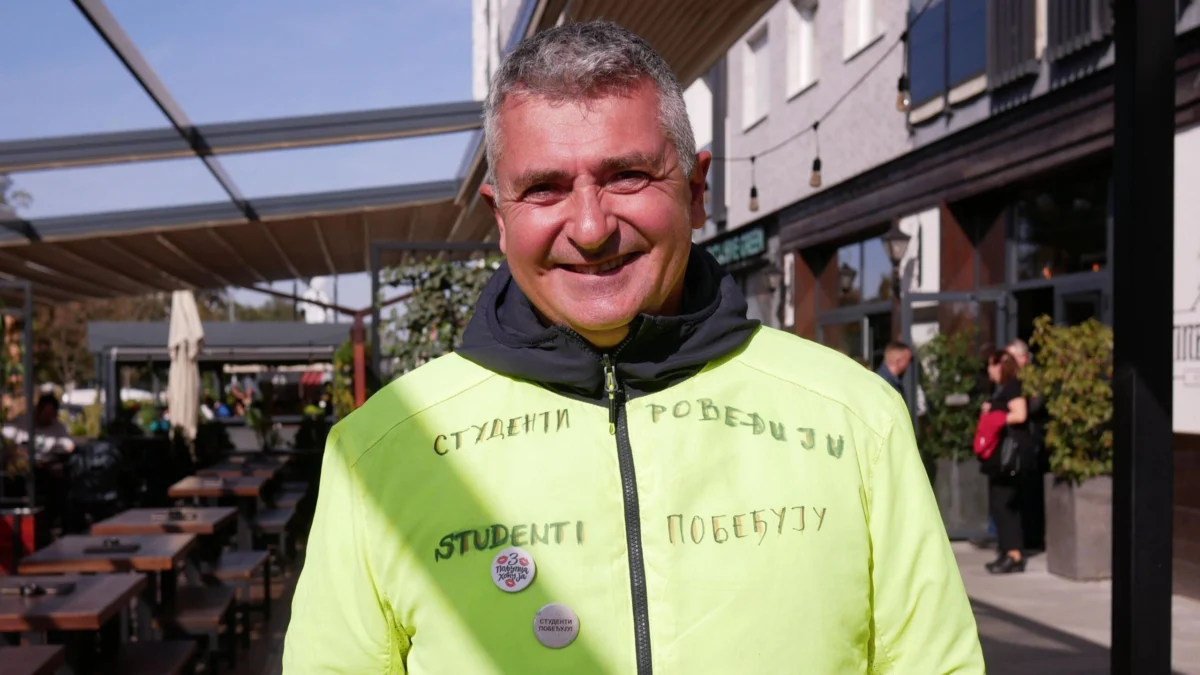
The Student List’s lead candidate, Ilija Srdanović, a figure who has rapidly emerged from relative obscurity to represent a potent force for change, declared with unbridled optimism to BBC Serbian, "This will be a free state." This declaration encapsulates the aspirations of a movement that has positioned itself as a bulwark against what it describes as an entrenched system of corruption and a creeping authoritarianism. Srdanović articulated the movement’s core mission, stating that the anti-corruption movement, which has successfully coalesced anti-government sentiment from a broad spectrum of Serbian society, hopes to "free the country from tyranny."
Vučić made his concession speech from the formidable headquarters of his Serbian Progressive Party (SNS) in the capital, Belgrade. The announcement was met with an eruption of jubilation on the streets of the city, as thousands of jubilant citizens poured into the squares and avenues, their faces illuminated by the glow of impromptu celebrations. The air thrummed with the rhythm of dancing, the insistent chorus of chants proclaiming "victory," the cacophony of car horns, and the dazzling spectacle of fireworks painting the night sky. "Serbia is free," exclaimed one young student, his voice thick with emotion, as he spoke to the BBC, his sentiment echoing a widespread feeling of profound relief and disbelief: "It’s a miracle."
The vibrant epicenter of the celebrations was not confined to the capital. The center of Novi Sad, the northern Serbian city that served as the initial spark for the student-led protests, was a sea of people. David Vasić, a participant in the jubilant crowds, shared his hopeful outlook with BBC Serbian, stating, "Everything is going to get better now." This sentiment reflects a widespread belief that the election result heralds a significant departure from the status quo and a potential for positive transformation.
The Student List, characterized by its deliberately decentralized leadership and the relative inexperience of its members in the cutthroat world of Serbian politics, has proven remarkably adept at attracting a diverse coalition of anti-government voters from across the nation. Their strategic decision to field candidates for the 250-member parliament transcended traditional party lines, drawing support from a broad cross-section of Serbian society. Their ranks included respected professionals such as doctors, acclaimed actors, esteemed academics, and celebrated sports personalities, lending an air of credibility and broad appeal to their burgeoning political force.
The anti-corruption movement’s campaign manifesto was a direct indictment of the existing political order, outlining a clear agenda for reform. Key planks of their platform included the rigorous purging of officials found to have broken rules, particularly those involved in suppressing protests; a decisive crackdown on the practice of appointing party loyalists to lead public enterprises; and a commitment to liberating the public broadcaster from the pervasive influence of political control. These proposals resonated deeply with voters who felt disenfranchised and disillusioned by years of alleged malfeasance and partisan favoritism.
Despite the overwhelming evidence of public sentiment, Vučić and the SNS party have consistently and vehemently denied allegations of corruption, often portraying such accusations as politically motivated attacks. Vučić, a seasoned politician who has masterfully balanced Serbia’s aspirations for European Union membership with a steadfast refusal to impose sanctions on Russia following its full-scale invasion of Ukraine, had also presented his own set of policy promises. These included pledges to increase pensions and public sector salaries, alongside a commitment to bolster investment in the state healthcare system, aiming to assuage concerns about economic stability and social welfare.
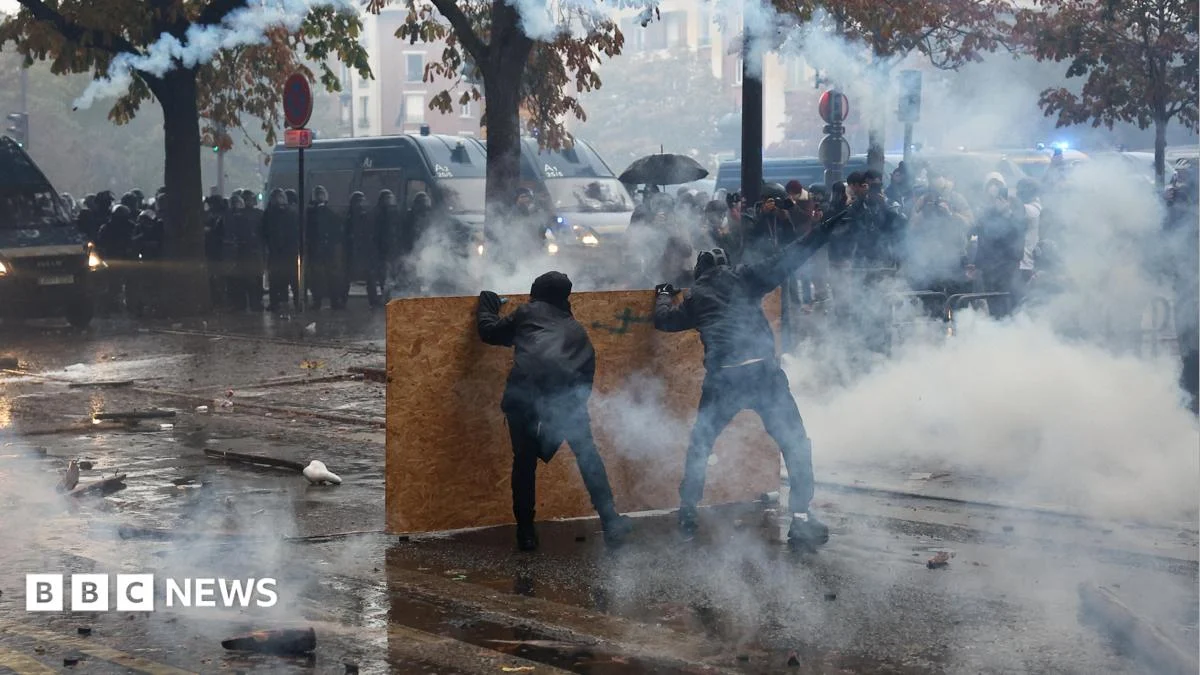
Preliminary figures released by Serbia’s election commission indicated a record-breaking turnout, a testament to the high stakes and intense public engagement surrounding the election. By 18:00 local time (17:00 GMT), with two hours still remaining before polls were scheduled to close, an impressive 64.9% of eligible voters had cast their ballots. Throughout the day, long queues snaked outside polling stations in cities and towns across Serbia, a clear visual representation of the deep-seated desire for political change. This electoral fervor extended beyond Serbia’s borders, as significant numbers of Serbian expatriates participated in the democratic process. Long lines were observed outside polling booths in countries with substantial Serbian communities, including Slovenia’s capital, Ljubljana; Munich, Germany; and the American cities of Los Angeles and Chicago. In Paris, France, Serbian voters braved heavy rain to cast their ballots, underscoring the global reach of the election’s significance.
The election unfolded against a backdrop of heightened tensions across Serbia. Security measures were visibly intensified, with police cordoning off streets in the vicinity of the Republic Electoral Commission (RIK) in Belgrade, reflecting the charged atmosphere and the potential for public demonstrations. The concession by President Vučić, therefore, represents not just a shift in political power but a profound moment of democratic expression for a nation seeking a new direction. The victory of the Student List, a testament to the power of grassroots activism and a rejection of entrenched political norms, signals a compelling new chapter in Serbia’s ongoing journey. The coming months will be critical as the nation grapples with the implications of this historic electoral outcome and the challenges of forging a more transparent and accountable future.


 Nakalama John
 Ramos Leo
 atisusanti

 Roy Suryo
