
 George Anjay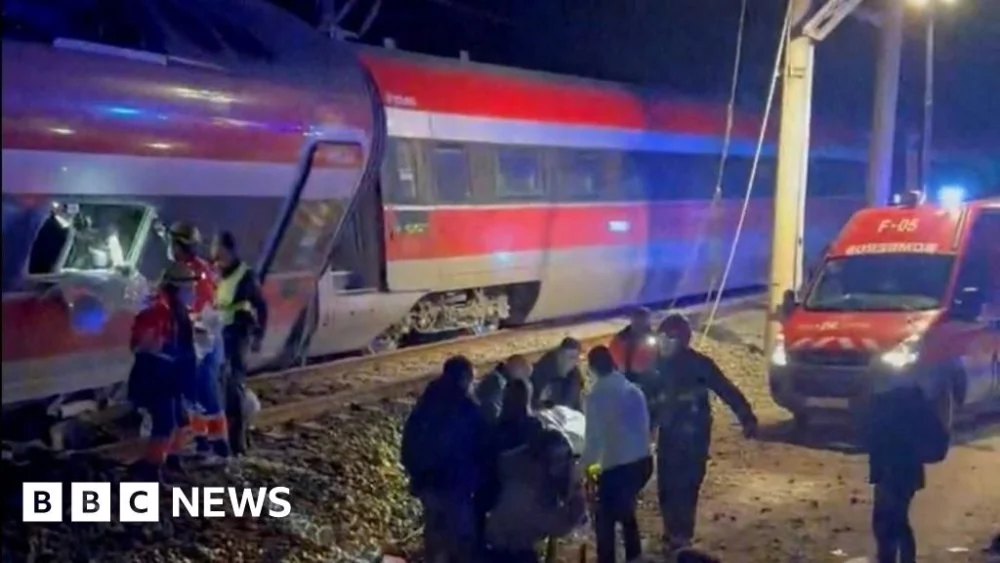
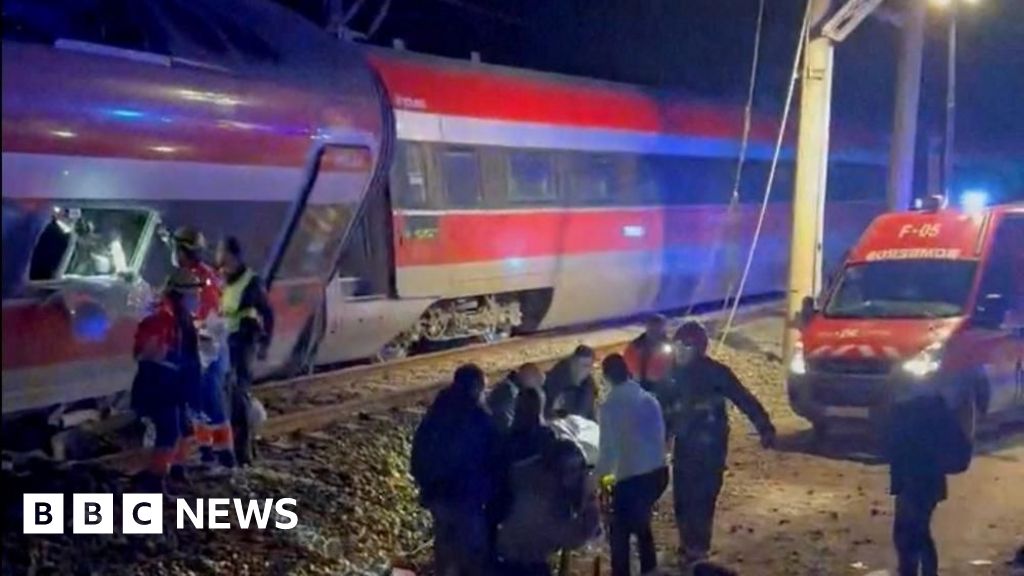
At least 21 people have been killed and dozens more injured following a catastrophic collision between two high-speed trains in southern Spain on Sunday evening, officials have confirmed. The devastating incident occurred near the rural town of Adamuz, a municipality within the province of Córdoba, a region renowned for its picturesque landscapes and rich history. The tragedy unfolded when a high-speed train, identified as operating on the popular route from Málaga to Madrid, veered off its designated path and derailed violently onto a parallel track. This catastrophic derailment placed it directly in the path of an oncoming high-speed train traveling in the opposite direction, from Madrid towards the western Andalusian city of Huelva. Rail network operator Adif, the state-owned company responsible for managing Spain’s railway infrastructure, immediately confirmed the severity of the collision.
The Andalusian emergency services have reported that a minimum of 73 individuals sustained serious injuries in the impact. Rescue crews, working tirelessly through the night and into the early hours of Monday, have been engaged in the harrowing task of extricating individuals trapped within the mangled wreckage of the derailed carriages. The scene has been described by first responders as one of utter devastation, with twisted metal and debris scattered across a significant area. The human cost of this disaster is still being fully assessed as medical facilities in Córdoba and surrounding towns have been overwhelmed with casualties.
According to Adif, the fatal crash occurred approximately ten minutes after the Málaga-bound train had departed from Málaga María Zambrano station at 18:40 local time (17:40 GMT). The company, in a swift and compassionate response, announced the establishment of dedicated spaces for relatives of the victims at major railway stations across the country, including Atocha in Madrid, Sevilla Santa Justa, Córdoba Central, Málaga María Zambrano, and Huelva. These centres are intended to provide support, information, and a place for grieving families to gather. In the immediate aftermath of the accident, all rail services connecting Madrid with the autonomous community of Andalusia were suspended indefinitely. Adif has pledged to keep terminals open overnight for impacted passengers, offering shelter and assistance as alternative travel arrangements are made.
Iryo, a private rail operator that was operating the ill-fated journey from Málaga, confirmed the derailment and provided an estimate that approximately 300 passengers were on board the two trains at the time of the collision. This number underscores the scale of the tragedy and the potential for a high casualty count. The company has expressed deep sorrow and is cooperating fully with the ongoing investigation into the cause of the accident.
The gravity of the situation was underscored by a statement from Spain’s King Felipe VI and Queen Letizia, who declared they were following news of the disaster with "great concern." In a poignant message released by the royal palace on the social media platform X (formerly Twitter), the monarchs extended "the most heartfelt condolences to the relatives and loved ones of the dead, as well as our love and wishes for a swift recovery to the injured." This message reflects the national shock and grief that has enveloped Spain in the wake of the tragedy.
Salvador Jimenez, a journalist with RTVE, the Spanish public broadcaster, who was a passenger on one of the affected trains, provided a harrowing firsthand account of the moments leading up to and immediately after the crash. He described the impact as feeling like an "earthquake." Jimenez, who was in the first carriage of his train, recounted, "There was a moment when it felt like an earthquake and the train had indeed derailed." His subsequent update on X painted a grim picture of the aftermath, describing himself and other passengers waiting in the "freezing cold night" for buses to transport them to a local sports centre that had been repurposed as a temporary shelter and aid station. The stark contrast between the modern efficiency of high-speed rail travel and the brutal reality of the disaster was evident in his account.
In response to the crisis, Spain’s Prime Minister, Pedro Sánchez, stated that the government was working closely with emergency services to provide all necessary assistance to those affected by the crash. He assured the public that every effort was being made to manage the situation and support the victims and their families. Complementing this, the Andalusian regional president, Juanma Moreno, expressed his profound concern and solidarity with the victims and their families, vowing to mobilize all regional resources to aid in the recovery and investigation efforts.
The exact cause of the derailment remains under intense investigation. Preliminary reports suggest a potential issue with the track or signaling system, but authorities have been careful not to speculate prematurely. The investigation will likely involve a thorough examination of the train’s operational data, maintenance records, and the condition of the track at the point of impact. The Spanish railway system, particularly its high-speed AVE network, is generally considered to be very safe, making this incident all the more shocking and prompting urgent questions about how such a catastrophic event could have occurred. The terrain in the area of Adamuz is characterized by rolling hills and agricultural land, with the railway line cutting through this landscape. The derailment has caused significant disruption to travel and freight services across a large swathe of southern Spain.
The high-speed rail network in Spain has been a symbol of the country’s modernization and economic development over the past few decades. The AVE (Alta Velocidad Española) system connects major cities across the Iberian Peninsula, offering a fast and efficient alternative to air travel. The collision has cast a shadow over this impressive infrastructure and raised concerns about the safety protocols in place. Experts will be looking at whether any specific factors, such as human error, mechanical failure, or environmental conditions, contributed to the tragedy. The investigation is expected to be protracted, involving multiple agencies and technical experts.
The scale of the casualties has led to an outpouring of sympathy and support from across Spain and internationally. Social media has been flooded with messages of condolence and offers of help. The incident serves as a stark reminder of the inherent risks associated with any form of mass transportation, even in technologically advanced systems. The focus now remains on the ongoing rescue and recovery operations, providing support to the injured and bereaved, and meticulously investigating the cause of this devastating accident to prevent similar tragedies in the future. The resilience of the Spanish people will undoubtedly be tested as they come to terms with this profound loss. The full impact of this disaster on the nation’s perception of its high-speed rail network will likely unfold in the coming weeks and months, as more details emerge and the investigation progresses. The image of the mangled train carriages, captured in aerial footage and photographs, has become a somber symbol of this tragic event.




 Roy Suryo

 Nakalama John
 atisusanti
 Ramos Leo
