George Anjay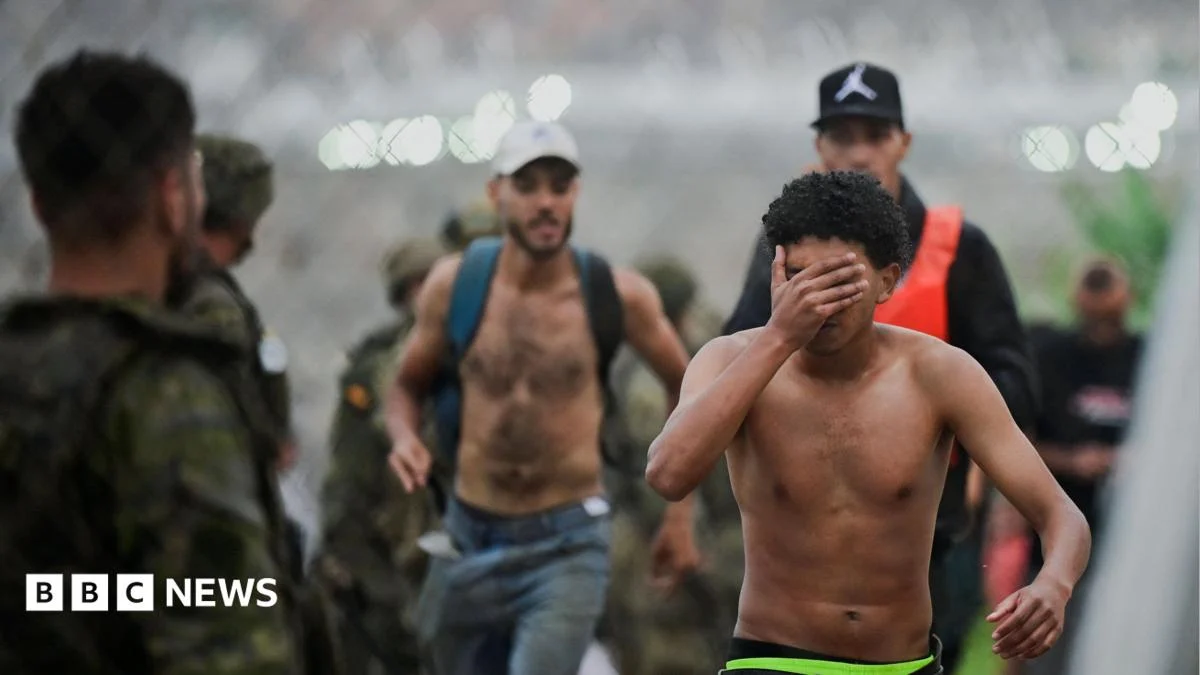
The deluge of arrivals is particularly striking given the population density of Ceuta. With an estimated 49,000 migrants entering in the span of roughly 24 hours, this represents an almost unimaginable scenario for the small, geographically constrained territory. For context, if these figures are accurate, it would mean that the number of new arrivals could nearly double the resident population of Ceuta, placing immense strain on all aspects of its infrastructure, social services, and governance. This situation underscores the severe humanitarian and logistical challenges that arise when such a large number of people arrive in a confined space with limited resources.
Among the vast number of individuals who crossed illegally into the Spanish territory, officials have stated that at least 7,000 are minors. This figure highlights the vulnerability of a significant portion of the migrant population and adds another layer of complexity to the immediate response and long-term management of the crisis. The presence of unaccompanied minors, in particular, raises urgent concerns regarding their safety, well-being, and the provision of appropriate care and protection services. International conventions and national laws mandate specific protections for children, and their large number necessitates a highly sensitive and coordinated approach.
In response to the crisis, Spain’s interior ministry has emphasized its commitment to working collaboratively with Moroccan authorities to ensure the swift return of all individuals who entered illegally into Spanish territory. This statement signals an intention to leverage diplomatic channels and existing agreements to manage the situation, aiming to repatriate those who do not qualify for asylum or other forms of legal residency. The effectiveness and pace of these return operations will be a critical factor in determining the immediate impact on Ceuta and the broader implications for Spain’s immigration policy.
If the official estimates of 49,000 are confirmed, this would mark the largest single influx of migrants into Ceuta since May 2021. In that earlier event, over 10,000 people managed to enter the city, which was at the time considered an extraordinary and alarming occurrence. The current figures dwarf that previous record, suggesting a significant escalation in migration pressures and potentially a shift in the methods or routes employed by migrant smugglers and the migrants themselves. This historical comparison underscores the severity and scale of the current crisis, presenting a challenge that far surpasses previous incidents.
The gravity of the situation has prompted an immediate high-level political response. Spanish Prime Minister Pedro Sánchez is scheduled to visit Ceuta on Friday, a testament to the national importance of the unfolding events. His visit is expected to involve assessments of the security situation, discussions with local officials about immediate needs, and potentially announcements regarding further government actions and resource allocations. The Prime Minister’s presence signals that the Spanish government views this as a critical national security and humanitarian issue requiring direct presidential attention.
The geographical position of Ceuta and Melilla as European territories on the African mainland makes them unique and often vulnerable points of entry into the European Union. Bordered entirely by Morocco, these enclaves have long been magnets for migrants seeking to reach Europe, often undertaking perilous journeys to escape poverty, conflict, and persecution in various African nations. The proximity to sub-Saharan Africa, coupled with the perceived opportunities in Europe, creates a persistent migratory pressure on these Spanish outposts.
The breakdown of border controls, as suggested by the chaotic scenes, points to a potential lapse in surveillance or a coordinated effort by smugglers to overwhelm the existing security apparatus. Factors contributing to such a breakdown could include the sheer number of individuals attempting to cross simultaneously, the tactics employed by those facilitating the crossings, and the capacity of the border forces to manage such a surge. The apparent success of such a large-scale breach raises questions about the effectiveness of current border management strategies and the need for enhanced resources and intelligence sharing.
The presence of armed forces signifies a heightened state of alert and a recognition of the security implications of such a mass incursion. While the primary goal is to restore order and control, the deployment of military personnel also serves as a deterrent and a means to manage the immediate aftermath of the crossings. The involvement of the military in border security is often a last resort, indicating the extreme nature of the challenge faced by civilian authorities.
The long-term implications of this event are far-reaching. It will undoubtedly reignite debates about European migration policies, border security, and the distribution of responsibilities among EU member states. The humanitarian aspect of caring for tens of thousands of new arrivals, including thousands of children, will require significant resources and international cooperation. Furthermore, the relationship between Spain and Morocco will be tested as they navigate the complexities of managing irregular migration flows and implementing return agreements.
The economic and social impact on Ceuta itself will be substantial. The enclave, with its limited resources, will face immense pressure on housing, healthcare, education, and social services. The influx could lead to increased competition for jobs and potentially exacerbate existing social tensions. The capacity of the local administration to cope with such an unprecedented demographic shift will be severely tested.
The role of international organizations, such as the UNHCR and the International Organization for Migration (IOM), will be crucial in providing humanitarian assistance, ensuring the protection of vulnerable individuals, and facilitating orderly returns where appropriate. Their expertise and resources can help mitigate the immediate suffering and contribute to more sustainable solutions.
The situation also raises questions about the underlying causes of migration. The continued flow of people towards Europe, often through dangerous routes, highlights ongoing issues of instability, conflict, and lack of economic opportunity in many parts of Africa. Addressing these root causes is essential for any long-term strategy to manage migration effectively and humanely.
The events in Ceuta are a stark reminder of the persistent and evolving challenges of global migration. The scale of this latest influx underscores the need for a comprehensive and coordinated approach that addresses security concerns, humanitarian needs, and the underlying drivers of migration. The coming days and weeks will be critical in determining how Spain and the international community respond to this unprecedented crisis. The narrative surrounding this event will likely shape future policy discussions and humanitarian efforts related to migration into Europe.




 Nakalama John
 Ramos Leo
 Nana Banana