
 Nana Banana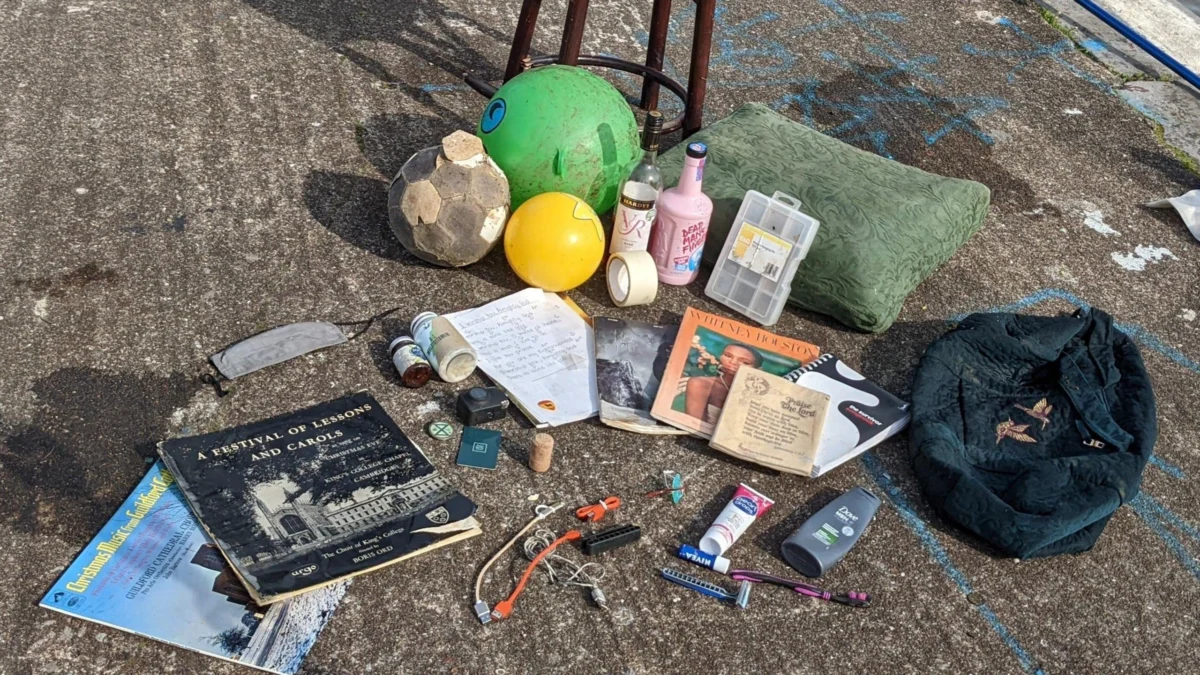
Founder and long-time Bristol resident, Chloe Juyon, encapsulated the unpredictable nature of their mission with a smile: "You never quite know what you’re going to pull out of Bristol Harbour." Indeed, the logbooks of Clean Up Bristol Harbour read like a curious inventory of forgotten, discarded, or simply lost treasures. Beyond the expected plastic bottles and food wrappers, volunteers have retrieved a message in a bottle containing a cryptic note written in Spanish, various kitchen appliances like a kettle, countless tennis balls, discarded pairs of glasses, and a perplexing number of single shoes. The inflatable doll and the high-tech Nintendo Switch stand out as particularly memorable, offering fleeting glimpses into the diverse lives of Bristolians and the harbour’s role as an unwitting repository for their belongings.
While some finds undoubtedly elicit laughter and head-scratching wonder, Juyon is quick to underscore the serious environmental imperative behind every clean-up operation. "Some of the things we’ve found over the years have definitely made us laugh but there is a serious point behind it," she explained. The reality is that much of the floating rubbish in the harbour simply cannot be reached from the banks, making the on-water efforts of volunteers absolutely crucial. "Getting volunteers onto the water was always a big part of what I wanted Clean Up Bristol Harbour to become," Juyon recalled, highlighting the strategic importance of engaging people directly with the water itself.

The inspiration for Clean Up Bristol Harbour struck Juyon when she was coxing on the River Avon at high tide and was dismayed by the sheer volume of detritus swirling around her boat. This pivotal moment sparked the initiative, which, from humble beginnings with just five participants at its inaugural clean-up in 2016, has grown into a formidable force for environmental good. Over the years, the project has found a supportive home with All Aboard Watersports, an adventure sports centre that provides essential logistical support and a base for operations.
The tangible impact of these efforts is impressive. Between 2021 and 2023 alone, a dedicated cohort of 236 volunteers diligently removed over 880 kilograms (approximately 1,940 pounds) of waste from the harbour. Crucially, almost 390 kilograms (859 pounds) of this collected refuse was diverted from landfill and sent for recycling, demonstrating a commitment not just to removal, but to responsible waste management. The bulk of the collected items typically comprises everyday litter: plastic packaging, discarded bottles and cans, polystyrene fragments, and ubiquitous takeaway rubbish. However, the more peculiar finds paint a vivid picture of urban life intersecting with the natural environment. Among these are countless Nespresso capsules, an abundance of alcohol bottles, bright plastic cones, and various items of clothing – including thermal wear still sealed in its original packaging. Perhaps one of the most unexpected discoveries was a packet of butcher’s tripe mix, leaving volunteers to ponder its journey into the harbour depths.
One particularly fascinating historical artifact retrieved was a Marathon-branded chocolate wrapper. For those unfamiliar with British confectionery history, Marathon was the original name for what is now known as Snickers in the UK, a change that occurred in 1990. Finding such an item not only speaks to the enduring nature of plastic pollution but also offers a quirky time capsule from the harbour floor, reminding volunteers of the long-term legacy of human waste.

Reflecting on the group’s ten-year anniversary, Juyon expressed immense pride in its evolution. "There were just five of us at that first clean-up in 2016," she remembered. "I stepped away from running the project several years ago, so seeing it reach its tenth birthday is quite amazing. For me, it really demonstrates the power of community." This sentiment is echoed by the volunteers who dedicate their time, braving all weather conditions to paddle kayaks, canoes, and even larger boats, meticulously fishing out rubbish that would otherwise continue to harm the ecosystem. The camaraderie among volunteers, the shared purpose, and the immediate visual impact of their work fosters a strong sense of community and achievement.
The positive ripple effects of a cleaner harbour extend far beyond mere aesthetics. Charley Peak-Payne from All Aboard Watersports enthusiastically noted the profound influence on both human recreation and the natural world. "The direct effect it has had on wildlife has been a gradual but noticeable change," he stated. A cleaner environment means reduced risks of entanglement and ingestion for local bird species, fish, and other aquatic life. Furthermore, the improved water quality has opened up new possibilities for human engagement with the harbour. "The water that they are swimming in is considerably cleaner – to the point that we are now running swimming events in the harbour too, something that due to pollution would never have happened 10 years ago," Peak-Payne proudly revealed. This transformation from a polluted waterway to a venue safe for open-water swimming events stands as a powerful testament to the group’s enduring success and the dramatic ecological recovery it has helped facilitate.
Bristol Harbour itself boasts a rich and storied history, transitioning from a bustling industrial port to a vibrant leisure and residential hub. This evolution means that maintaining its cleanliness is not just an environmental imperative but also crucial for the city’s identity and economy. The efforts of Clean Up Bristol Harbour contribute directly to preserving this unique urban waterfront, ensuring it remains a beautiful and functional space for all.

However, despite these celebrated achievements, the future of the project hangs in the balance. The current funding for Clean Up Bristol Harbour is unfortunately coming to an end, casting a shadow of uncertainty over its continued operations. To ensure this vital work can carry on, All Aboard Watersports has launched a Crowdfunder bid, aiming to raise an initial £5,000. This crucial funding will enable the group to cover essential operational costs, including maintaining their fleet of boats, purchasing necessary safety equipment for volunteers, coordinating clean-up events, and most importantly, ensuring the responsible disposal and recycling of the collected waste. The need for sustained support is critical, as pollution remains an ongoing challenge, driven by both accidental littering and items washed into the harbour from the wider river system.
To mark their tenth anniversary and simultaneously galvanise support, Clean Up Bristol Harbour will host a special community clean-up event later this year, coinciding with World Cleanup Day. Members of the public are invited to participate in a self-guided litter pick between 10:00 and 12:00 BST, either by walking around the harbourside or by using their own watercraft to tackle the floating debris. Such events are not only practical for rubbish removal but also serve to raise awareness and foster a sense of collective responsibility for the environment.
The story of Clean Up Bristol Harbour is a compelling narrative of community action, resilience, and the profound impact a dedicated group of volunteers can have. From retrieving bizarre objects that spark amusement and curiosity, to creating a tangible positive change in the health of an urban waterway, the group embodies the power of local initiatives in tackling global environmental challenges. As they celebrate a decade of dedication, their plea for continued funding is a stark reminder that while the odd finds may bring a smile, the serious work of protecting our planet’s precious ecosystems is far from over.




 Roy Suryo
 Nakalama John
 George Anjay