Nakalama John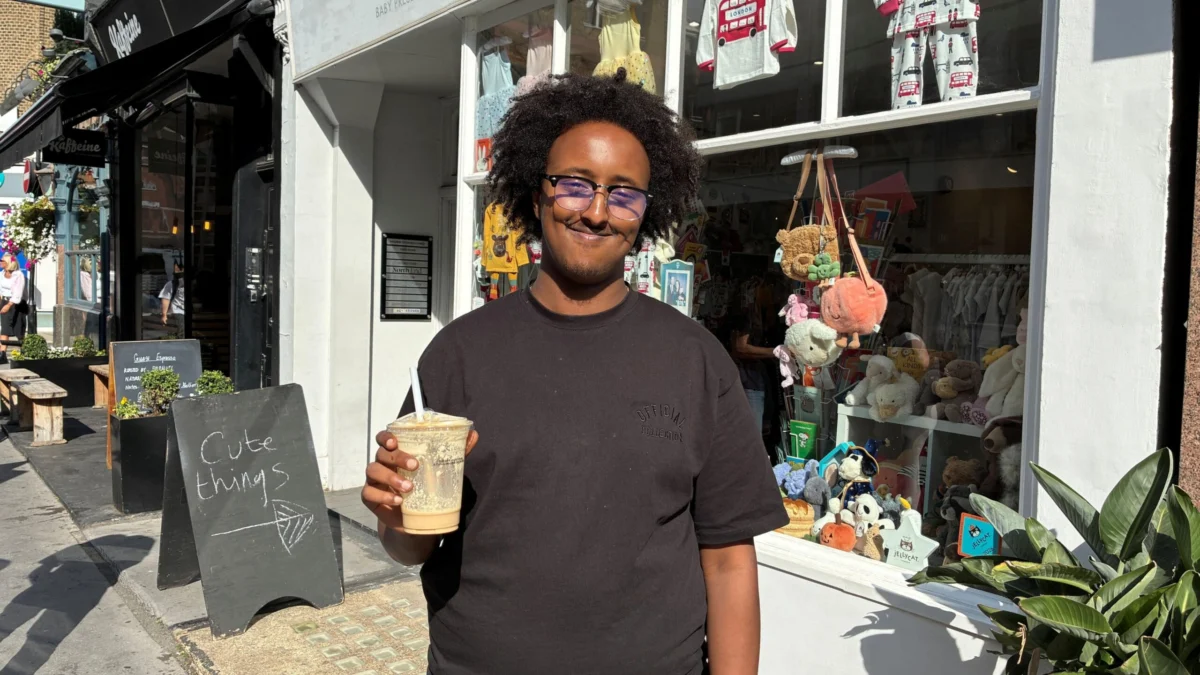
Wehniainen, whose initial video sparked the controversy, directly addressed her Gen Z job candidates, cautioning against appearing "all casual with an iced coffee." Her primary concern was not the drink itself, but the perception it creates: "it just looks like you didn’t have time to finish your coffee beforehand," she explained. This seemingly innocuous detail, she argued, could inadvertently signal to an interviewer that the meeting is merely "just a stop on your list of errands for the day," rather than a paramount commitment. The implication is clear: a lack of foresight or respect for the gravity of the occasion.
This perspective resonated deeply with a segment of the online community who view arriving with an iced matcha latte or similar casual drink as a "cardinal sin." For them, it represents a breach of established professional etiquette, suggesting an informality that borders on disrespect. Critics argue that an iced coffee can be a distraction – the clinking of ice, the condensation on the cup, or the need to find a place to set it down can all detract from a candidate’s focus and the interviewer’s attention. In a high-stakes environment where every detail is scrutinized, such seemingly minor elements can, according to this school of thought, convey a lack of seriousness or preparation. The message, intentional or not, could be that the candidate is not fully invested in making the best possible impression.
However, a significant counter-movement quickly emerged, dismissing Wehniainen’s warning as an overreaction. Many argue that such a focus on superficial details distracts from the far more pressing challenges young people face in a fiercely competitive job market. In a subsequent LinkedIn post, Wehniainen herself clarified her stance, stating, "I was never saying that bringing coffee makes someone a bad candidate. My point was simply about avoiding distractions." This nuance, however, was often lost in the broader discussion, which quickly veered into a debate about authenticity versus conformity and whether outdated corporate stigmas still hold relevance. For this group, judging a candidate based on their beverage choice is an unfair and unnecessary barrier to entry, especially when securing an interview itself is often an arduous task.
The debate finds practical expression in individual anecdotes. Hanad, a 28-year-old working for an energy supplier in London, firmly aligns with the traditionalist view. "A job interview is all about first impressions," he asserts. "Anything can deter the employer from employing you." For Hanad, an iced coffee carries specific connotations: "Iced coffee is something a lot of teens drink… it would look immature and too informal." He extends this reasoning to energy drinks, which he would also avoid, while deeming water or a hot coffee acceptable – the latter perhaps implying a more ‘adult’ or traditional choice. His perspective underscores the belief that certain items carry cultural weight that can inadvertently prejudice an interviewer.

In stark contrast, Hanad’s 24-year-old colleague, Tsvetina, champions a more progressive viewpoint. She believes judging a potential employee by their drink or even their dress code is an anachronism. "I think we should be moving away from these traditional corporate stigmas. What matters is what the person is actually communicating during the interview," she argues. Tsvetina’s stance reflects a growing desire among younger generations for workplaces that value substance over superficiality, where merit and actual communication skills take precedence over adherence to arbitrary rules of decorum.
Aisha, also 28, offers a nuanced take, suggesting that an iced coffee could even be a positive signal. "I think it shows that I have come early enough to get iced coffee," she explains, subtly reframing the act as a demonstration of punctuality and preparedness rather than casualness. While she draws a line at "fizzy drinks," she believes that showing personality can help a candidate "stand out from other people who are coming [applying] for the job," suggesting a deliberate strategy to differentiate oneself in a crowded market. This perspective highlights a generational shift towards valuing authenticity and individual expression, even in formal settings.
Adding another layer to the discussion, Katy, a 25-year-old personal assistant in events, perceives a potential gender bias in the controversy. While she personally wouldn’t bring an iced coffee to an interview, she views the heated debate as "a bit sexist, because it’s usually girls who drink iced coffee." She provocatively suggests, "If it was a hot coffee, which is more masculine, there wouldn’t be a discourse about that." Katy’s observation points to deeper societal biases that can subtly influence perceptions of professionalism, hinting that certain preferences or habits associated with women might be scrutinized more harshly than those associated with men.
This debate unfolds against a backdrop of significant challenges for young job seekers. The UK has seen graduate vacancies almost halve in the past year, a stark indicator of employers cutting entry-level roles due to rising costs and a growing reliance on AI. Approximately one in eight individuals aged 16-24 are classified as "Neets" (Not in Education, Employment or Training), reflecting a persistent struggle for integration into the workforce. Similarly, young workers in the US are grappling with a tight jobs market, experiencing slowing hiring rates. In such a competitive landscape, the pressure on young candidates to avoid any perceived misstep, however minor, is immense, making every detail feel critical.
Recruitment experts offer varied perspectives, reflecting the complexity of the issue. Lucy Cooper, founder of Spark, a design and branding recruitment company in London, notes the extreme difficulty of her industry. She hasn’t encountered Gen Z candidates willing to risk bringing an iced coffee. In her view, such an act could make a candidate "seem too relaxed and a little bit flippant, like you’re not taking it seriously enough, or you are interviewing the employer rather than the other way round." Cooper emphasizes that "people at junior level are very conscious about not doing anything that could jeopardise their chances," highlighting the cautious approach many young professionals adopt. She distinguishes, however, that accepting a coffee offered by the employer or drinking one during a video interview would be perfectly acceptable, suggesting the context profoundly alters the perception.

Dan Craddock, a director at Hays, advocates for employers to move beyond "snap judgements." He advises against "reading too much into a single item a candidate brings to an interview." For Craddock, the focus should remain on core competencies: "Whether that’s an iced coffee, a bottle of water or a notebook, employers are ultimately assessing the skills, experience and behaviours that will make someone successful in the role." His perspective champions a more holistic and merit-based evaluation, discouraging arbitrary disqualifiers.
Chris Mason, co-founder of Intelligent People, a specialist recruitment agency for the tech industry, echoes the sentiment that focusing on iced coffees "does seem to be an overreaction on the US recruiter’s part." While he advises candidates to "try to do everything possible to project the right image and attitude," he clarifies that issues like bringing snacks or "specialist drinks" might undermine the desired impression of being "serious and focused on the interview." Crucially, Mason points to what he considers the actual main issues among some younger candidates: "a lack of preparation, not being punctual, and not researching the role, organisation or interviewer." This distinction suggests that while perceived informality can be a factor, it pales in comparison to fundamental lapses in professional conduct.
The "Great Iced Coffee Debate of 2026" is more than just about a beverage; it’s a microcosm of a larger cultural clash over professionalism, authenticity, and generational expectations in the modern workplace. While the world of work is undoubtedly evolving, and casualization is becoming more prevalent, the interview remains a formal gateway. Navigating this landscape requires a delicate balance: demonstrating one’s personality and potential while still respecting the established, albeit shifting, codes of professional engagement. Ultimately, while an iced coffee might not single-handedly freeze someone out of a job, it certainly has the power to spark a heated discussion about what truly constitutes a winning first impression.



 George Anjay
 atisusanti
 Roy Suryo