George Anjay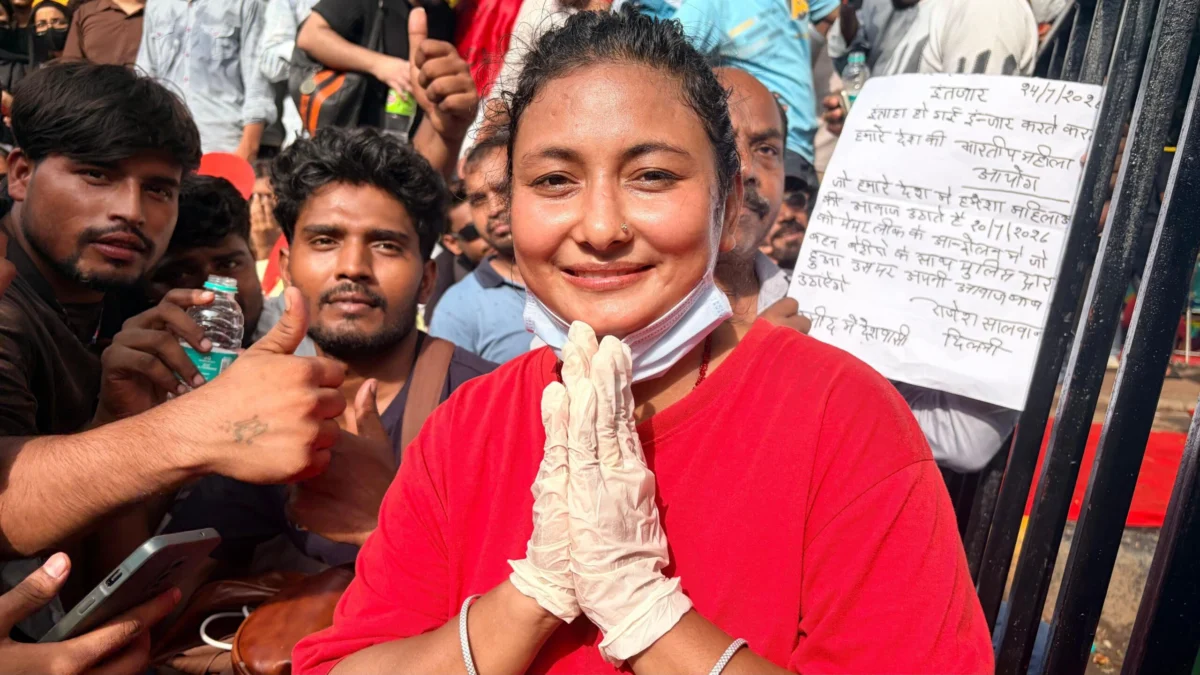
In a dramatic turn of events that has sent waves of jubilation across the nation, India’s "Cockroach Janta Party" (CJP), a powerful, albeit satirical, online movement, has officially called off its five-week-long protest. The announcement came mere hours after Union Education Minister Dharmendra Pradhan submitted his resignation, a move hailed by the CJP and its supporters as a monumental victory for democracy. Thousands of jubilant protesters, many of whom had been camping at Jantar Mantar, the iconic protest venue in Delhi, erupted in widespread celebrations, their long and arduous struggle culminating in a tangible political outcome.
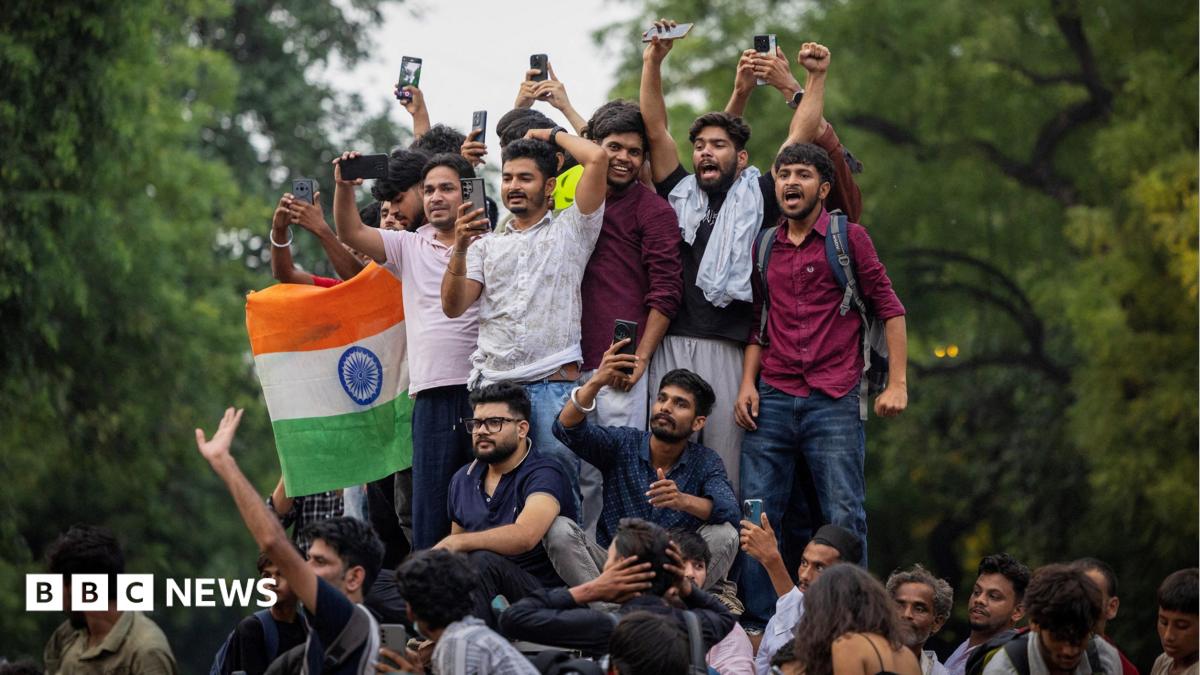
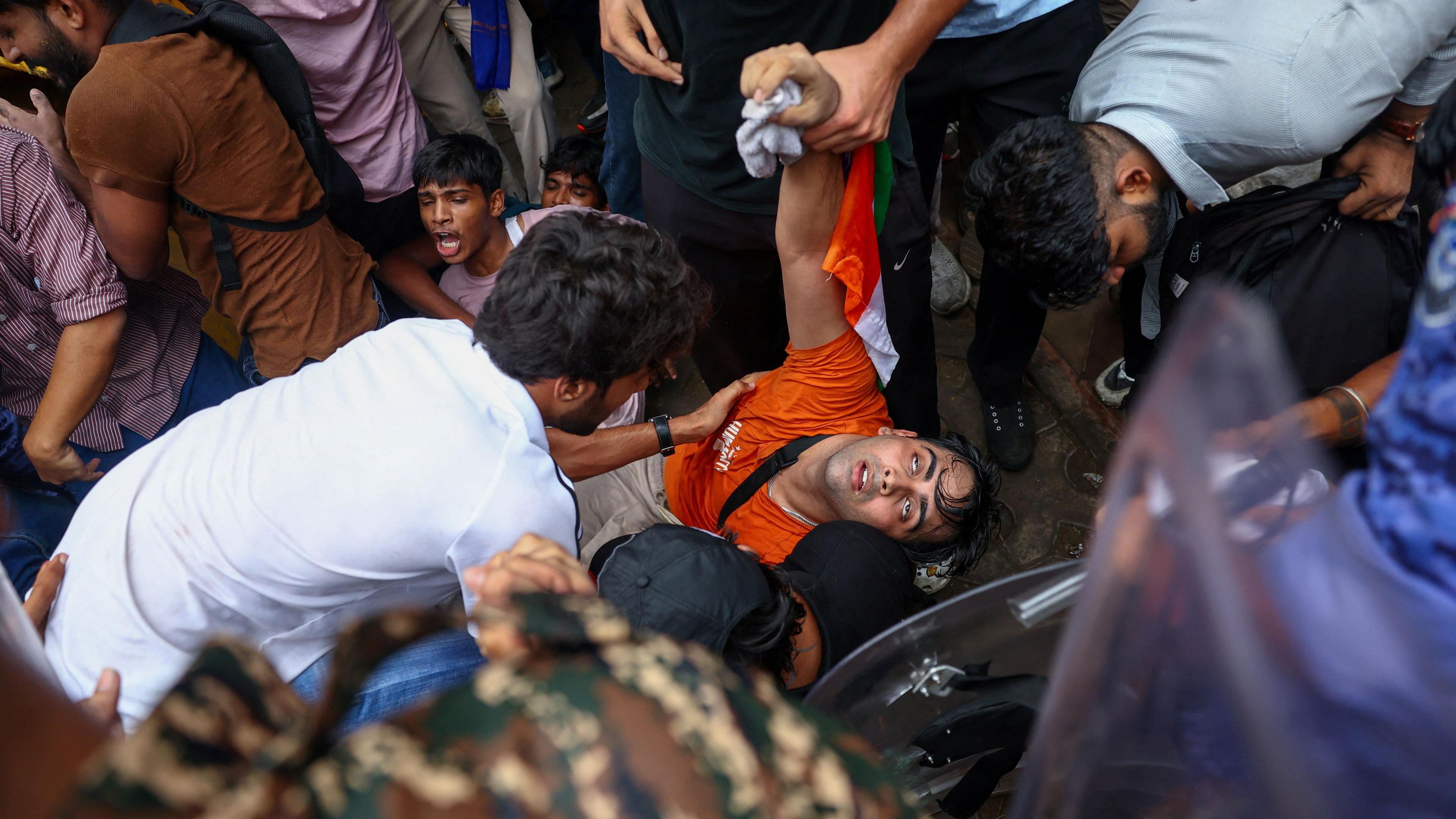
The CJP, far from being a conventional political party, has emerged as a potent and viral platform, harnessing the anxieties and frustrations of young India. Its distinctive mascot, an AI-generated cockroach, has become a symbol of defiance and resilience, resonating with millions who feel unheard and unrepresented. The protest, ignited by a series of perceived failures and injustices within the education system, particularly concerning exam paper leaks and the perceived lack of opportunities for young graduates, had become the most visible expression of public discontent against Prime Minister Narendra Modi’s government in recent years. The movement gained significant momentum following a police crackdown on protesters marching towards Parliament earlier in the week, an incident that left dozens injured and further fueled public outrage.
Dharmendra Pradhan, in a poignant post on X (formerly Twitter) written in Hindi, announced his decision to step down, stating his profound respect for the "aspirations, dreams, and expectations of the youth" and expressing his deep sorrow over the recent events. He articulated his resignation as a strategic move to prevent "anti-national forces from exploiting the situation," preserve national unity, and ensure that no Indian student’s future becomes entangled in legal complexities. His statement emphasized the need for students to focus on their studies and career development, implicitly acknowledging the pressure exerted by the CJP’s sustained campaign.
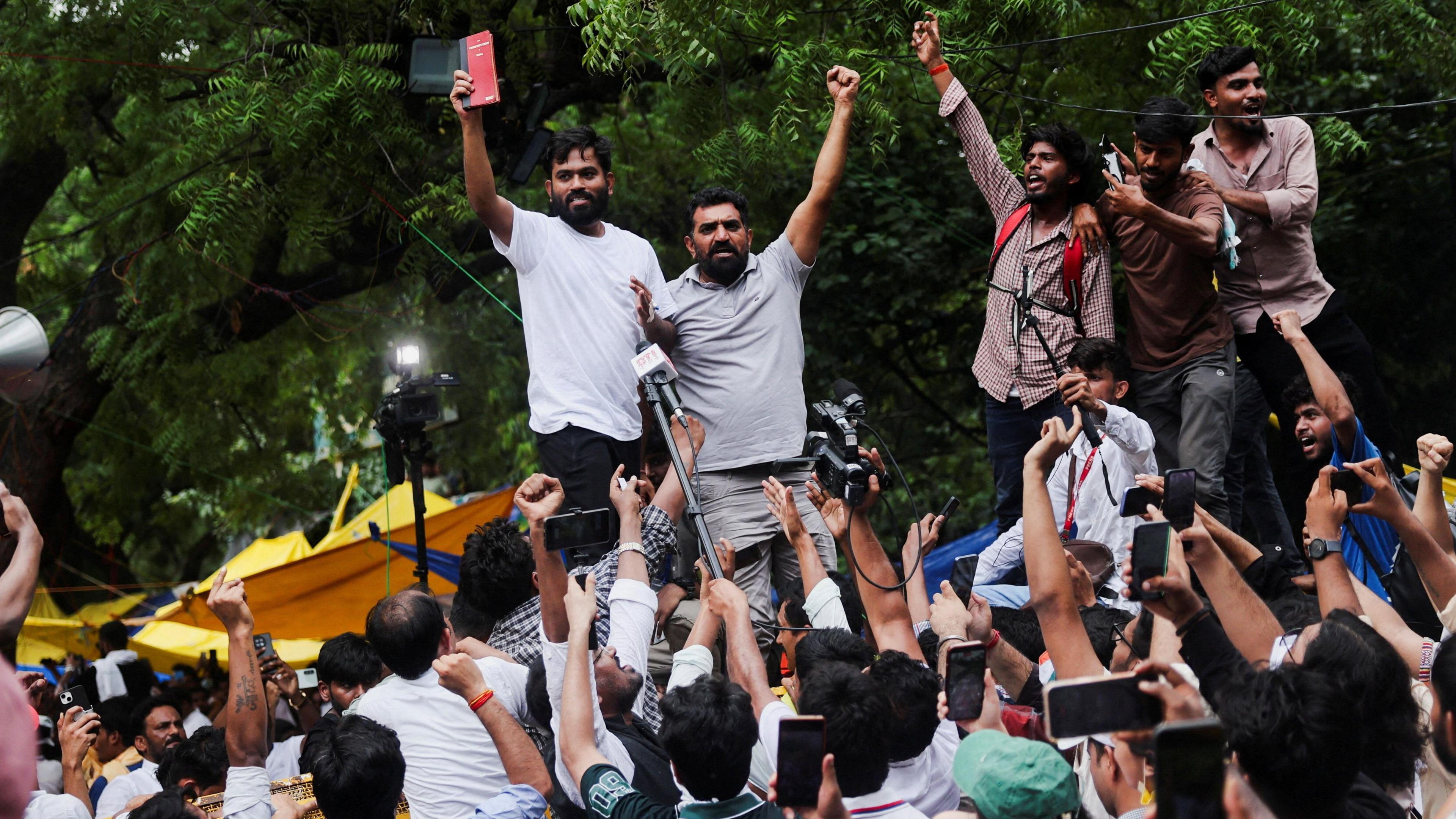
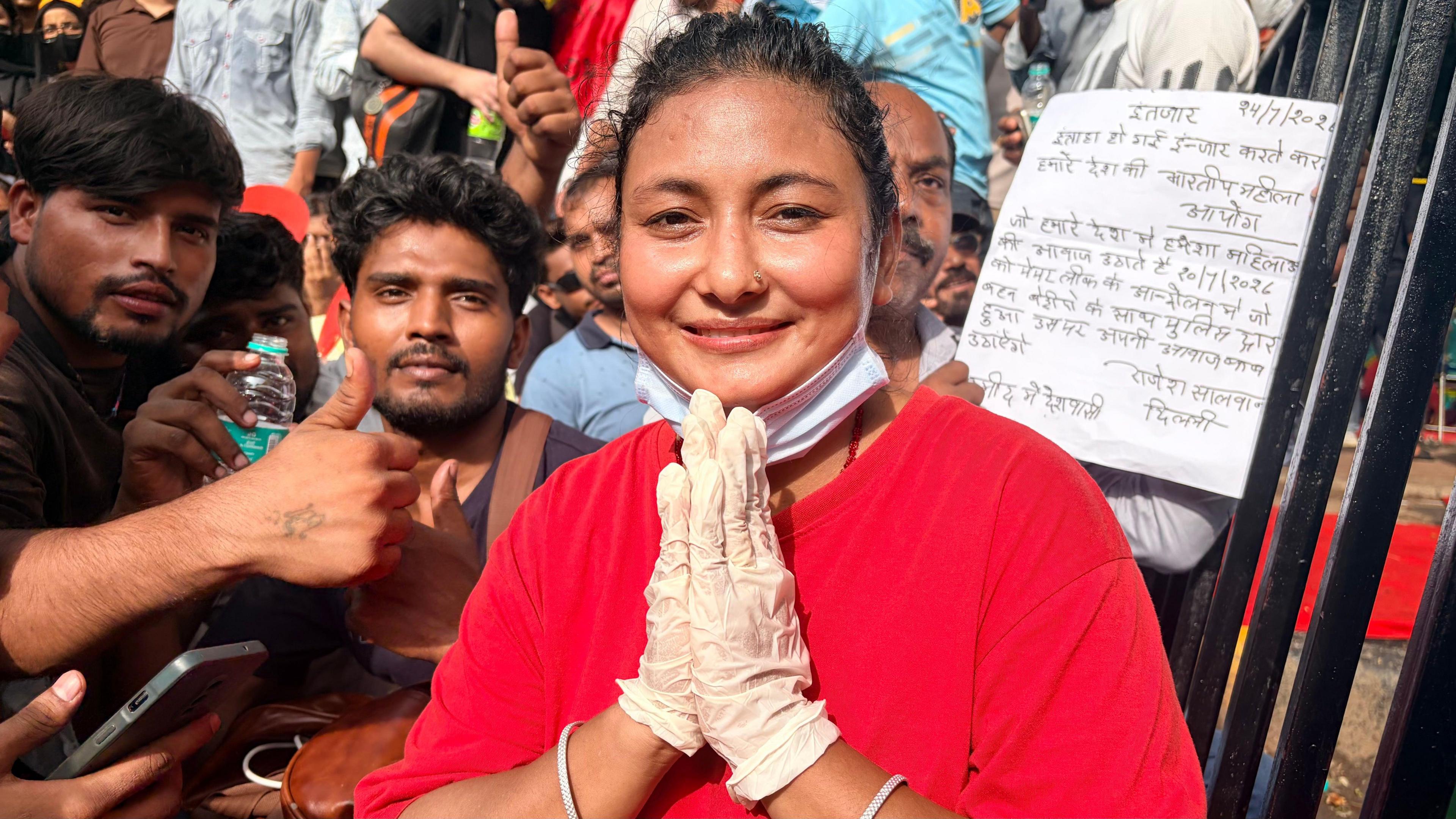
The moment Pradhan’s resignation became public, a visibly emotional Abhijeet Dipke, the founder of the CJP, proclaimed from the makeshift stage at Jantar Mantar, "We have done it." His declaration was met with an overwhelming roar of cheers, igniting widespread celebrations. Protesters, their faces illuminated with joy and relief, broke into songs, danced with abandon, and distributed sweets, a tangible manifestation of their collective triumph. Even hours after the CJP officially announced the cessation of their protest and its leaders departed, crowds continued to gather at the venue, the atmosphere thick with a sense of shared victory and community. Many attendees expressed that they had waited weeks for this day and were unwilling to let the celebration end prematurely. Volunteers diligently worked to manage the enthusiastic crowds, while a significant police presence maintained order, prepared to intervene only in the event of any legal breaches.
The genesis of the CJP lies in a controversial remark made by the Chief Justice of India, who, in a moment of exasperation, described some unemployed young people turning to journalism and activism as "cockroaches." While the Chief Justice later clarified that his comment was directed at individuals with "fake and bogus degrees," the term had already been seized upon by a disaffected populace, transforming a pejorative into a rallying cry. Abhijeet Dipke, a 30-year-old political communications strategist and a former student of Boston University, has been instrumental in leading this movement. Under his guidance, the CJP rapidly amassed a colossal online following, with its Instagram page alone boasting 26 million followers, effectively repurposing one of nature’s most reviled insects into a potent symbol of protest and resilience.
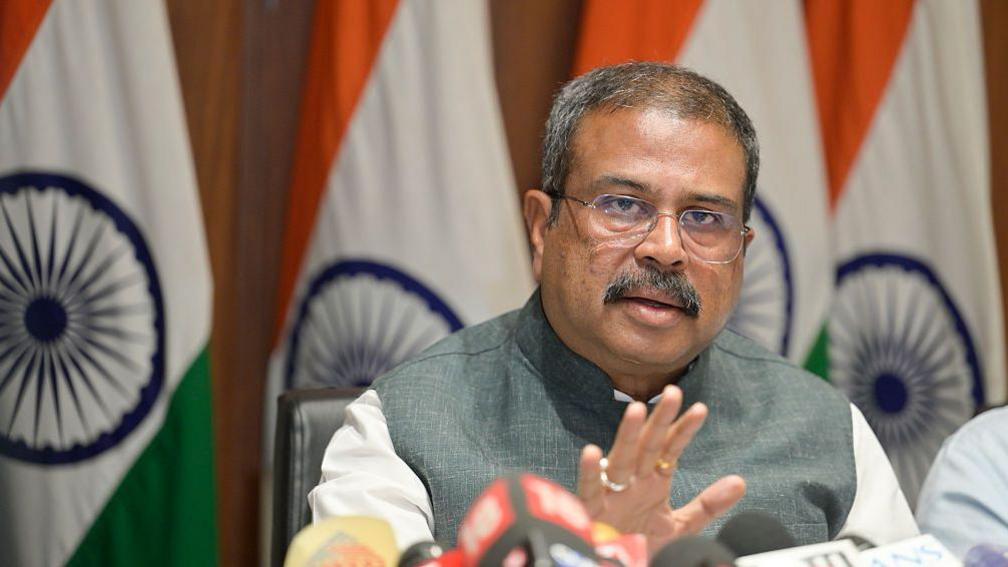
The CJP’s core demands centered on comprehensive reforms within India’s education system, greater accountability for the persistent issue of exam paper leaks, and, crucially, the resignation of Minister Pradhan. The movement’s visibility and impact were amplified when renowned activist and educationist Sonam Wangchuk joined the protest on June 28th, commencing an indefinite hunger strike in solidarity with the protesters’ demands. Wangchuk’s health deteriorated significantly during his fast, drawing increased national and international attention to the students’ plight. He was forcibly removed from the protest site by the police on the preceding Saturday and taken to the hospital, where he continued his fast. He finally called off his hunger strike early Friday morning after receiving assurances from the government that his demands would be addressed.
The protest garnered widespread support, with most of India’s major opposition political parties, numerous activists, and many celebrities visiting the protest sites to express their solidarity. On the ground at Jantar Mantar, a sea of posters and slogans vociferously targeted Prime Minister Modi. The BBC spoke with several individuals who revealed their disillusionment with the prime minister, having previously been supporters. "I used to support him when he used to do good things, but slowly I am realised that he is only dividing people on the basis of religion, and he’s not doing anything else," shared one protester, Radhika, encapsulating a sentiment echoed by many. On Saturday, opposition leaders unequivocally welcomed Pradhan’s resignation, with many characterizing it as a significant triumph for the youth-led movement.
While the explicit demand was for the education minister’s resignation, the broader impact of these protests has undeniably inflicted a severe blow to Prime Minister Modi’s carefully cultivated personal brand and his perceived aura of invincibility. The Modi government, since its ascent to power in 2014, has historically demonstrated little tolerance for dissent and has often responded to protests with a firm hand. This context makes Pradhan’s resignation a particularly noteworthy development in India’s political landscape. However, this is not the first time the government has faced widespread public outcry, nor the first time it has been compelled to backtrack on its policies. In 2021, the government repealed controversial agriculture laws following a year-long protest by farmers, a precedent that likely influenced the current situation.
The students’ protest has resonated deeply with a broad spectrum of middle-class India, transcending religious, caste, and sectoral divides. Participants have articulated widespread anger regarding the scarcity of educational opportunities and the persistent problem of unemployment in the country. Pressure on the government intensified dramatically after the violent crackdown on Monday, where police and paramilitary forces resorted to batons and wooden sticks, and deployed tear gas against the young demonstrators. Approximately 300 individuals were hospitalized, with police reporting that at least half of the injured were security personnel. Around 70 protesters were arrested, though most have since been released on bail.
After largely ignoring the protesters for nearly five weeks, Prime Minister Modi finally broke his silence on Thursday, announcing the government’s decision to establish fast-track courts to ensure "swift and stringent punishment for those involved in paper leaks." Later that evening, he posted a video message detailing the preparation of a stringent new law specifically targeting examination paper leaks, indicating his intention to introduce it in Parliament imminently. The government’s response, however, has been met with widespread mockery on social media, with many users flooding platforms with posts satirizing the prime minister. Modi’s videos, presumably intended to quell public anger, have instead been repurposed into jokes and memes.
Following Pradhan’s resignation, CJP founder Dipke issued a statement on X, asserting that the fight for justice is far from over. He pledged to continue advocating for the families of students who have died by suicide following the cancellation of crucial medical exams, demanding compensation for their loss. He also reiterated his calls for accountability against police officers accused of excessive force during the protest on July 20th, when CJP supporters attempted to march towards Parliament. Dipke concluded his statement with a defiant warning: "Remember, do not mess with [the] cockroach."



 Roy Suryo
 Nakalama John
 atisusanti
 Ramos Leo