Nana Banana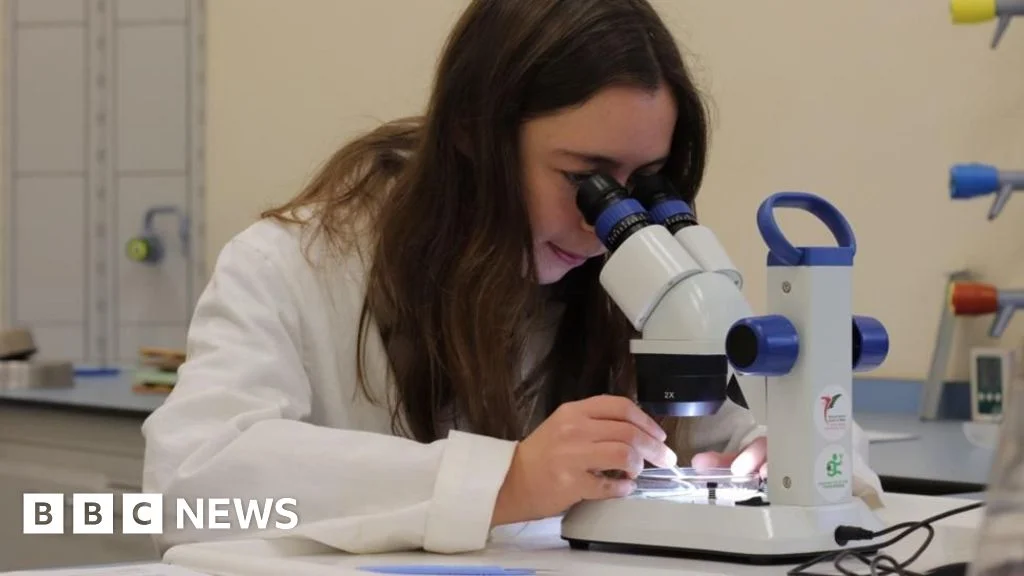
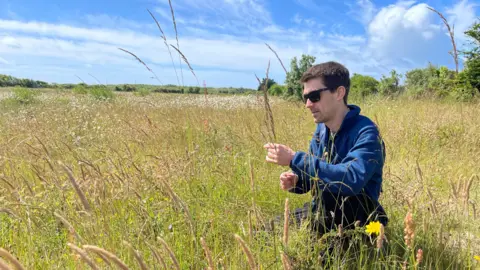
Stationed at the National Botanical Garden of Wales in Carmarthenshire, their small, unassuming lab buzzes with the hum of freezers, each containing silver packets meticulously labelled, holding the promise of future forests, meadows, and unique Welsh habitats. This facility, alongside the global Millennium Seed Bank, represents the ultimate insurance policy for biodiversity. Ellyn and Kevin’s year is dictated by the rhythms of nature, a precise choreography of planning and execution. They must be in the right place at the exact moment plants release their seeds – a fleeting window often lasting mere days. Miss this critical interval, and it could be years before another opportunity arises, a challenge that adds immense pressure to their vital work.
The urgency of their task is underscored by sobering statistics. Wales is home to approximately 60 plant species found nowhere else on Earth. Should these endemic species vanish from the Welsh landscape, they are lost to the planet forever, representing an irreversible blow to global biodiversity. Kevin McGinn, the curator of the seed bank and herbarium, highlights that a staggering one-sixth of all plant species in Wales currently face the threat of extinction. The loss of these plants carries far-reaching and often underestimated consequences for humanity itself.
Kevin frequently observes what he terms "plant blindness" – a societal tendency to overlook the profound benefits that plants provide to both the environment and human society. He explains, "When plant species are lost, ecosystems become less resilient to pressures such as climate change, disease, and extreme weather." This decline in resilience can trigger a cascade of detrimental effects. For instance, insect populations that depend on specific plants for survival may dwindle or disappear entirely. These shifts, in turn, can have direct impacts on people. A reduction in floral diversity leads to fewer pollinators, which can drastically reduce crop yields, threatening food production and destabilizing local economies. Moreover, robust plant diversity is crucial for maintaining healthy soil, a fundamental component for productive farmland, effective flood mitigation, and the overall well-being of communities.
Since its inception in 2018, the Welsh seed bank, under Ellyn and Kevin’s dedicated stewardship, has amassed an impressive collection of over five million seeds from nearly 160 different species. This vast genetic repository isn’t merely a passive collection; it’s a dynamic resource. Half of every seed collection is dispatched to the Millennium Seed Bank in Sussex, a remarkable facility known as the world’s largest wild plant seed bank. This "bomb-proof, flood-proof, and radiation-proof" vault holds an astonishing 2.5 billion seeds from across the globe, standing ready to facilitate the regeneration of ecosystems on every continent, should the need arise. The other half remains safeguarded in the lab freezers at the National Botanical Garden of Wales, a significant upgrade from the ordinary household freezers the team initially relied upon.
The importance of this work extends beyond catastrophic global scenarios; it provides tangible solutions to immediate environmental crises. Kevin emphasizes that in a worst-case scenario, such as a devastating flood or prolonged drought wiping out all of Wales’ wild plant species, their seed bank would be the ultimate resource for restoring the country’s ecology. Ellyn adds a cautious note, "As long as the conditions after the apocalypse were still OK for the plants to grow, because obviously they would have been through a lot." More commonly, Kevin points out, extinctions occur in localized areas, a reality they have already confronted and overcome.
A striking example of the seed bank’s practical utility involves the Shore Dock (Rumex rupestris), one of the world’s rarest dock species. This plant faced extinction from one of its three known global locations after a severe landslide at Southerndown in the Vale of Glamorgan. Providentially, Ellyn and Kevin had already collected seeds from that very population. Thanks to their foresight, the species could be successfully restored, demonstrating the immediate, real-world value of their "doomsday" preparations.
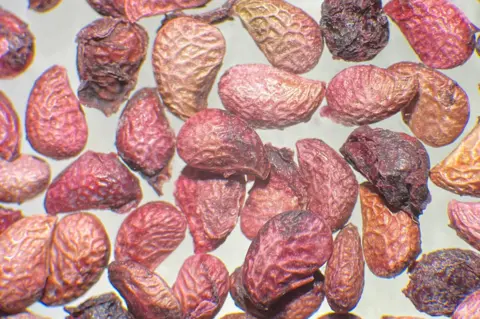
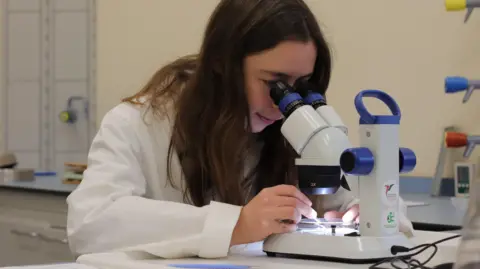
The ongoing loss of plant populations also signifies a critical reduction in genetic diversity – the natural variation within a species that allows it to adapt to new environments and challenges. "Genetic diversity is a resource for us too as humans, especially the wild relatives of crops," Kevin explains. He highlights several such species found in Wales, including sea radish, sea carrot, and sea cabbage. These wild counterparts often possess valuable genes that confer resistance to pests and pathogens, traits that have frequently been lost in their agriculturally bred relatives through generations of selective cultivation. By preserving the wild gene pool, the seed bank maintains a crucial resource for future agricultural innovation and resilience. To ensure the long-term viability of their collections, samples from each seed batch are rigorously tested every 10 years to confirm they can still germinate.
Despite their dedication, the task is fraught with challenges. With extreme weather events becoming more frequent and intense due to climate change, the environment is rapidly changing, and time is a precious commodity. Currently, only 11% of Wales’ estimated 15,000 plant species have been banked, meaning Ellyn and Kevin are in a desperate race against the clock to collect the remaining majority.
"The first challenge of the job is to find out actually where these rare plants grow, finding the kind of viable populations, because not all populations of the rare plants actually produce good seed or have got high enough numbers," Kevin explains. Identifying the precise location and timing of seed maturation requires extensive knowledge, meticulous planning, and often, a network of passionate botanists across the country who can alert them to rare species locations. Without this collaborative effort, their already arduous task would be significantly harder.
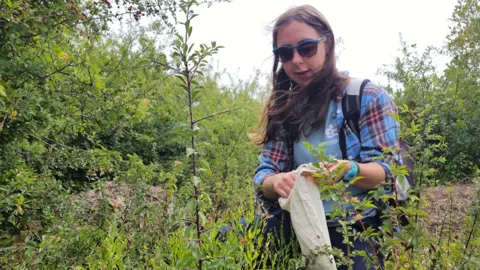
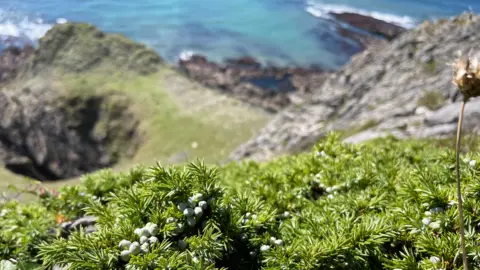
One species, Juniper (Juniperus communis), has proven particularly elusive, foiling their collection attempts three years in a row. While they have located Juniper shrubs, only some are seed-producing females, and these take a painstaking three years for their berries (which contain the seeds) to ripen. "Obviously that varies by the individual. And for a seed collection, we want to make sure that we’re getting lots of seeds. So the aim is about 10,000 seeds per collection," Ellyn explains. Missing this narrow window means a long wait for that specific individual plant to fruit again. Even with the most comprehensive planning, success hinges on timing the collections precisely when seeds are naturally ready to disperse, a variable that differs significantly between species. If they arrive too early, the seeds are unripe; too late, and they may have already dispersed or been consumed by wildlife. This often necessitates multiple return trips, a process Ellyn describes as "a bit frustrating, but it’s all part of it." The physical demands are also considerable; as Ellyn notes, reaching the Juniper plants often involves a strenuous hike. For taller trees, the team employs specialized long pruning poles to carefully harvest the seeds.
For Ellyn and Kevin, who both harboured childhood aspirations of becoming conservationists, their current roles represent the fulfilment of a deeply held passion. Neither could have predicted they would be at the vanguard of Wales’ critical insurance policy against plant extinction. "It’s fantastic to be able to come to work and feel like we’re not only feeding our own personal passion around plants and then also feel like you’re making a difference," Kevin shares. He expresses hope that over the next few years, he will finally get to see many of the Welsh plants he has yet to encounter in the wild.
The Welsh seed bank’s establishment in 2018 was a direct response to a stark finding by the Millennium Seed Bank: a shocking 75% of Wales’ native plant species had not yet been banked. This realization spurred the creation of the local facility, which has since made immense progress. Dr. Christopher Cockel, the UK conservation projects co-ordinator for the Millennium Seed Bank, highlights the significant achievements of the Welsh team. In 2024 alone, they prioritized the collection of crop wild relatives, banking almost 500,000 seeds from 19 species. These included vital relatives of lettuce, parsnip, strawberry, radish, quinoa, blackberry, alfalfa, and several species crucial as fodder crops for livestock. Dr. Cockel even points to one species related to quinoa that shows promise for providing cancer-fighting compounds, though he cautions that further research is needed.
Looking ahead, Kevin McGinn states their ambitious mission for the next two years: to achieve 100 new collections from Wales’ Sites of Special Scientific Interest (SSSIs), areas designated for their unique biological or geological features. He underscores the gravity of their mission: "If we weren’t doing the work that we’re doing, then it’s likely that plant populations that will disappear in the future won’t have a back up seed collection."
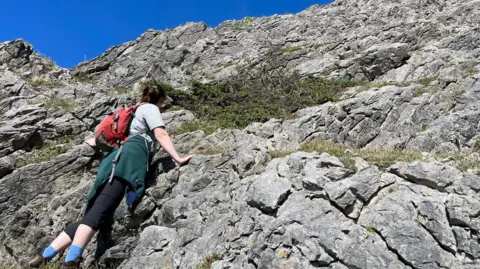
While plants and seeds might not immediately spring to mind when contemplating natural disasters or ecological collapse, the tireless work of Ellyn Baker, Kevin McGinn, and their small team is a testament to the profound importance of biodiversity conservation. With millions of seeds meticulously stored and waiting in freezers across the Welsh countryside, their efforts represent not just a scientific endeavour, but a fundamental line of defence against total ecological collapse, ensuring that Wales’ rich natural heritage has a fighting chance for survival and recovery, no matter what the future may hold.



 Roy Suryo