George Anjay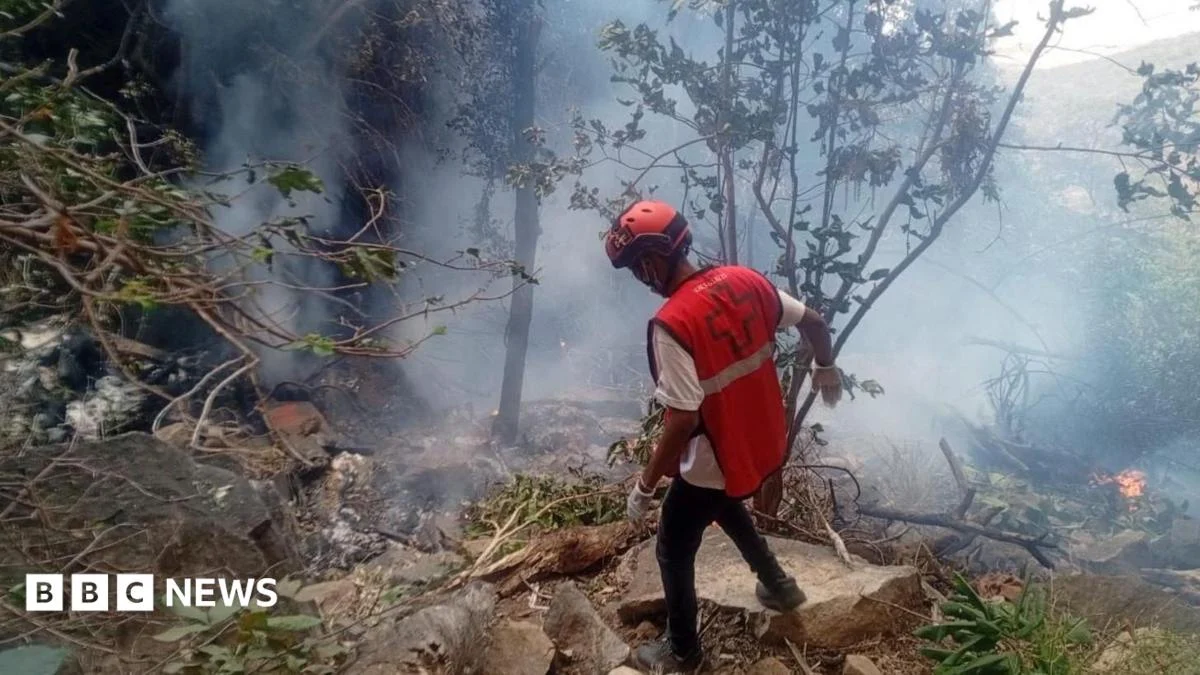
A tragic helicopter crash in the picturesque Samburu county of Kenya has claimed the lives of Ecuador’s Director General of the Strategic Intelligence Center, Ronnie Sensi-Contugi, and five American citizens. The Eurocopter EC130 B4 aircraft, operated by Lady Lori Helicopters, plummeted to the ground on Mount Ololokwe, a location renowned for its breathtaking landscapes and as a popular destination for tourists seeking wildlife encounters within its numerous private conservancies. Images emerging from the scene painted a grim picture: plumes of smoke billowed from the wooded crash site as members of the Kenya Red Cross cautiously approached the still-smoldering wreckage, a stark contrast to the natural beauty of the surrounding environment.
Ecuadorian authorities have yet to release extensive details regarding the demise of Sensi-Contugi, who was only 44 years old and had been appointed to lead the Strategic Intelligence Center in 2024. Nevertheless, the president’s office issued a profound expression of sorrow on behalf of the government, acknowledging the significant loss of their intelligence chief. The gravity of the incident was further underscored by the confirmation from former President of Ecuador, Guillermo Lasso, who publicly stated that Sensi-Contugi had perished in the ill-fated helicopter crash.
Lady Lori Helicopters, the company responsible for operating the ill-fated Eurocopter EC130 B4, released a statement conveying their deep sorrow and offering their sincerest condolences. "Our deepest sympathies are with the guests, crew, their families and loved ones, and all those affected by this tragic accident," the statement read, reflecting the profound impact of the loss on all parties involved.
Among the American victims identified was José Alberto Suárez, an NBCUniversal journalist, according to a memo obtained by the BBC’s US partner, CBS News. NBCUniversal, in their tribute, described Suárez as "a deeply respected leader and beloved friend and colleague." The memo further elaborated, stating, "José was an exceptional colleague and mentor to many," highlighting the significant void his passing leaves within his professional community. The identities of the four other American victims have not yet been publicly disclosed, adding to the somber atmosphere surrounding the incident.
Initial reports had suggested that seven individuals, comprising six tourists and a pilot, had lost their lives in the crash. However, the confirmed number of fatalities now stands at six, with the precise breakdown of nationalities and roles still being meticulously pieced together by investigators. This incident serves as a grim reminder of the inherent risks associated with air travel, particularly in remote and challenging terrains.
Helicopter crashes, unfortunately, are not an infrequent occurrence in Kenya. This latest tragedy echoes a series of similar incidents that have marred the nation’s aviation history. In February of the same year, a helicopter crash in the Rift Valley county of Nandi resulted in the deaths of six individuals, including a Member of Parliament, highlighting the vulnerability of those traveling by air. The loss of military chief, Gen. Francis Omondi Ogolla, in 2024, after an army helicopter carrying 11 people crashed in the western part of the country, with only two survivors, further underscores the perilous nature of such incidents. In June 2021, at least 10 soldiers perished when their helicopter went down while attempting to land near the capital, Nairobi, adding another tragic chapter to the country’s aviation safety record.
The Samburu county, while a magnet for tourists drawn by its pristine wilderness and abundance of private wildlife conservancies, also presents unique operational challenges for aviation. The rugged terrain, characterized by dramatic escarpments and vast expanses, demands the highest levels of pilot skill and aircraft maintenance. The investigation into the cause of this latest crash will undoubtedly delve into a multitude of factors, including weather conditions, mechanical failure, pilot experience, and adherence to safety protocols. The loss of life, particularly of a high-ranking intelligence official from Ecuador and American citizens, is a stark reminder of the interconnectedness of global communities and the shared vulnerability to unforeseen disasters, even in destinations celebrated for their natural splendor. The international community now awaits the findings of the investigation, hoping for answers that might prevent future tragedies and honor the memory of those lost in this devastating event. The ongoing efforts to identify the remaining victims and provide support to their grieving families are a testament to the humanitarian response in the wake of such a profound loss.




 Nakalama John
 Ramos Leo
 Nana Banana