
 George Anjay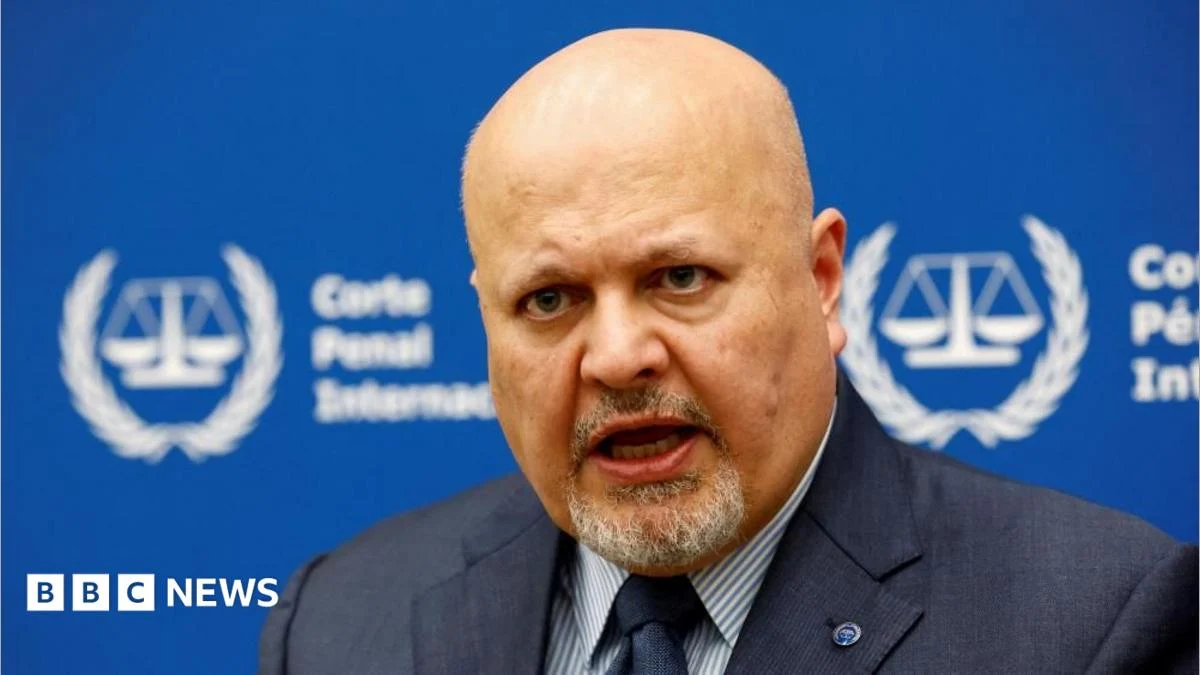
Members of the International Criminal Court (ICC) have voted to dismiss Karim Khan as chief prosecutor for alleged sexual misconduct, marking a significant and potentially destabilizing moment for the world’s only permanent war crimes tribunal. The decision, passed with a decisive 82 votes in favour, comes after Khan was suspended last month, following a protracted investigation into his conduct. Khan, who was elected as the ICC’s third prosecutor in 2021, faces allegations of engaging in an improper sexual relationship with a junior ICC staff member and subsequently attempting to obstruct her complaint.
The court’s oversight body, in a finding released in June, concluded that Khan had committed a "serious breach of duty and serious misconduct." Despite these serious findings, Khan has consistently denied all allegations leveled against him. His legal team has vowed to challenge the decision, stating that they would pursue "the lawfulness and fairness of the decision through all available legal mechanisms." However, it remains unclear at this juncture what specific legal avenues remain accessible to the now ousted prosecutor.
Following the vote, the ICC issued a statement acknowledging that it "took note" of the decision made by the Special Session of the Assembly of States Parties, comprising the 125 member states that participated in the vote to remove Khan. The statement further emphasized the Court’s unwavering commitment to "maintaining a safe, inclusive, and respectful working environment for all personnel." This internal affirmation of values comes at a critical juncture, as the proceedings surrounding Khan’s misconduct have cast an intense spotlight on the institution, exacerbating internal divisions and coinciding with a broader, concerted campaign to undermine and even dismantle the ICC.
The ramifications of this investigation extend far beyond the personal fate of a single prosecutor. Supporters of the ICC fear that the institution will emerge from this crisis weakened, potentially diminishing its capacity to address and prosecute the gravest global atrocities. The ongoing misconduct investigation has placed the ICC under unprecedented scrutiny, highlighting vulnerabilities within its governance and operational frameworks.
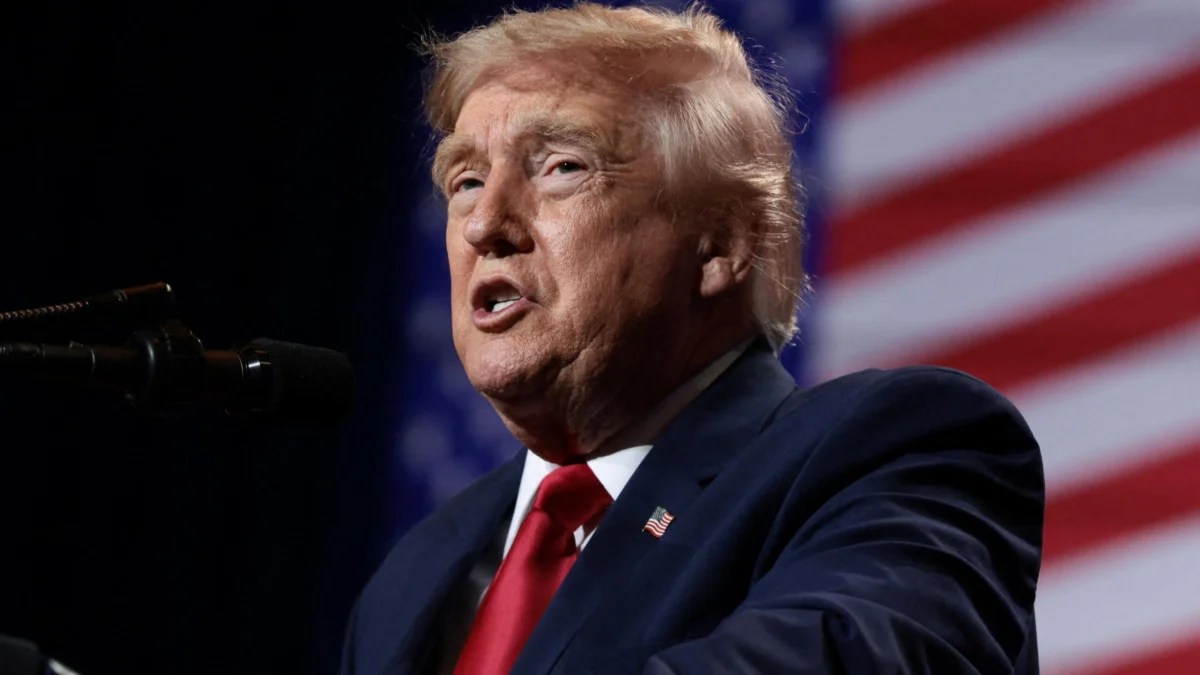
Karim Khan, a distinguished British lawyer, has been on voluntary leave since May 2025, ostensibly to focus on defending himself against the allegations. His professional standing has also been impacted in the United Kingdom, where he is currently suspended from practicing law by the Bar Standards Board, pending their own independent inquiry into the matter. Khan was notably absent from the vote, which was held at the United Nations headquarters in New York. This absence was not voluntary; he is currently barred from entering the United States due to sanctions imposed by the Trump administration. These sanctions were a direct consequence of the ICC’s investigation into alleged war crimes committed by Israeli officials in Gaza, an investigation spearheaded by Khan himself.
The controversy surrounding Khan’s tenure is unlikely to abate with his removal. The process leading to this decision has been characterized by its extreme sensitivity, placing the court under immense pressure and intense scrutiny from both internal and external stakeholders. The initial allegations of sexual misconduct involving a female staff member were reportedly brought to the ICC’s attention by a third party in May 2024.
An investigation was subsequently launched by the court’s Independent Oversight Mechanism (IOM). However, this initial inquiry was later terminated after the alleged victim reportedly declined to participate in the proceedings. Critics of this early stage of the investigation argued that it was mishandled, thereby eroding confidence in the IOM’s ability to conduct thorough and impartial investigations. Ultimately, the investigators concluded that there was insufficient evidence to definitively substantiate the initial allegations.
A second referral concerning the matter was made in October 2024. This led to the case being transferred to the United Nations Office of Internal Oversight Services (OIOS), which initiated a more comprehensive investigation. This broader inquiry delved into allegations of both sexual misconduct and abuse of authority by Khan. The OIOS investigation spanned from November 2024 to December 2025, generating a substantial volume of evidence, including over 5,000 pages of documentation and testimony. The findings of the OIOS were then subjected to a meticulous review by a panel of three judges. This panel was tasked with advising on whether Khan’s alleged conduct constituted serious misconduct, less serious misconduct, or no misconduct at all.
These allegations and the subsequent investigation have unfolded against a backdrop of exceptionally challenging circumstances for the ICC. The court has been navigating a period of intense political pressure and heightened global tensions. The imposition of sanctions by the United States, specifically targeting Khan, underscores the deep divisions. These sanctions were a direct response to Khan’s decision to seek arrest warrants for Israeli Prime Minister Benjamin Netanyahu and former Defence Minister Yoav Gallant, in relation to alleged crimes connected to the war in Gaza.
The United States’ stance towards the ICC has grown increasingly adversarial in recent years. Earlier this month, the US government announced a new "whole-of-government" campaign, explicitly aimed at dismantling the ICC "brick by brick." This aggressive approach, framed by the US as a defense of its sovereignty, includes measures such as visa bans, asset freezes, and diplomatic pressure on allies to disassociate from the court or reject its jurisdiction over their nationals. It is important to note that the United States, Russia, and Israel are not member states of the ICC. Nevertheless, the court retains the authority to exercise jurisdiction over crimes committed by nationals of these non-member states when those crimes occur on the territory of ICC member states. The removal of Karim Khan as chief prosecutor thus represents a significant development, occurring at a moment of profound existential challenge for the International Criminal Court.



 Roy Suryo

 Nakalama John
 atisusanti
 Ramos Leo
