
 George Anjay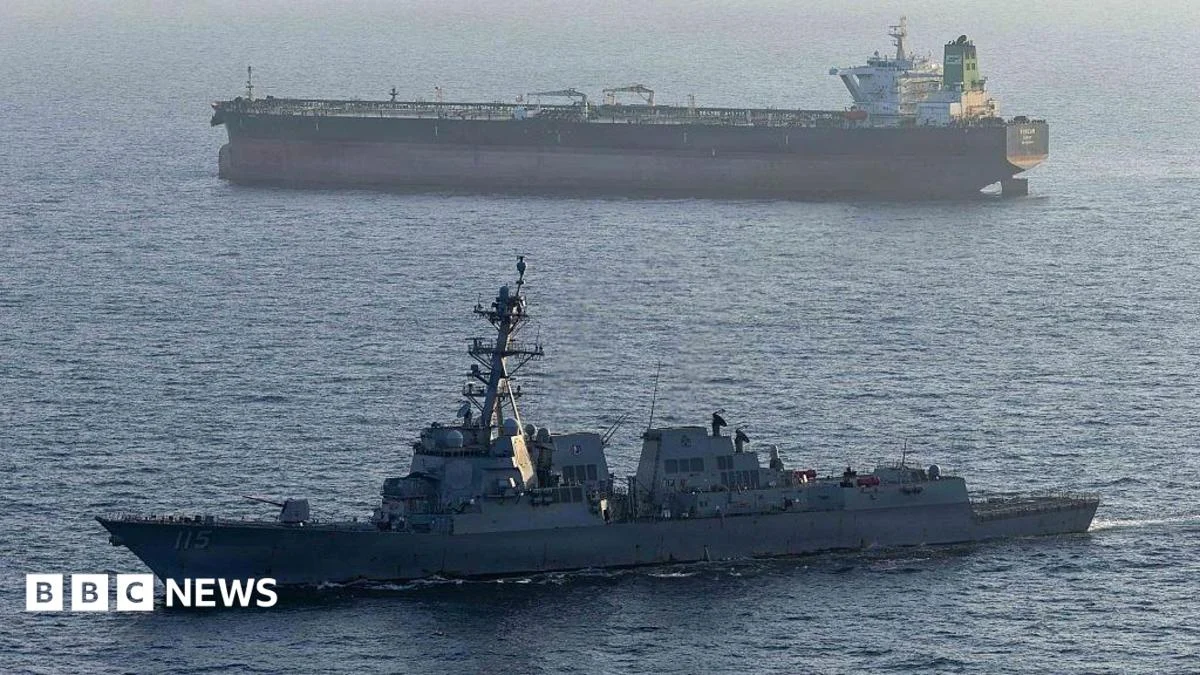
Iran has launched "multiple" ballistic missiles in an "attempted surprise attack" on American forces in the Middle East, shattering a fragile lull in the fighting and escalating tensions to a critical point. The audacious assault, which occurred at 17:45 EDT (21:45 GMT) on Tuesday, saw all inbound missiles "successfully intercepted" by US air defenses, according to a statement from the US Central Command (Centcom). While Centcom confirmed the interception, it deliberately withheld specific details regarding the intended targets of the Iranian barrage, fueling speculation and anxiety across the region and on global financial markets.
In a swift and decisive retaliatory move, the US military, in conjunction with Saudi Arabian forces, simultaneously struck "Iran-aligned terrorists" in Iraq. This coordinated counter-offensive, as detailed by Centcom, was a direct response to a series of Iran-directed drone attacks that have plagued the region in recent days. The dual actions mark a significant and alarming escalation, effectively ending a brief and precarious period of de-escalation that had been intended to pave the way for renewed diplomatic negotiations.
Centcom elaborated on the retaliatory strikes, stating that US and Saudi forces targeted "multiple terrorist logistics and weapons sites" situated in eastern Iraq. The military command explicitly identified these actions as "a strong response to over 30 IRGC-directed aerial drone attacks in the last 72 hours," employing an acronym for Iran’s elite Islamic Revolutionary Guard Corps, highlighting the perceived direct involvement of Tehran in these provocations. Centcom issued a stark warning, asserting that "Iran’s military and its terrorist proxies must cease these attacks to avoid further US military response," underscoring the potential for an even more severe military confrontation.
The gravity of the situation was amplified by earlier reports from Saudi Arabia on Tuesday, where its military announced the interception and destruction of drones targeting critical petroleum facilities in the country’s eastern region. Major General Turki al-Maliki, a spokesman for the Saudi Ministry of Defence, directly alleged that these drones were launched by militia groups with strong ties to Iran operating from Iraqi territory. This accusation further solidifies the narrative of a coordinated Iranian strategy involving proxies to destabilize the region and threaten vital energy infrastructure.
The resurgence of hostilities comes as a stark contradiction to the optimistic pronouncements made just a day prior by US President Donald Trump, who had spoken of "very friendly negotiations" with Iran. At that juncture, the two adversaries had observed a rare third consecutive day without any reported exchanges of fire, fostering a sliver of hope for diplomatic resolution. This pause in hostilities had followed thirteen consecutive nights of intensive bombing by the US, which had stated its objective was to destroy Iranian tunnels and bridges in the southern part of the country, a campaign that reportedly resulted in the deaths of scores of individuals.
The ongoing friction over the Strait of Hormuz, a crucial chokepoint for global oil shipments, remains a central and unresolved point of contention in the broader diplomatic standoff, a point that Tehran has consistently denied are even occurring. The immediate impact of the renewed conflict was felt keenly in the global energy markets. Oil prices surged in early trading on Wednesday, driven by mounting concerns that an escalation in the conflict could severely disrupt energy shipments through the vital strait. In morning trading in Asia, the global benchmark Brent crude saw a significant uptick of 4.3%, reaching $87.70 per barrel, while US-traded oil also climbed by 4.2% to $82.62 per barrel.
The timing of these latest strikes is particularly noteworthy, coinciding with the visit of Israeli Prime Minister Benjamin Netanyahu to Washington D.C. Netanyahu met with President Trump at the White House and also attended the funeral of US Senator Lindsey Graham, a prominent and vocal critic of Iran, often referred to as an "Iran hawk." This convergence of events suggests a heightened level of coordination and shared strategic concerns between the United States and its key regional ally.
The human cost of the escalating tensions is also becoming increasingly apparent. According to recent data released by the Pentagon, at least 624 US military service members have sustained injuries since President Trump ordered strikes against Iran in February. Of these casualties, a significant 417 personnel were reportedly injured in connection with "Operation Epic Fury," a joint military operation conducted by the United States and Israel specifically targeting Iranian assets and capabilities. This grim statistic underscores the real-world consequences of the ongoing proxy conflicts and direct confrontations in the Middle East.
The "attempted surprise attack" by Iran, characterized by the launch of multiple ballistic missiles, represents a significant escalation in the long-simmering conflict between Iran and the United States, along with its regional allies. The US military’s successful interception of these projectiles, while a tactical victory, does little to assuage the growing geopolitical instability. The simultaneous retaliatory strikes by the US and Saudi Arabia in Iraq underscore a clear message of deterrence and a commitment to responding forcefully to Iranian-backed aggression. The targeting of "Iran-aligned terrorists" in Iraq highlights the complex web of proxies that Iran utilizes to project power and sow discord throughout the region.
The IRGC’s alleged involvement in over 30 drone attacks in a mere 72-hour period paints a picture of a sustained and deliberate campaign of harassment and provocation. This pattern of behavior, coupled with the missile launch, suggests a calculated effort by Tehran to test the resolve of its adversaries and to potentially gain leverage in any future negotiations, however unlikely they may seem at present. The statement from Centcom, emphasizing the need for Iran and its proxies to cease their attacks to avoid further US military response, indicates that the ball is now firmly in Iran’s court. Any miscalculation or further aggressive action could lead to a far more significant and potentially devastating military confrontation.
The impact on global energy markets is a stark reminder of the interconnectedness of geopolitical stability and economic well-being. The rise in oil prices reflects the market’s apprehension about potential supply disruptions, particularly concerning the Strait of Hormuz, which handles a substantial portion of the world’s oil trade. The ongoing dispute over this vital waterway has been a persistent source of tension, and any further escalation in the conflict could have far-reaching economic repercussions beyond the immediate region.
The presence of Israeli Prime Minister Netanyahu in Washington during these critical events is also significant. The close strategic alliance between the US and Israel, particularly in confronting Iranian influence, suggests a coordinated approach to regional security. Senator Lindsey Graham’s attendance at his funeral, a known "Iran hawk," further emphasizes the strong bipartisan consensus within the US political establishment regarding the threat posed by Iran. This unified front could embolden a more robust and decisive response to future Iranian provocations.
The Pentagon’s casualty figures serve as a somber reminder of the human toll of these conflicts. The reported 624 US military service members wounded, with a significant portion attributed to the joint US-Israeli "Operation Epic Fury," illustrates the ongoing nature and intensity of the military engagement. These numbers are likely to rise if the current trajectory of escalation continues. The data underscores the commitment of the US and its allies to confronting Iranian actions, even at the cost of military personnel.
In conclusion, Iran’s "attempted surprise attack" on American forces represents a dangerous new chapter in the protracted conflict with the United States. The swift and effective interception of the missiles, while averting immediate catastrophe, has ushered in a period of heightened alert and potential for further escalation. The US and Saudi Arabia’s retaliatory strikes in Iraq, coupled with the ongoing diplomatic maneuvering and the palpable economic anxieties, all point towards a volatile and unpredictable future for the Middle East. The world watches with bated breath to see if diplomacy can prevail or if the region is on the brink of a wider, more devastating conflict.



 Nakalama John
 Ramos Leo
 atisusanti
 Roy Suryo