George Anjay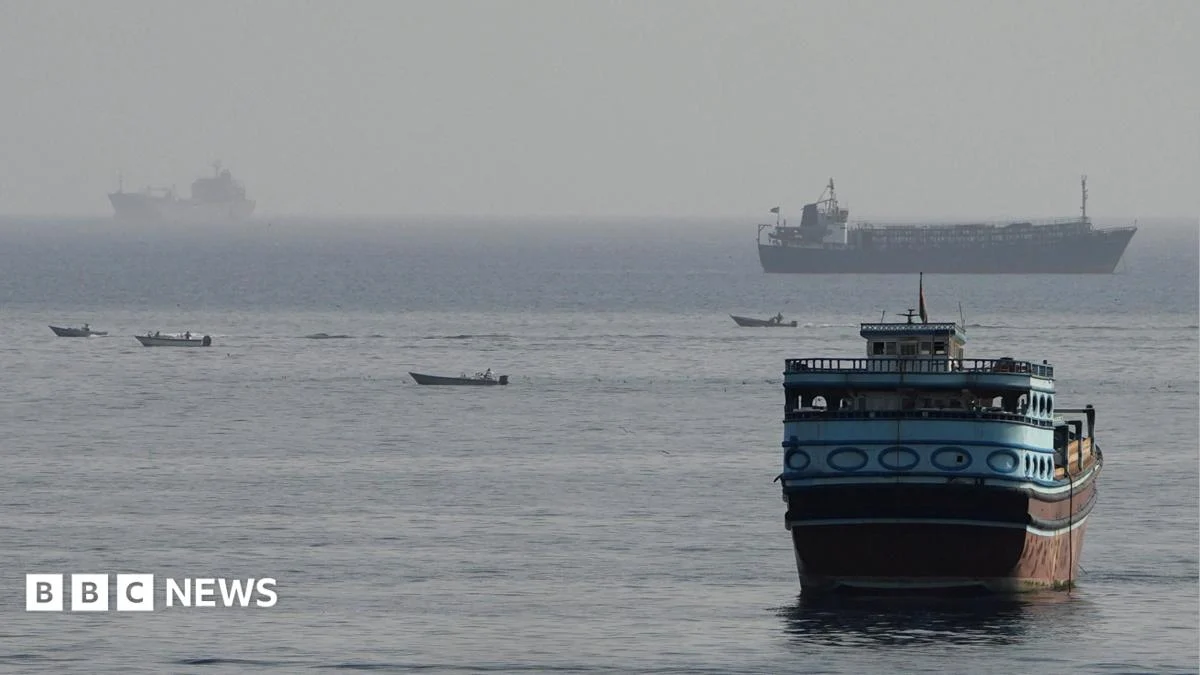
Tehran has announced a significant diplomatic breakthrough, declaring it has reached an agreement with neighboring Oman to establish a designated shipping route through the strategically vital Strait of Hormuz. The announcement, made by Iranian Foreign Ministry spokesman Esmaeil Baqaei, indicated that the specifics of this crucial accord were in the "final stages" of completion, though he refrained from divulging further details regarding the precise nature of the agreed-upon route. However, Baqaei was quick to temper any immediate optimism, issuing a stern warning that this bilateral agreement with Oman, while a step forward, would not unilaterally guarantee the safety and unimpeded navigation of vessels traversing the Strait. He underscored that the persistent security challenges in the waterway remain intrinsically linked to the ongoing United States blockade of Iranian ports, a measure that has profoundly impacted maritime traffic and regional stability. Notably, neither the United States nor Oman has yet officially commented on this reported agreement, leaving the international community awaiting further clarification and confirmation from all involved parties.
The Strait of Hormuz, a narrow chokepoint through which approximately one-fifth of the world’s oil and liquefied natural gas (LNG) typically flows, has become a focal point of escalating geopolitical tensions. The recent escalation, described by Tehran as attacks by the US and Israel in late February, has led to Iran imposing significant restrictions, effectively blocking passage through the Strait. This disruption has triggered considerable volatility in global oil prices, with markets reacting sharply to the uncertainty surrounding supply routes. In a pointed warning delivered on Tuesday, US President Donald Trump declared that Iran would face severe repercussions if the Strait did not reopen "very soon," signaling a hardening of the US stance. These remarks followed reports from senior US officials suggesting that diplomatic discussions had been progressing, potentially paving the way for the resumption of shipments later in the week. However, Iran has consistently maintained its position of not engaging in direct negotiations with the United States and has no current plans to do so, complicating the diplomatic landscape and underscoring the complex web of communication and mediation involved.
The reopening of the Strait of Hormuz has been a paramount objective in the ongoing discussions, not only between Iran and the US but also involving various international mediators attempting to de-escalate the crisis. In his statement, the Iranian foreign ministry spokesman elaborated on the agreement with Oman, specifying that the "geographical coordinates of the route" had been mutually decided. Baqaei reiterated Iran’s perspective on the lingering security threats, asserting, "The factors making the Strait of Hormuz insecure still exist on the part of the United States, particularly the naval blockade and other aggressive and threatening actions against Iran and its interests," as reported by Iran’s official Irna news agency. Further details emerged from Iran’s Deputy Foreign Minister Kazem Gharibabadi, who informed Irna that the newly established route would be a temporary measure, potentially remaining operational for a period ranging from two to four months. He, too, refrained from providing additional specifics regarding the route’s implementation or operational parameters.
Since the onset of the heightened conflict, maritime traffic through the Strait of Hormuz has seen a substantial decline. Iran has implemented a policy requiring all passage to be cleared in advance, and it has taken assertive action against vessels that have reportedly disregarded these directives. One of the primary points of contention that has characterized the diplomatic stalemate between Tehran and Washington has been Iran’s threat to impose fees on vessels seeking to transit the Strait. As of Wednesday, Iranian officials have not clarified whether this contentious issue was part of the discussions held with Oman, leaving another aspect of the navigational dispute unresolved.
Adding a layer of complexity to the situation, it is important to recall that in June, Iran and the United States had previously signed a Memorandum of Understanding (MoU). This agreement was intended to bring an end to hostilities, facilitate the reopening of the Strait of Hormuz, and ultimately lead to a comprehensive resolution of the war within a 60-day timeframe. However, this diplomatic initiative proved to be short-lived. The deal rapidly unraveled, and subsequent diplomatic talks also faltered, leading to a resumption of tit-for-tat attacks just days after the MoU had been signed. This historical context highlights the fragility of agreements in this volatile region and the persistent challenges in achieving lasting peace and stability.
The United States has maintained a significant naval presence in the region, enforcing a blockade of Iranian ports. This blockade has been a key factor contributing to the strain on maritime commerce and the broader geopolitical tensions. Concurrently, another blockade is in effect on Saudi Arabia’s ports in the Red Sea, imposed by Yemen’s Iran-backed Houthis since July 20th. This parallel blockade further exacerbates the regional instability and underscores the interconnectedness of various conflicts and alliances in the Middle East. The agreed-upon route through the Strait of Hormuz, therefore, emerges not as an isolated event but as a development within a highly complex and multifaceted geopolitical environment, where the actions of one state can have cascading effects on regional and global security. The success and sustainability of this new shipping route will undoubtedly depend on a multitude of factors, including the de-escalation of broader conflicts, the resolution of outstanding disputes between Iran and the US, and the continued cooperation of regional partners like Oman. The international community will be closely monitoring the unfolding situation, seeking reassurance of safe passage and a return to predictable maritime operations in this critical global waterway. The temporary nature of the route, as indicated by Iran, suggests that this is likely a short-term palliative measure rather than a permanent solution to the deep-seated issues plaguing the Strait of Hormuz. The economic implications of continued disruption are immense, impacting not only the energy markets but also the broader global supply chains that rely on the uninterrupted flow of goods through this vital artery.




 Nakalama John
 Ramos Leo
 Nana Banana