Roy Suryo
What’s driving men to get penis fillers, despite the risks?
The pursuit of enhanced masculinity and a perceived shift in societal beauty standards are compelling an increasing number of men to undergo penis filler procedures, despite significant safety concerns raised by medical professionals. While some men, like "Jason," report satisfaction with the results, which can include increased girth and improved perceived symmetry, the lack of regulation and potential for severe complications cast a long shadow over this burgeoning trend.

Jason, who chose to remain anonymous, sought to increase his penis girth by 16%, a modification he and his partner find highly satisfactory, attributing it to a much-needed "self-confidence boost." He emphasizes that all bodily functions remain normal, with the enhancement providing "that extra little bit of width." Unlike the readily visible popularity of cosmetic procedures like lip fillers, the prevalence of penis fillers is difficult to gauge due to a significant lack of regulation and official record-keeping. This regulatory vacuum means anyone can ostensibly offer the procedure, contributing to a clandestine atmosphere around its uptake. The procedure even became the subject of a peculiar conspiracy theory during the Winter Olympics, with rumors suggesting male ski jumpers used fillers to enhance their suits for increased aerodynamic advantage.
However, the allure of enhancement is juxtaposed by alarming accounts of men experiencing severe adverse outcomes, including penises turning black and skin sloughing off following poorly executed procedures. The British Association of Urological Surgeons has issued stark warnings, urging caution for individuals considering these interventions.
The motivations behind men seeking penis fillers are multifaceted. Jason himself was motivated by a desire for "a bit more symmetry" and girth, aiming for a "nice, balanced look." He opted for hyaluronic acid, a temporary filler, providing a safety net knowing it would "eventually just dissolve" if he disliked the outcome. Crucially, Jason refutes the notion that his decision was driven by a desire for overt "alpha masculinity," stating, "I don’t subscribe to ‘how big your dick is, is how big of a man you are.’" Instead, he points to a broader societal shift, where evolving expectations of male appearance necessitate men "keeping up as well." He attributes this to the pervasive influence of media portrayals, where "picture-perfect" individuals are constantly presented, creating an unrealistic benchmark.

Clinics offering penis enlargement services often capitalize on these insecurities, posing questions like "are you embarrassed by the size of your penis?" to attract clients. The landscape of penis enhancement is diverse, encompassing both surgical and non-surgical methods, with various injectable materials available. Hyaluronic acid, a naturally occurring sugar molecule known for its hydrating properties, is the most commonly used filler, mirroring its application in lip augmentation.
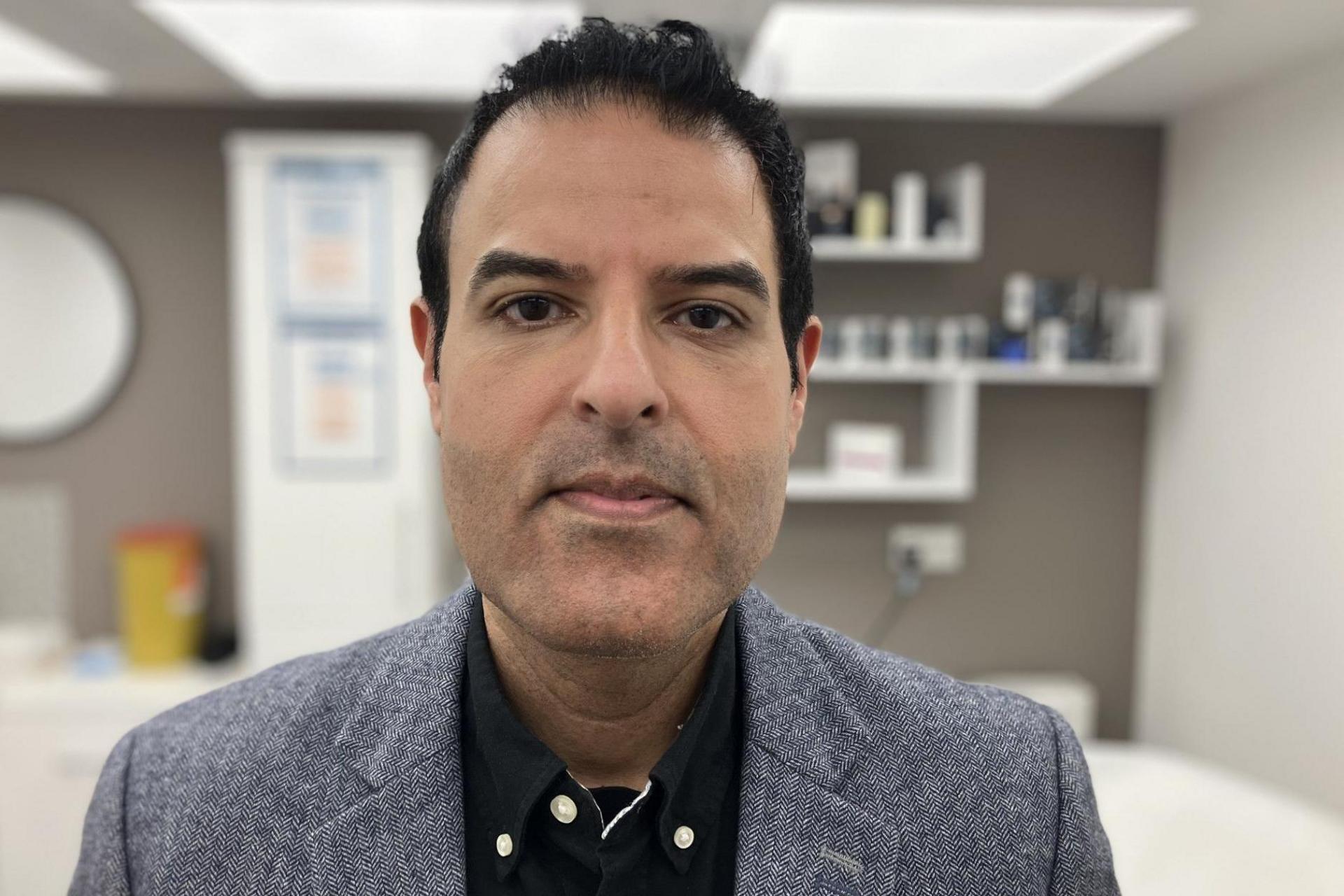
Dr. Javed Hussain, a practitioner offering penis fillers at his clinic in Greater Manchester, has witnessed a surge in demand over the past year. He treats men across a wide age spectrum, from their mid-20s to 72. While Hussain trained as a doctor before entering the cosmetic field, it’s critical to note that performing penis filler procedures legally requires no specific medical qualifications. His initial consultations involve a thorough assessment of a patient’s health, motivations, expected outcomes, and a detailed discussion of potential risks.
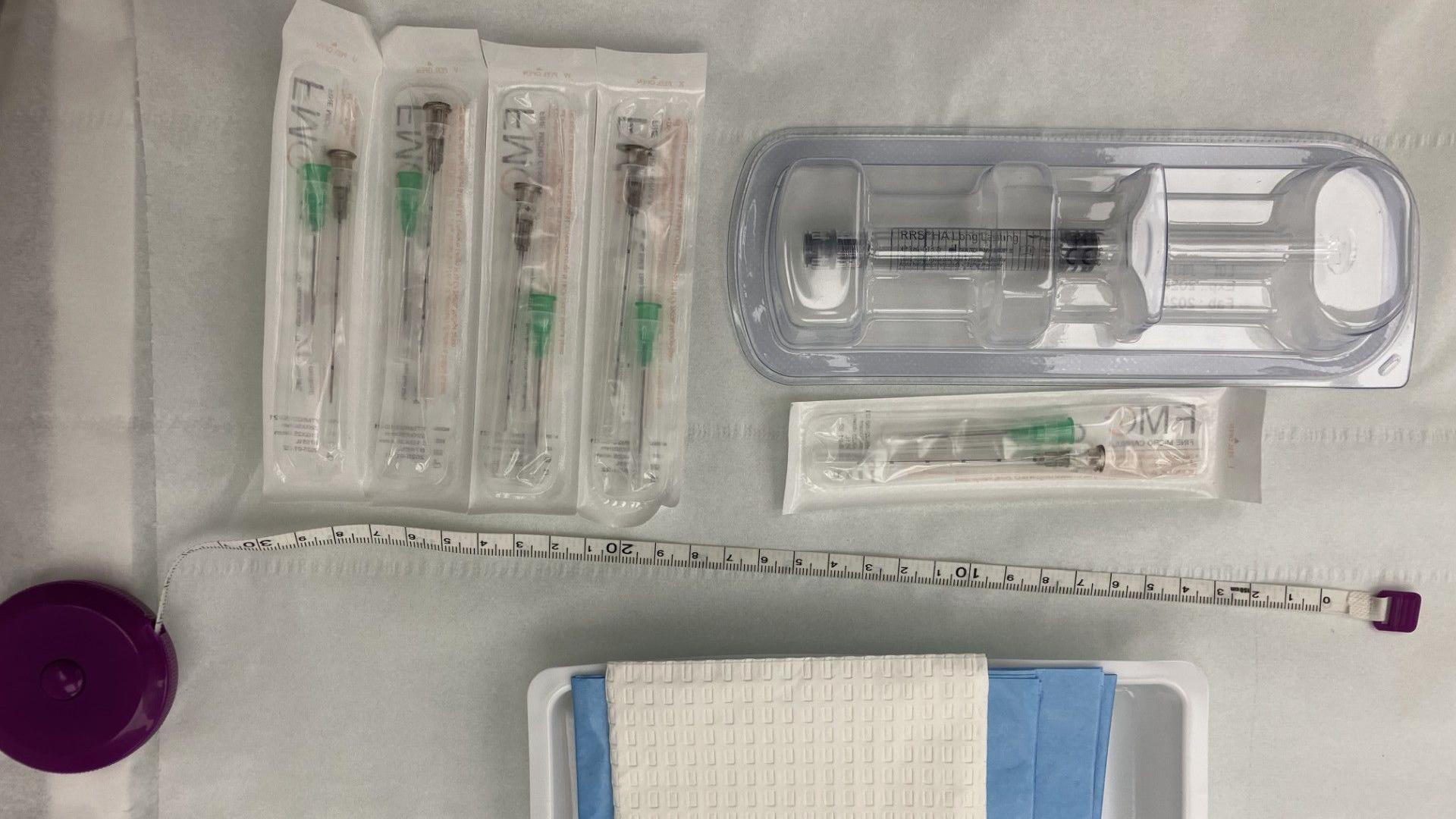
The procedure itself typically involves injecting hyaluronic acid into the penis three times – on the top and sides – using a cannula inserted at the base. This filler then travels along the shaft. Following the injection, the filler is massaged to ensure an even distribution, a practice the patient continues at home. The cost can reach up to £3,500, with patients typically experiencing a 10-20% increase in girth for approximately six to nine months.
However, the risks associated with these procedures are significant and varied. Minor complications can include soreness, bruising, and uneven filler distribution. More severe risks involve infection, damage to vital penile structures and blood vessels essential for erections, and, in extreme cases, necrosis of the skin. Dr. Hussain acknowledges the concerns of surgeons, attributing their apprehension to the "right place" of wanting to protect patients. He asserts that growing evidence and successful outcomes support the benefits of these procedures, though the BBC has been unable to independently verify his claims of never needing to use emergency dissolvents. He does, however, recount a case where a patient presented with a blackening penis and dying skin due to an incorrectly administered filler, necessitating immediate hospitalization.
Professor Vaibhav Modgil, an andrologist and consultant urological surgeon for the NHS, has treated patients who have suffered severe consequences from poorly performed penis enhancement procedures. He describes the devastating impact on patients, including "skin necrosis, where an area of the skin dies off it turns very black and then it sort of sloughs off." He warns that men seeking enhancement may end up "even more dissatisfied than when they went in."
Alex, another patient who wished to remain anonymous, underwent a surgical penis lengthening procedure in Germany, combined with fat injections for girth enhancement. He experienced excruciating pain post-operation, rendering him unable to stand and causing extensive bruising that turned his upper legs yellow. While he eventually recovered, Alex acknowledges he was "lucky" and that "many people do not get that luxury." He admits that societal pressures and exposure to pornography had convinced him a larger penis was synonymous with masculinity.
Despite the lack of official statistics, Professor Modgil observes that online search trends, advertising, and social media activity strongly indicate a rise in the number of these procedures. This trend has prompted the British Association of Urological Surgeons to issue new recommendations against such interventions. A review of 36 studies involving 3,750 men concluded that the safety profile of these procedures remains unclear, partly due to a scarcity of long-term data. The lack of mandatory qualifications for practitioners mirrors concerns surrounding lip fillers.
Professor Modgil advocates for robust regulation rather than an outright ban, proposing a national registry to track procedures and collect long-term data. This would empower men to make more informed decisions by understanding the potential risks and benefits.
Meanwhile, Jason remains content with his current results and anticipates repeating the procedure when his fillers eventually dissolve, illustrating the complex interplay of personal satisfaction, societal pressures, and evolving cosmetic trends that are driving men towards penis fillers, despite the inherent and sometimes severe risks involved.




 Nakalama John
 atisusanti
 Ramos Leo