
 George Anjay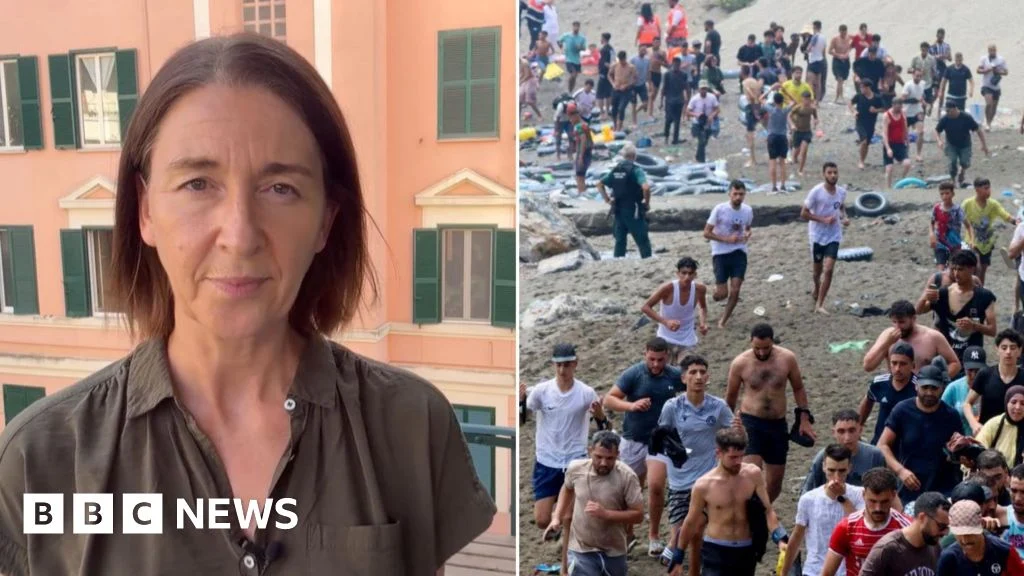
The small Spanish territory of Ceuta, a North African enclave with a resident population of approximately 83,000, has been the scene of an unprecedented surge in migrant arrivals over the past 24 hours, marking a dramatic escalation in the long-standing migration challenges at Europe’s southern frontier. An estimated 60,000 individuals, primarily from Morocco, are believed to have successfully crossed into this geographically distinct Spanish territory, which has historically served as a significant, albeit perilous, gateway for those seeking to reach the European continent. Tragically, the desperate attempts to cross have resulted in numerous fatalities, underscoring the extreme risks undertaken by these individuals in their pursuit of a better life. In the immediate aftermath of this humanitarian crisis, Spanish officials confirmed on Friday evening that a significant portion of the arrivals, exceeding 48,000, had voluntarily returned to Morocco, a testament to the complex and often fluid nature of these migratory movements and the immediate pressures faced by both the migrants and the authorities. BBC’s Sarah Rainsford delves into the potential triggers behind this sudden and overwhelming influx and speculates on the likely repercussions and future developments stemming from this critical event.
The sheer scale of the recent migrant influx into Ceuta represents a stark departure from previous patterns, raising urgent questions about the underlying causes. While the precise confluence of factors remains under scrutiny, several key elements are believed to have contributed to this extraordinary event. For years, Ceuta and its sister territory, Melilla, have been flashpoints for irregular migration, situated as they are on the southern edge of the European Union, separated from Morocco by a heavily fortified border fence. This fence, a formidable barrier designed to deter and control movement, has been breached by thousands in what appears to have been a coordinated, albeit chaotic, surge. The success of such a large-scale crossing suggests a potential lapse in border security, a deliberate relaxation of controls, or perhaps an opportunistic exploitation of a perceived vulnerability.
One of the most significant potential triggers identified by analysts and observers is a possible shift in Moroccan border policy or enforcement. Morocco, a key partner for the European Union in managing migration flows, has historically been under pressure from Brussels to prevent its territory from being used as a staging ground for irregular crossings. However, there have been instances in the past where Morocco has appeared to either tacitly permit or actively facilitate, albeit often with plausible deniability, increased migrant departures, particularly during periods of strained diplomatic relations with European nations or when seeking to leverage migration as a bargaining chip. The current surge could be a manifestation of such a strategy, perhaps in response to specific political or economic grievances with Spain or the EU.
The timing of the event is also noteworthy. It coincided with a period of heightened diplomatic tension between Spain and Morocco, particularly concerning the Western Sahara dispute. Spain’s decision to allow Brahim Ghali, the leader of the Polisario Front (which seeks independence for Western Sahara), to receive medical treatment in Spain in April 2021 led to a severe diplomatic rift with Morocco. In retaliation, Moroccan authorities appeared to loosen border controls, leading to a massive influx of migrants into Ceuta. This suggests that migration can be weaponized, or at least strategically employed, in geopolitical maneuvering. While this specific incident predates the current event, the underlying dynamic of using migration as leverage remains a plausible factor in subsequent surges.
Furthermore, economic hardship and social unrest within Morocco itself cannot be discounted as driving forces. Decades of economic underdevelopment, coupled with the lingering effects of the COVID-19 pandemic, have exacerbated poverty and unemployment in many parts of the country, particularly in marginalized communities. For young Moroccans, the prospect of a better life in Europe, with its perceived economic opportunities and social stability, remains a powerful lure. The desperation born from these conditions can drive individuals to take extreme risks, including attempting to scale fences, swim across treacherous waters, or entrust their lives to smugglers.
The role of human trafficking networks is also paramount. These sophisticated criminal organizations often play a crucial role in facilitating such mass movements. They possess the resources and networks to organize and transport large numbers of people, often exploiting their vulnerability and desperation for profit. It is highly probable that these networks were instrumental in orchestrating the logistics of the recent surge, advising migrants on the opportune moment to attempt the crossing and potentially coordinating efforts to overwhelm border defenses. The sheer volume of arrivals suggests a level of organization that goes beyond spontaneous individual attempts.
The geographical proximity of Ceuta to Morocco, separated by a relatively short stretch of sea and a land border, makes it a prime target for those seeking to enter Europe. The border fence, while formidable, is not impenetrable, and the constant pressure from desperate migrants means that breaches, though often small-scale, are a recurring feature of the border landscape. The recent events highlight how, under certain conditions, these localized breaches can escalate into a widespread and overwhelming phenomenon.
The human cost of these crossings is immense. Reports of dozens of deaths during the attempts paint a grim picture of the desperation that propels these individuals. They often undertake perilous journeys, facing drowning, exhaustion, hypothermia, and violence from smugglers or border patrols. The survivors often arrive in Ceuta traumatized, disoriented, and in need of immediate medical attention. The scenes of thousands of people, many of them minors, wading ashore or scrambling over fences, have become a stark visual reminder of the ongoing humanitarian crisis at Europe’s doorstep.
The Spanish authorities, overwhelmed by the sheer number of arrivals, have been scrambling to respond. The rapid deployment of security forces, including the Guardia Civil and police, has been a primary focus, alongside efforts to provide humanitarian assistance to those who have successfully crossed. The confirmation that over 48,000 migrants voluntarily returned to Morocco is a complex piece of information. It suggests that for many, the immediate goal was to reach Spanish soil, and upon doing so, perhaps facing the reality of their situation, the prospect of deportation, or the lack of immediate avenues for asylum, they opted for a return rather than an uncertain future in a holding center or detention. This voluntary return also likely reflects the pressure exerted by Moroccan authorities on their own citizens to return, or the realization that the promised opportunities in Europe might not materialize as quickly or easily as anticipated.
The implications of this event are far-reaching. For Spain, it represents a significant security and humanitarian challenge, straining its resources and testing its border management capabilities. It also reignites the debate about the EU’s migration policy and the need for a more coordinated and effective approach to managing external borders and addressing the root causes of migration. The burden sharing among EU member states, a perpetual point of contention, will undoubtedly come under renewed scrutiny.
For Morocco, the event poses a challenge to its image as a responsible partner in migration management and could lead to increased pressure from the EU. However, it also highlights the domestic challenges Morocco faces in terms of economic development and social stability, which are crucial for any long-term solution to irregular migration.
Looking ahead, the situation remains fluid and uncertain. The underlying drivers of migration are unlikely to disappear, and the allure of Europe, for many, will persist. The question is not whether there will be future attempts to cross, but rather how the authorities on both sides of the Strait of Gibraltar will respond and whether lessons will be learned from this critical event. The possibility of further surges, whether spontaneous or orchestrated, cannot be ruled out. The future will likely involve a complex interplay of increased border surveillance, diplomatic negotiations, efforts to address the root causes of migration in countries of origin, and the ongoing humanitarian imperative to protect the lives and dignity of those seeking a better future. The events in Ceuta serve as a stark reminder of the enduring complexities of migration and the profound human stories behind the headlines.




 Nakalama John
 atisusanti
 Ramos Leo
 Roy Suryo
 Nana Banana