
 Ramos Leo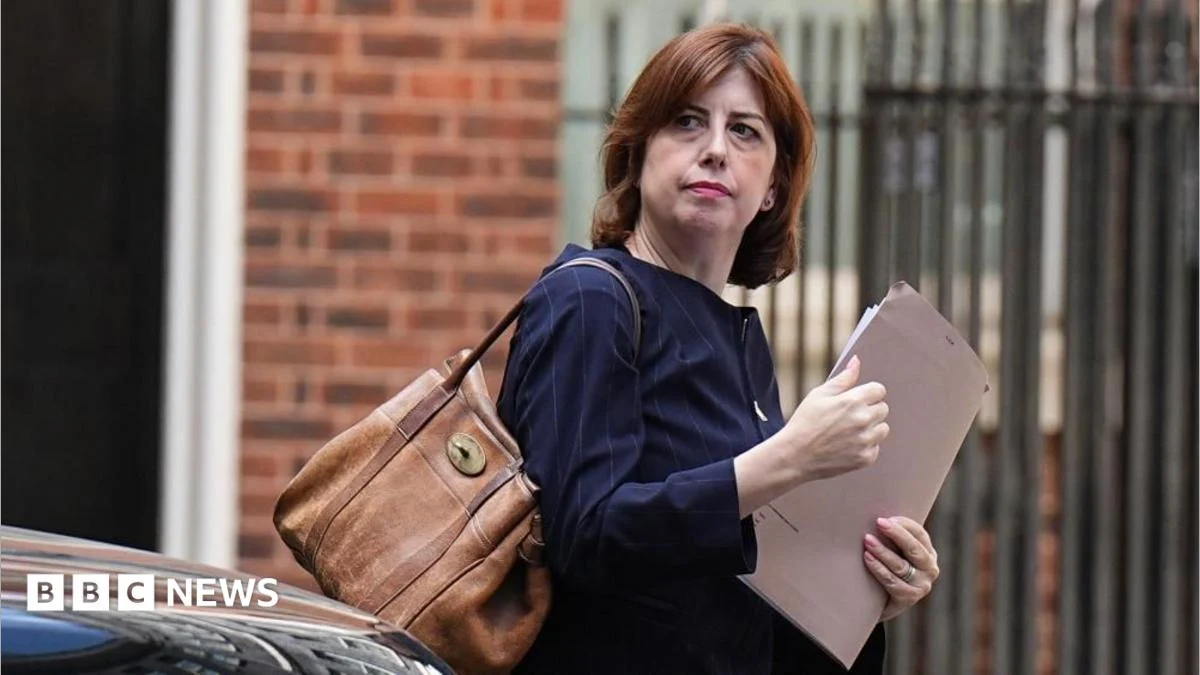
The Plan 2 loan system, which applies to students in England who commenced their studies between September 2012 and July 2023, and remains in effect for students in Wales, has been a persistent source of controversy. Under this scheme, graduates are required to repay 9% of their earnings above a specific threshold. The structure of these loans, particularly their interest rates, has drawn heavy criticism for placing a substantial and often unmanageable burden on young professionals. Powell’s personal connection to the issue, revealing that her eldest child is a Plan 2 loan holder, underscores her intimate understanding of the financial pressures and emotional toll it exacts. Speaking to Matt Chorley on BBC Radio 5 Live, she described her familiarity with the problem, noting that it extends beyond merely the repayment threshold to encompass the contentious interest rate, calculated as the Retail Prices Index (RPI) plus an additional 3%. This combination, she argues, creates a situation where many graduates face high monthly repayments without ever making a dent in the original capital, leading to a perpetual state of indebtedness that fundamentally undermines the promise of higher education.
A pivotal concern driving the current debate is the government’s decision, announced in November last year, to freeze the repayment threshold for Plan 2 loans at £29,385 between 2027 and 2030. This policy choice means the threshold will not increase with inflation, as it would otherwise have done. The direct consequence of this freeze is that graduates will begin repaying their loans sooner than anticipated, and as their salaries gradually rise, a larger proportion of their income will be directed towards loan repayments. Campaigners, student bodies, and consumer advocates have vociferously called for a reversal of this decision, arguing that it disproportionately impacts graduates during a period of already heightened cost-of-living pressures. At the time, Shadow Chancellor Rachel Reeves, responding to the broader fiscal context, reportedly described the government’s measures as "fair and proportionate" for balancing "tax and spending," though her comments were made in the context of overall economic policy rather than an endorsement of the specific loan freeze. The perception remains that this policy shifts more of the financial burden onto graduates, exacerbating their financial precarity.
Further attempts to address the growing discontent emerged in April when the government implemented a cap on interest rates for some student loans in England, including Plan 2, limiting them to 6%. While this provided some relief from potentially higher interest rates driven by soaring inflation, it was widely seen as a temporary measure rather than a fundamental reform. Critics pointed out that even with a 6% cap, the interest rate still significantly outpaces typical savings rates and contributes to the rapid escalation of the loan balance, making the prospect of full repayment increasingly distant for many. This incremental adjustment falls short of the more substantial changes advocated by figures like Powell, who has consistently pushed for an RPI-only interest rate, eliminating the additional 3% premium. Her consistent position, even now as Education Secretary, highlights a deep-seated belief that the current structure is inherently unjust and unsustainable for a generation already grappling with unprecedented economic challenges.
The legitimacy of the student loan system has been further eroded by recent revelations concerning its initial promotion. This month, MPs on the Treasury Committee issued a scathing assessment, concluding that comparing student loan repayments to short-term financial commitments like phone contracts or cinema tickets "amounted to mis-selling" by the government. This came in the wake of a BBC investigation that exposed promotional presentations from a decade ago, where the government reportedly used analogies such as "£30-a-month phone contracts" to describe student loan repayments to impressionable teenagers. The Committee’s findings underscored a significant breach of trust, as these comparisons fundamentally misrepresented the nature of student debt – a lifelong financial obligation with fluctuating interest rates and terms, vastly different from a fixed-term consumer contract. Such tactics, the Committee implied, misled a generation into taking on substantial debt without fully understanding its long-term implications, contributing to the widespread disillusionment with the system.
Adding another dimension to the political debate, Conservative leader Kemi Badenoch earlier this year proposed a specific reform: cutting the interest rate charged on Plan 2 loans to RPI only, effectively removing the additional 3% premium. With the current RPI rate at 3%, this would cap interest at a more manageable level, significantly reducing the burden on graduates. Badenoch’s proposal, while coming from the opposition benches (or from within her own party during a leadership contest), demonstrates a cross-party recognition of the severity of the issue and the need for significant structural change. It aligns closely with Lucy Powell’s long-held position, suggesting a potential area of consensus across the political spectrum on at least one aspect of student loan reform. This convergence of views indicates that the pressure for change is not confined to one party but reflects a broader societal demand for a fairer deal for students.
Beyond the specific mechanisms of Plan 2 loans, Powell’s concerns touch upon the wider ramifications of the current system, describing it as a "real cost-of-living issue" for young people. The perpetual nature of the debt, where high repayments often fail to reduce the capital owed, creates a significant drag on graduates’ financial progress. This burden affects major life decisions, from the ability to save for a house deposit and achieve homeownership to starting a family or pursuing less lucrative but personally fulfilling career paths. The psychological impact of carrying such a substantial, seemingly insurmountable debt can also be profound, contributing to stress and anxiety among young adults. Furthermore, the system places a considerable fiscal strain on the public purse, as a significant proportion of loans are ultimately written off, requiring government financing and raising questions about the long-term sustainability and equity of the higher education funding model.
As the new Education Secretary, Lucy Powell faces a formidable challenge. The scale of outstanding student debt is immense, and any fundamental changes to the system carry significant fiscal implications, potentially costing billions. Navigating this complex landscape will require a delicate balance between responding to the legitimate grievances of graduates and ensuring fiscal responsibility. Her in-tray will undoubtedly involve exploring a range of options, from adjustments to interest rates and repayment thresholds to potentially more radical reforms of the entire funding model for higher education. The political stakes are high, with millions of graduates and future students keenly watching for concrete action. Powell’s commitment to ensuring fairness, while acknowledging the inability to make immediate promises, sets the stage for a period of intense scrutiny and potential reform, aiming to restore trust and sustainability to a system that underpins the educational and economic future of a generation. The outcome will shape not only the financial well-being of millions but also the very perception of opportunity in modern Britain.



 Roy Suryo

 Nakalama John
 atisusanti
