atisusanti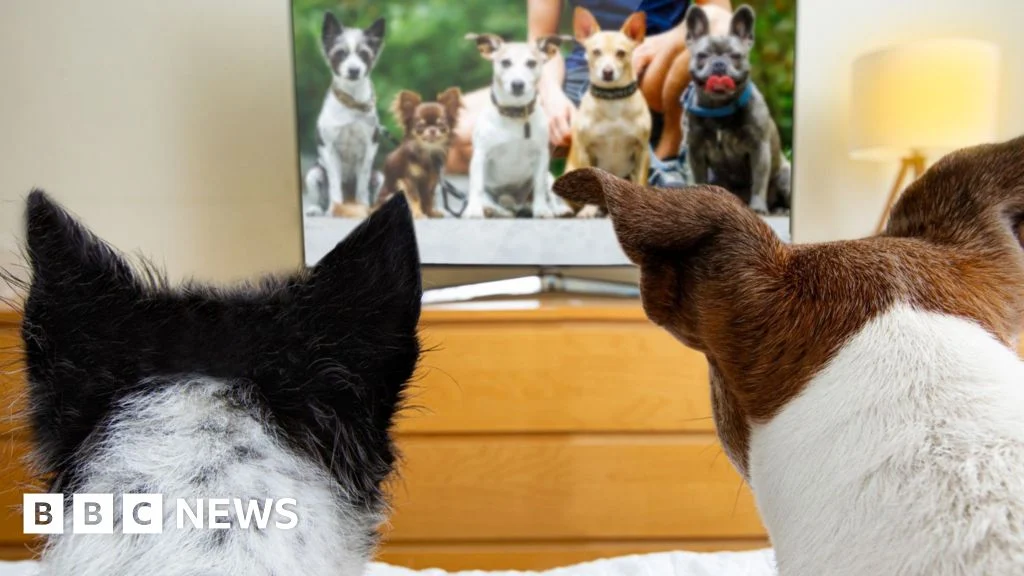
Seven days ago, on April 9, 2026, technology reporter David Silverberg from Toronto filed a story that delves into the burgeoning market of television programming designed specifically for canine viewers, while simultaneously questioning the actual engagement and benefit these programs provide to our four-legged companions. The article, rich with anecdotes and expert opinions, explores the motivations behind this trend and the scientific evidence, or lack thereof, supporting its efficacy.
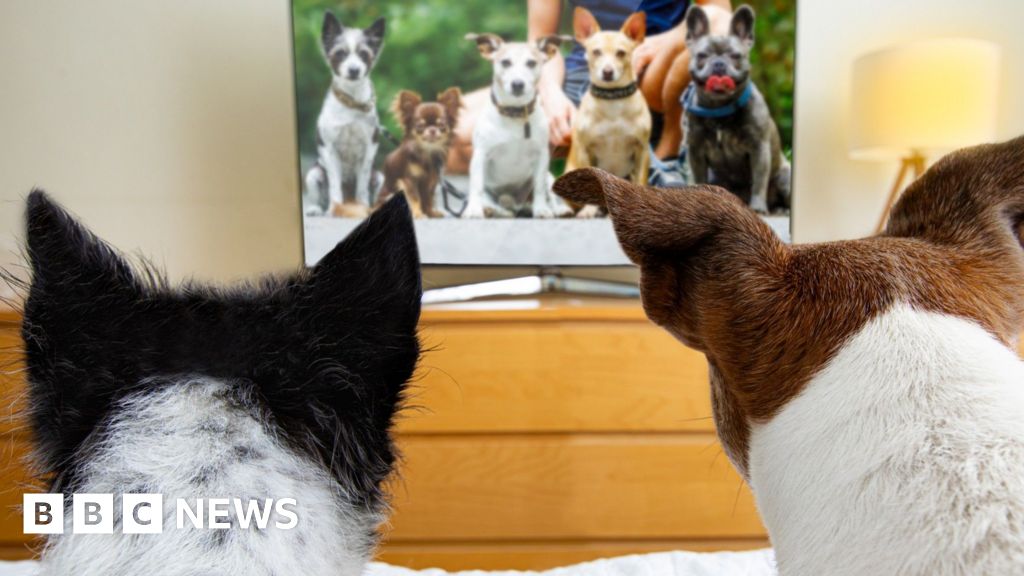
The genesis of this peculiar industry can be traced back to a moment of canine empathy experienced by Luca Carano, a pilot now residing in Bologna, Italy. Six years prior, while living in Barcelona with his then-girlfriend, Carano found himself contemplating his dog Luna’s potential boredom and loneliness as they left her home alone for an evening dinner. This concern sparked an idea that would eventually lead to the creation of Siesta Dog TV, a YouTube channel dedicated to providing visual entertainment for dogs, employing colors optimized for their vision. The channel features extended videos, some lasting up to ten hours, showcasing animated dogs in vibrant settings like New York City or observing tranquil duck ponds. These visuals are accompanied by calming, classical-inspired or ambient music, all curated to foster a relaxed state in canine viewers. Carano’s dedication has paid off, with one of his videos garnering an impressive 3.5 million views. He shares, "I’ve seen how Luna enjoys these videos, and I get so many comments from people who say they feel great leaving their dog alone with my videos because it calms them."
Carano’s initiative is merely one facet of a rapidly expanding market. Over the past six years, "TV for dogs" has witnessed a significant boom, driven by an increasing number of pet owners who express concern about leaving their dogs unattended. Nicholas Dodman, director of the Center for Canine Behaviour Studies in Connecticut, observes, "People are more closely attached to their dogs than ever before and they treat them like children and worry about leaving them alone." This heightened emotional bond has fueled the demand for dog-friendly television. Alongside Siesta Dog TV, a plethora of channels have emerged, including Four Paws TV, Cartoon Dog Music, Puppy Dreamscape, and Sleepy Cats. These platforms offer a diverse range of content, from puppies frolicking and close-ups of squirrels to endless loops of squishy toys being enjoyed by other animals or even humans. Carano’s approach, however, emphasizes blue hues, a deliberate choice as dogs perceive these colors more clearly than others. The production of such content has been significantly streamlined by advancements in artificial intelligence. "Some of our videos are AI, some are hand-drawn, and technology allows us to make the videos set wherever we want, like Hawaii," Carano explains. "And when it comes down to it, dogs don’t care if what they are seeing is AI."

Despite the proliferation of these channels and the anecdotal evidence of their calming effects, the crucial question remains: do dogs actually watch television, and does it genuinely benefit them? The scientific research on this topic presents a mixed picture. A study conducted by the Canine Behaviour Centre at Queen’s University Belfast, published in 2023, investigated the reactions of 50 dogs in a rescue shelter to various screens. The findings indicated that dogs spent a mere 10.8% of the total available viewing time looking directly at the television monitors. The report concluded, "The dogs in this investigation directed relatively little attention towards the television monitors and habituated to their presence within a short period of time." The researchers emphasized the continued importance of traditional forms of canine enrichment, stating, "The provision of social contacts, both with other dogs and with humans, is essential and should be considered the most important form of environmental enrichment for confined dogs."
This observation of limited screen attention aligns with research conducted by Ilyena Hirskyj-Douglas, an assistant professor at the University of Glasgow’s School of Computing. Her two studies, which examined the interaction habits of two dogs with media on TV screens, suggested that dogs typically cannot maintain their focus on videos for extended periods. "I noticed short bursts of video consumption from dogs," she notes. However, it is important to acknowledge that her study’s sample size was limited.

Conversely, other research offers a more optimistic outlook. A study conducted by DogTV, a pioneer in the field, focused on the behavior of dogs whose owners reported that they already watched television. The report suggested, "Dogs experience a meaningful, object-filled world when they view television." It further posited, "Engagement with television could provide dogs with an enriching, meaningful experience."
Beke Lubeach, CEO of Arizona-based DogTV, which launched in the US in 2012, is a firm believer in the benefits of canine television. "Our videos help lower stress in dogs," she asserts, referencing a Purdue University study. This study found that dogs in a kennel environment who watched videos exhibited significantly less pacing and spent more time grooming and resting. DogTV’s content primarily features real dogs, with AI integration being limited. Lubeach expresses reservations about the widespread reliance on AI for mass-produced content, stating, "Many copycat services are turning to AI to mass-produce content, but at DogTV, we don’t believe shortcuts belong in pet wellness." She clarifies their approach: "While we are actively testing AI and beginning to use it on a limited basis within select production elements, we are doing so thoughtfully and with strict oversight." DogTV’s videos undergo post-production editing to enhance colors that are appealing to dogs. "What’s interesting is when you enhance the reds, the greens, it gives the video more dimension so that it makes the colors pop out and helps dogs see them better," Lubeach explains.

DogTV also offers programs that incorporate elements akin to exposure therapy. Recognizing that many dogs suffer from anxieties related to fireworks or car rides, their videos depicting these experiences are designed to help nervous dogs gradually confront and overcome their fears. "The more dogs get to see it in a controlled environment, the less anxious they’ll be when they go out and experience it," Lubeach suggests.
Ultimately, Lubeach emphasizes that the effectiveness of television varies significantly among individual dogs and even different breeds. A video of dogs relaxing in a field might be soothing for one dog, while another might prefer more stimulating content, such as dogs chasing each other in a park. For less active dogs, particularly senior canines, television can serve as a crucial form of mental stimulation. "Video content is mental stimulation for senior dogs and for lazy dogs, because if they aren’t being physical often they still need to exercise their mind," Lubeach concludes. The booming market for dog-centric television, therefore, caters to a spectrum of needs, from alleviating separation anxiety to providing mental engagement, even as the debate continues regarding the extent of actual canine viewership and the depth of its impact.




 George Anjay
 Nakalama John
 Ramos Leo