
 Nakalama John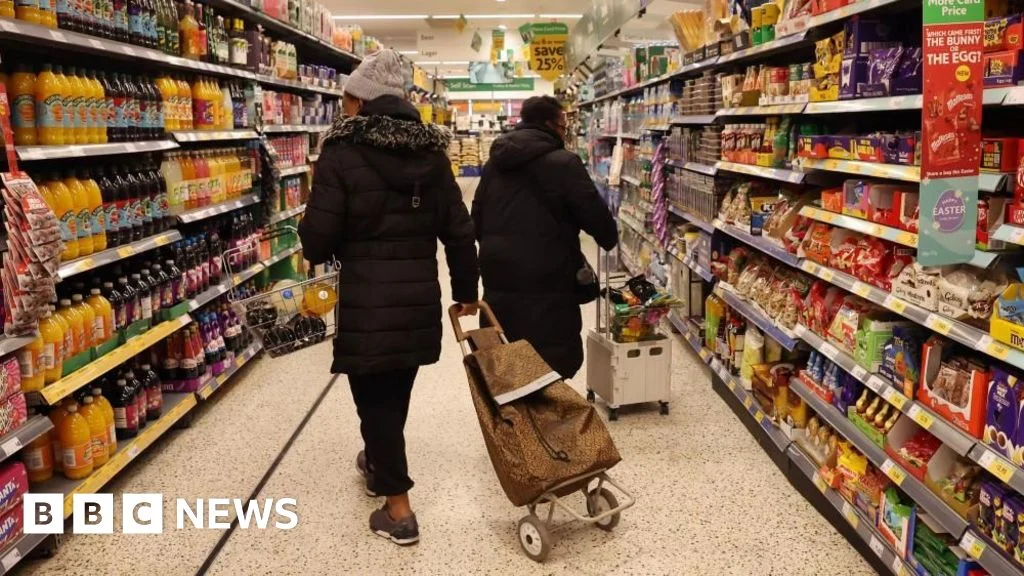
The United Kingdom stands on the precipice of the most significant economic downturn among the G20 major economies, a direct consequence of the escalating geopolitical tensions and potential conflict involving Iran. This stark warning comes from the Organisation for Economic Co-operation and Development (OECD), an influential global policy group renowned for its comprehensive economic analysis and forecasts. The OECD’s latest projections paint a challenging picture for the UK, significantly revising down its growth expectations for the current year while simultaneously predicting a sharper rise in inflation than previously anticipated.
According to the OECD’s updated economic outlook, the UK’s economic growth for this year is now forecast to be a mere 0.7%. This represents a substantial downgrade from its earlier, more optimistic projection of 1.2%, effectively halving the expected growth rate. Concurrently, the forecast for inflation has been revised upwards, signaling increased pressure on household budgets and business operating costs. This revision reflects the profound and far-reaching impact of the conflict in the Middle East, which has reverberated across global markets, primarily through disrupted energy supplies and surging commodity prices. The OECD’s report underscores a broad downgrading of forecasts for many of the world’s largest economies, but singles out the UK for its particular vulnerability.
The core of this economic vulnerability stems from the potential for a prolonged conflict in the region, which, as the OECD warns, could trigger "significant energy shortages" globally. The Strait of Hormuz, a critical maritime chokepoint through which roughly 20-30% of the world’s oil supply passes, has become a focal point of concern. Any disruption or effective closure of this vital shipping lane, coupled with potential damage to oil and gas production facilities in the Middle East, would inevitably send wholesale oil and gas prices soaring. Indeed, since the onset of the current tensions, these prices have already seen a sharp increase, reflecting market anxieties and the immediate impact on supply chains.
Beyond energy, the ripple effects extend to global food security. A sustained sharp rise in fertiliser prices, directly linked to the cost of natural gas, a key input in their production, is predicted to impact crop yields negatively and lead to a significant surge in food prices next year. This dual threat of higher energy and food costs creates a potent inflationary cocktail that governments and central banks worldwide are struggling to contain. For economies like the UK, which are net importers of energy and heavily reliant on global supply chains, these external shocks are particularly damaging.
Experts are united in their apprehension that a prolonged period of elevated energy prices will inevitably dampen economic growth. Businesses face increased operational costs, consumers grapple with higher utility bills and fuel prices, and investment decisions become more cautious. Moreover, this inflationary pressure makes it exceedingly difficult for central banks to ease monetary policy. The Bank of England, like its counterparts, is tasked with maintaining price stability. High inflation figures reduce the likelihood of interest rate cuts, which are often used to stimulate economic activity. Instead, persistent inflation could necessitate further rate hikes, exacerbating the slowdown in growth and potentially pushing economies closer to recession.
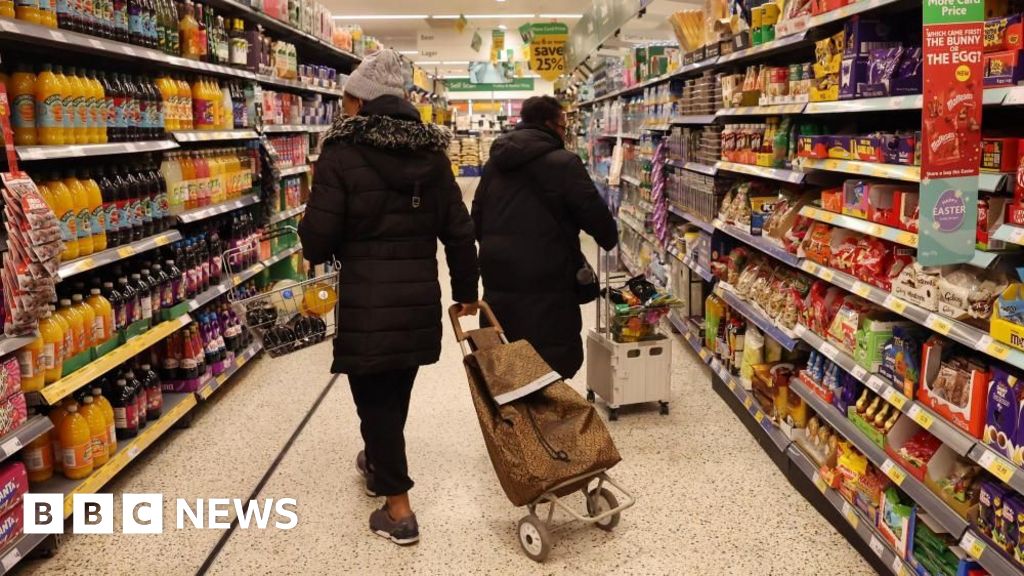
Globally, the OECD’s growth forecast for this year remains unchanged at 2.9%, suggesting that while many economies are affected, some may be more resilient or less exposed than the UK. However, the prediction for inflation across the G20 countries has been sharply revised upwards to 4%, a significant jump from the previous forecast of 2.8%. This indicates a widespread inflationary environment, but the UK’s situation appears particularly acute. The UK’s domestic inflation is now forecast to hit 4% this year, up from the previous estimate of 2.5%. While the OECD predicts a drop to 2.6% in 2027, this is still higher than its earlier projection of 2.1%, suggesting a more persistent inflationary challenge.
A deeper dive into the G7 economies reveals the UK’s precarious position. Among these leading industrial nations, only the United States is predicted to experience higher inflation than the UK in the forecast period. Furthermore, only Italy is expected to see weaker economic growth. This comparative analysis highlights the specific challenges facing the British economy, which appears to be disproportionately impacted by the geopolitical fallout. Factors contributing to this heightened vulnerability might include the UK’s relatively high reliance on imported energy, its service-oriented economy which can be sensitive to consumer spending cuts driven by inflation, and potentially pre-existing economic fragilities.
It is worth noting that these forecasts from the OECD follow earlier assessments by domestic bodies. In early March, the UK government’s official forecaster, the Office for Budget Responsibility (OBR), had already trimmed its expected growth rate for the UK this year to 1.1% from the 1.4% it predicted in last year’s Budget. However, this OBR forecast was made prior to the most recent escalation of tensions involving Iran, which the OBR itself acknowledged could have a "very significant" impact on economies. The OECD’s updated figures thus reflect a more current and potentially graver assessment of the situation.
Responding to the forecast, government officials acknowledged that the escalating conflict would inevitably affect the UK. A spokesperson for the Treasury emphasized that "in an uncertain world we have the right economic plan," asserting that the decisions taken by the government have positioned the country better to protect its finances and family budgets from global instability. This statement suggests a belief in the resilience of current economic strategies despite the external shocks.
However, opposition parties were quick to seize on the downgrade, portraying it as a severe indictment of the government’s economic stewardship. Rachel Reeves, the Shadow Chancellor, highlighted the forecast as a "damning verdict on how vulnerable our economy is," arguing that it reflects a failure to build sufficient resilience. "The government can blame the world all it wants, but it’s its choices that have weakened our economy at the worst possible moment," a spokesperson for the Labour Party added, echoing Reeves’ sentiments. Similarly, the Liberal Democrats characterized the forecast as a "wake-up call that the government’s anti-growth agenda" was directly costing families, criticizing policies they believe hinder economic expansion.
The OECD’s outlook, while influential, is inherently a guide to the most likely future scenarios, acknowledging that economic forecasts are subject to change due to the myriad of unpredictable factors affecting global growth. Crucially, the organisation’s predictions are predicated on the assumption that the current energy market disruption will ease, with oil, gas, and fertiliser prices gradually falling from summer onwards. Should this assumption not hold true, the economic consequences could be even more severe than currently projected.

In terms of policy recommendations, the OECD advises governments to implement measures that cushion households from the impact of higher energy prices. However, these measures "should be timely, well-targeted on households most in need and viable firms, preserve incentives to lower energy use and have clear expiry mechanisms." This nuanced approach aims to provide necessary support without distorting market signals or creating long-term fiscal burdens. Any such package in the UK would be constrained by the government’s borrowing rules and its desire to keep inflation and interest rates "as low as possible," indicating a careful balancing act between immediate relief and broader economic stability.
Looking further ahead, the OECD stressed the importance of policies that improve domestic energy use and reduce reliance on imported fossil fuels over the medium term. This strategic shift towards greater energy independence and efficiency is seen as crucial for insulating economies from future geopolitical shocks and commodity price volatility. Investments in renewable energy, energy efficiency programs, and diversification of energy sources are all part of this long-term vision.
The real-world implications of these economic pressures are already being felt across various sectors. UK clothing retailer Next recently issued a warning that it is likely to have to raise prices for customers if the conflict persists. The retailer estimated that it could face approximately £15 million in additional costs, primarily from increased fuel and air freight expenses, if the conflict continues for three months. While these initial costs have been offset by savings elsewhere within the company, Next indicated that if the war extends beyond three months, "we will begin to pass costs through as higher pricing – but for today that remains a contingency not a plan." This example from a major consumer-facing business illustrates the direct impact on supply chains, operating costs, and ultimately, consumer prices. Similar pressures are expected to mount on other retailers, manufacturers, and transport companies, translating into a broader increase in the cost of living for UK households.
In conclusion, the OECD’s latest economic forecast serves as a potent reminder of the interconnectedness of global economies and the profound impact of geopolitical events. The UK, in particular, appears to be uniquely vulnerable among its G20 peers to the fallout from the escalating conflict involving Iran, facing a significant downgrade in growth prospects and a worrying surge in inflation. As the government grapples with these challenges, balancing immediate support with long-term economic stability, businesses and households across the country brace for a period of heightened uncertainty and increased financial pressure. The path ahead will demand careful navigation and potentially difficult policy choices to mitigate the severe economic headwinds emanating from a turbulent global landscape.




 George Anjay
 atisusanti

 Ramos Leo