
 Roy Suryo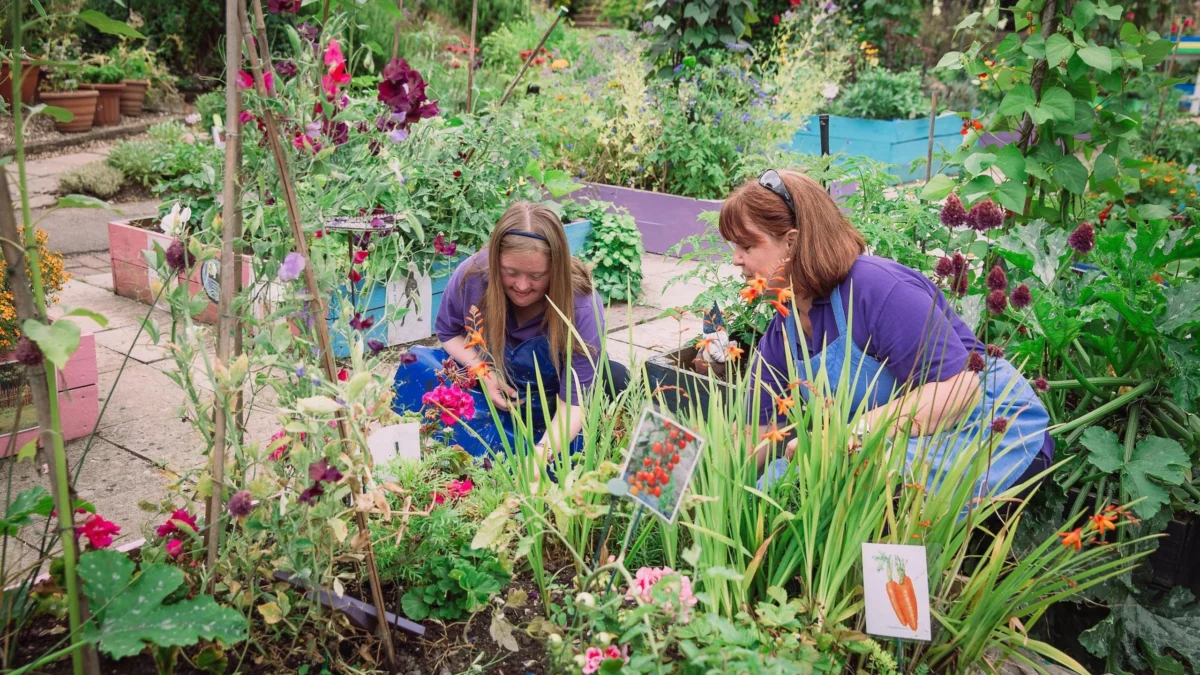
Wellness has become a bit of a buzzword – and one that often comes with a hefty price tag. Luxury spa days, floating sound baths in five-star hotels, retreats costing thousands of pounds; these are all wonderful, if you can afford them. But what about the rest of us? From health experts, entrepreneurs, and influencers, here are ways to pursue a healthy body, mind, and soul without exhausting your overdraft.
Head to wellness meetups
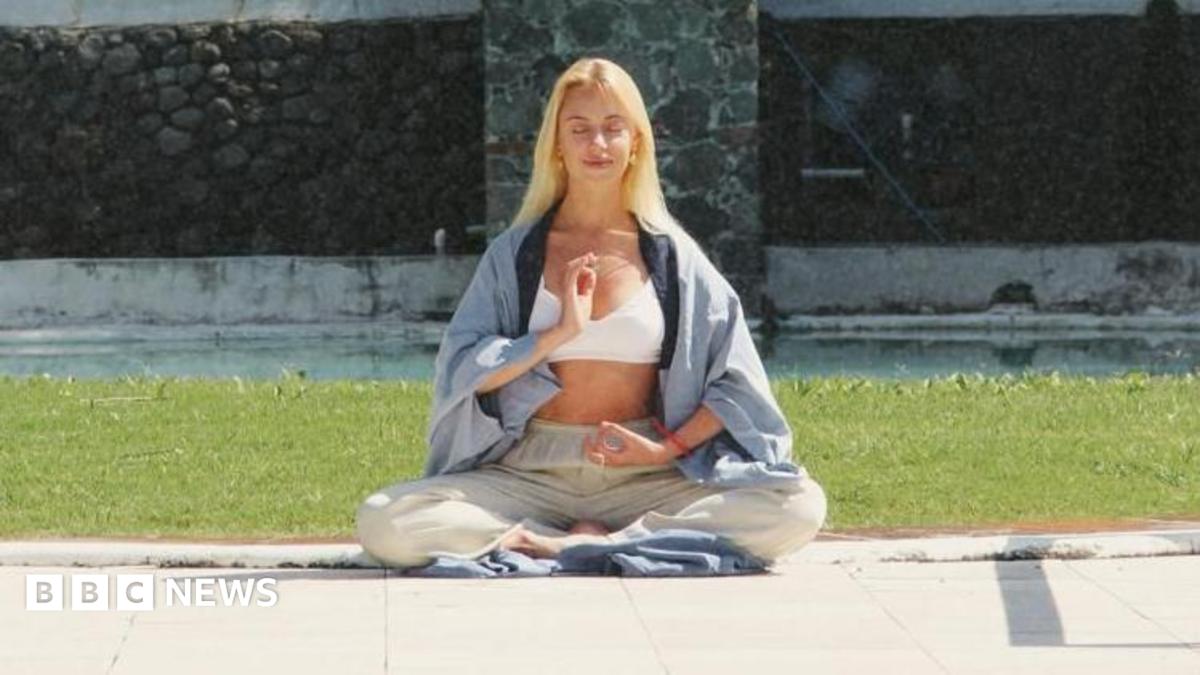
The cost of studio memberships can be pretty high, so people are increasingly organising their own free or affordable wellness-based gatherings. These can usually be found through local groups on social media and on platforms like Meetup. Yoga teacher Anastasiia Mirraslavska, for example, hosts a meetup called Sunday Reset in London. Every month, the group meets in a different city park to do yoga and meditate together, and they also come together for online meditation sessions over Zoom. Some of the sessions are paid-for – about £10 – and others are free. "I wanted to create a space where people could experience [yoga and meditation] in a simple and accessible way," she told the BBC. Erica Correa, a model, is trying to do something similar in Liverpool. She’s started arranging a regular meetup called Soft Sunday, where people come together for curated wellness experiences. The last session was a Pilates class, followed by a beauty experience. "Everything about Soft Sunday is intention over expense," she told the BBC. "Wellness is more about the decisions that you make in life, how you protect your time." For now, they’re invitation-only, but she’s hoping to open them up to more people soon. These community-driven initiatives highlight a growing trend towards democratising wellness, making it accessible to a wider audience regardless of their financial standing. The emphasis on shared experience and intention over material cost fosters a strong sense of belonging and mutual support among participants.
Start gardening (even if you don’t have a garden)
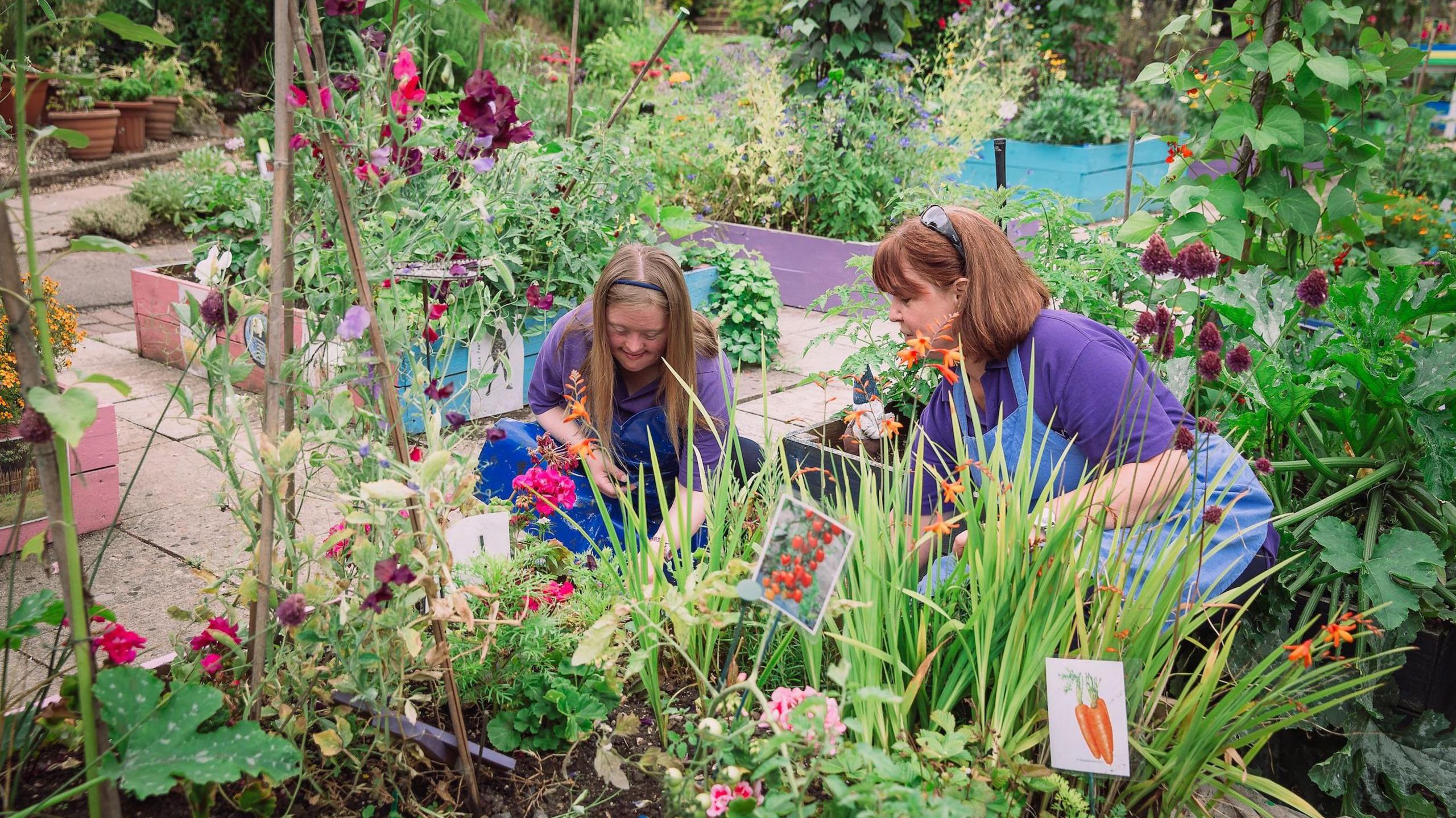
Gardening is often described as boosting physical and mental wellbeing, and it doesn’t have to mean spending hundreds of pounds on plants and equipment. Research by the Royal Horticultural Society (RHS) found that people who garden every day report higher wellbeing and lower stress levels. If you don’t have your own garden, many councils offer allotments where you can rent a plot for a relatively small annual fee. Community gardens are another option – you can find ones local to you on the Good to Grow map, or the RHS’s website. Many welcome volunteers free of charge and provide tools and equipment, making it easy to get outdoors, meet new people, and learn new skills. Thrive, a charity that uses gardening to support people’s health and wellbeing, says community gardens are about much more than growing plants. Damien Newman, Thrive’s training, education and consultancy manager, said they provided "the opportunity to be engaged in gardening and connect to a welcoming social group." "It’s good across our holistic health spectrum, good physically, cognitively, socially, psychologically and emotionally," he said. The act of nurturing plants and connecting with the earth has profound therapeutic benefits, reducing cortisol levels and promoting a sense of accomplishment. Community gardens, in particular, foster social interaction and combat feelings of isolation, creating vibrant hubs of shared activity and learning. The simple rhythm of planting, tending, and harvesting can be a powerful antidote to the stresses of modern life, offering a tangible connection to the natural world and a sense of purpose.
Take up an ‘old-fashioned’ hobby
From birdwatching to crocheting, hobbies once seen as old-fashioned are also finding a new audience as people look for inexpensive ways to improve their wellbeing. Birdwatching, for example, costs little more than a trip to your local park, with local groups and online communities across the UK. You can search for birdwatching groups near you on the RSPB’s website. And its benefits may go beyond simply spending time outdoors. Research suggests that just 30 minutes of birdwatching can boost happiness, improve wellbeing, and help people feel more connected to nature. Crochet is also making a comeback and can be picked up for just a few pounds. All you need to get started is a hook and a ball of yarn. Research has also linked crochet with improved wellbeing, with people saying it helped them cope with stress, grief, chronic illness, and other life challenges. These seemingly simple activities offer a gateway to mindfulness and a sense of accomplishment. The repetitive nature of crochet can be deeply calming, akin to meditation, while birdwatching encourages observation and a deeper appreciation for the natural world. By engaging in these hobbies, individuals can cultivate patience, creativity, and a profound sense of peace, proving that personal growth and fulfillment don’t require significant financial investment. The revival of these "slow" hobbies speaks to a broader societal shift towards valuing presence, craftsmanship, and a connection to tangible creation over passive consumption.
Get moving outdoors
Exercise doesn’t have to revolve around the gym. Whether it’s bodyweight workouts, outdoor yoga, or running, there are plenty of ways to stay active without spending much money. Bodyweight training, also known as calisthenics, uses your own body weight for exercises such as push-ups, squats, and pull-ups to help build strength. Because it requires little or no equipment, it’s an easy way to improve strength, flexibility, and co-ordination at home or in your local park. Running has also grown in popularity, with about 7.1 million adults now taking part – an increase of more than 500,000 over the past year – with more people joining local run clubs or heading out on their own. For beginners, the NHS Couch to 5K programme offers a free nine-week plan designed to gradually build fitness and help people run five kilometres without stopping. And once you’ve reached that point, you could try one of the almost 1,500 free parkruns in the UK every weekend – find one close to you on the Parkrun website. Embracing outdoor exercise not only offers physical benefits but also provides crucial exposure to sunlight, which aids vitamin D production and regulates sleep patterns. The natural environment acts as a powerful stress reliever, with studies showing that spending time in green spaces can significantly reduce anxiety and improve mood. The accessibility of free resources like Couch to 5K and parkrun democratises fitness, removing financial barriers and fostering a sense of community among individuals pursuing health and well-being.
Find your zen with online sound baths
Sound baths are very 2026. For the uninitiated, a sound bath is where a practitioner plays crystal or Tibetan sound bowls, gongs, and chimes in a soothing way. They’re calming, relaxing, and the vibrations can help put you into a meditative state. But depending on where you are, in-person sessions can be pricey, or hard to come by. So, for an affordable alternative, you can find recordings of sound baths on platforms like YouTube and Spotify and recreate the experience at home. Some meditation apps also have in-built sound options that you can meditate to, though these sometimes come with a subscription cost. Lyz Cooper, founder of the British Academy of Sound Therapy, told the BBC that while the quality of recordings online can vary, there are good ones out there – just make sure to look up recordings created by experienced practitioners or established organisations. "If you wear over-ear headphones, lie down, close your eyes, and make sure you are in a place where you’re not going to be disturbed, the therapeutic benefits of listening are potentially very good," she said. "Ultimately, the most important thing is that people find an approach they’ll genuinely use." The advent of digital platforms has made once exclusive wellness practices widely accessible. Online sound baths offer a convenient and cost-effective way to experience deep relaxation and stress reduction from the comfort of one’s own home. By leveraging readily available technology, individuals can tap into the restorative power of sound frequencies to promote mental clarity and emotional balance. The key, as experts suggest, lies in intentional engagement and finding resources that resonate personally, ensuring that these accessible tools translate into tangible benefits for overall well-being.




 Nakalama John
 atisusanti
 Ramos Leo
