George Anjay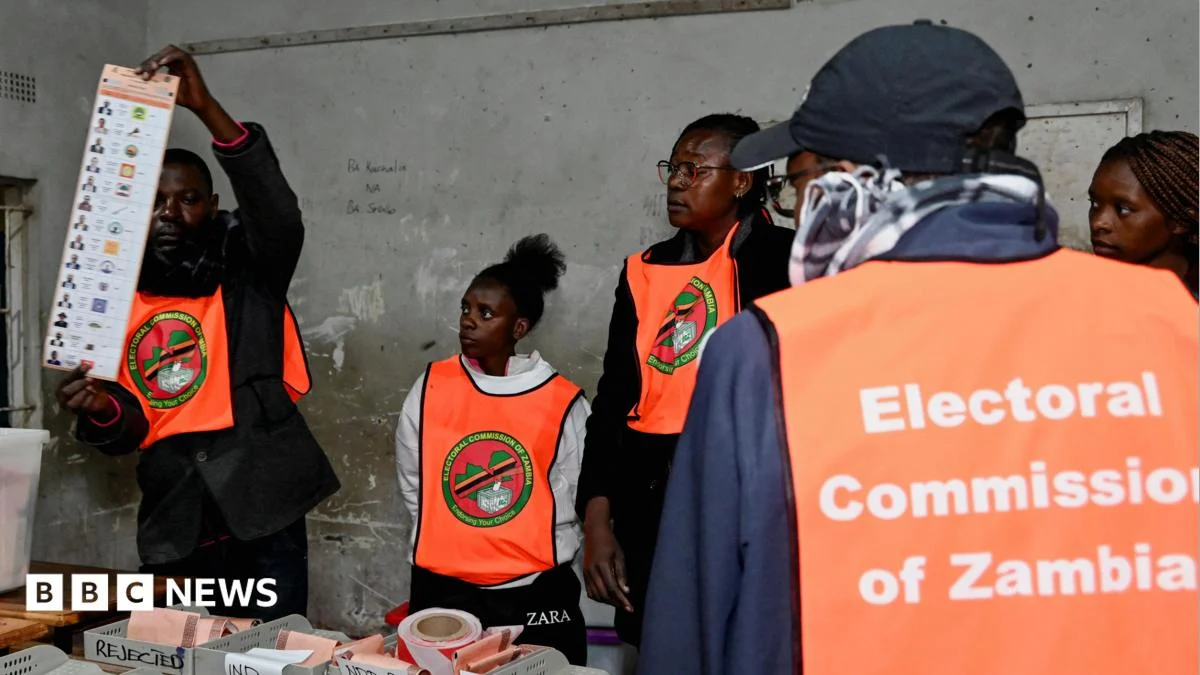
Security forces in Zambia have seized weapons and arrested 11 individuals, including prominent opposition figures, who the government alleges were involved in a sophisticated insurrection plot. The dramatic development unfolded days after a presidential election, injecting a significant dose of uncertainty and tension into a process that had, until this point, been largely characterized by observers as peaceful and orderly. The raid, which took place in the capital city of Lusaka on Friday night, has cast a shadow over the ongoing tabulation of election results and raised serious questions about the political climate in the southern African nation.
Among those detained at the scene of the raid was Brian Mundubile, the leading opposition candidate in last Thursday’s presidential election and a key figure in the Patriotic Front (PF) party. Mundubile, who is currently trailing incumbent President Hakainde Hichilema in the preliminary results, described the raid as a direct "attempt on my life." He further alleged that his "colleagues were shot" in his presence during the operation, a claim that has been vehemently denied by the authorities. The presence of such a high-profile opposition leader at a location where weapons were allegedly found and arrests were made has amplified the gravity of the situation.
Patrick Kangwa, the country’s top civil servant, provided further details about the raid during a government briefing, stating that the arrested individuals were linked to "military plans involving foreign nationals and illegal military training camps." Kangwa asserted that these individuals posed "a serious threat to state security" and were found in possession of "high-grade military weapons," ammunition, and other materials purportedly intended for use in an armed insurrection. He also alleged that shots were fired at law enforcement officers, leading to an exchange of fire. The inclusion of foreign nationals and the mention of military training camps suggest a potentially wider and more organized conspiracy than initially suspected.
The arrests have implicated several other figures, including Patrick Mwansa, the husband of Tasila Lungu, the daughter of former Zambian President Edgar Lungu. The involvement of individuals connected to the former head of state’s family adds another layer of complexity to the unfolding events, potentially indicating deep-rooted political machinations. The suspects are currently being held in custody at various police stations across Lusaka, and their interrogation is expected to shed more light on the alleged plot.
While Zambians are still awaiting the full and final results of the presidential election, the government’s announcement of the raid has introduced a palpable sense of unease. Despite the official assertion that the "mood remains stable," there is a noticeable increase in security presence in certain areas of the capital, suggesting a heightened state of alert. The electoral commission had, in fact, briefly suspended the counting and announcement of results on Friday, citing instances of violence against polling staff and the theft of marked ballot papers. Although the suspension was lifted the same day, with authorities claiming the security threat had been contained, the timing of these incidents, coinciding with the raid, raises concerns about the overall integrity and security of the electoral process.
Brian Mundubile had previously been vocal about his dissatisfaction with the electoral process, making a series of allegations regarding irregularities. These included claims of military involvement at tallying centers and discrepancies concerning ballot boxes. He also stated that he was being interrogated by Zambian army officers over two videos he had released and alleged that he had been assaulted while in custody, assertions that the authorities have consistently denied. His accusations extended to a surprising claim that Tanzania had sent individuals to interfere in the election, an allegation that the Tanzanian government has firmly rejected as false and unfounded, describing it as a baseless accusation.
The preliminary statements from election observers, while acknowledging that election day itself was largely peaceful and orderly, did highlight some concerns that had been present in the lead-up to the poll. These included issues surrounding late electoral reforms, the state of media freedom, and unequal access to media platforms for political contestants. These pre-election concerns, coupled with the current allegations of an insurrection plot and the arrests of key opposition figures, paint a more complex and potentially volatile picture of Zambia’s political landscape.
The nature of the alleged insurrection plot, as described by the government, involving military plans, foreign nationals, and illegal training camps, suggests a significant challenge to national security. The possession of "high-grade military weapons" and ammunition further underscores the perceived severity of the threat. The government’s swift action in detaining the suspects and publicly announcing the alleged conspiracy aims to project an image of decisive governance and a commitment to maintaining order. However, it also carries the risk of being perceived as a politically motivated crackdown on opposition dissent, particularly given the timing and the involvement of senior opposition figures.
The international community will be closely monitoring the developments in Zambia. The country has a history of relatively peaceful transitions of power, and any significant political instability or perceived erosion of democratic norms could have repercussions for regional stability and foreign investment. The Zambian electoral commission’s decision to briefly suspend results, even if attributed to security threats, adds to the narrative of potential challenges to the electoral process. The lifting of the suspension, however, indicates a confidence from the authorities that the immediate security concerns have been addressed.
The legal ramifications of the arrests and the ensuing investigation are yet to unfold. The evidence presented by the government will be crucial in determining the extent to which the allegations of an insurrection plot are substantiated. The opposition, on the other hand, will likely seek to challenge the arrests and defend their members against the charges. The transparency and fairness of the judicial process that follows will be a critical test for Zambia’s commitment to the rule of law.
The ongoing tabulation of the presidential election results continues amidst this heightened political tension. The outcome of the election, combined with the fallout from these arrests, will shape the future political trajectory of Zambia. The government’s narrative of thwarting a serious security threat is being countered by the opposition’s claims of an attempt on their lives and potential political persecution. The coming days and weeks will be crucial in discerning the full truth behind these dramatic events and their impact on Zambian democracy. The presence of foreign nationals in alleged military plans also raises questions about external influences on domestic politics, a factor that often carries significant geopolitical implications. The alleged assault on Mundubile while in custody, though denied by authorities, if proven, would further complicate the legal and political landscape, potentially leading to human rights concerns. The careful navigation of these complex and intertwined issues will be paramount for Zambia as it seeks to uphold its democratic credentials and ensure a stable and prosperous future for its citizens.


 Nakalama John
 Ramos Leo
 Nana Banana