
 atisusanti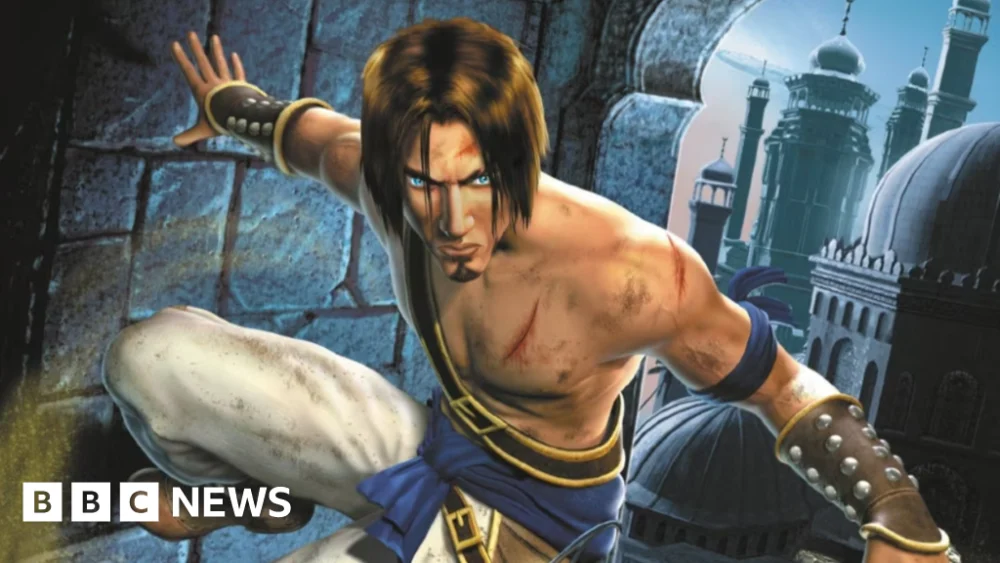
Ubisoft, the globally recognized French developer and publisher renowned for its blockbuster franchises like Assassin’s Creed, Far Cry, and Just Dance, has initiated a significant operational restructuring, marked by the cancellation of six video games. Among the axed titles is the highly anticipated remake of Prince of Persia: The Sands of Time, a decision that has sent ripples through the gaming community and contributed to a sharp decline in the company’s stock. This sweeping "major reset" also includes the closure of two studios and the postponement of seven other titles, a strategic move aimed at fostering a "return to sustainable growth," according to Ubisoft CEO Yves Guillemot. The announcement, made on Thursday morning, saw the company’s shares plummet by a staggering 33%, underscoring the market’s reaction to this profound shift in strategy.
The decision to halt development on the Prince of Persia: The Sands of Time remake arrives at a time when the video game industry is experiencing a resurgence in remakes and remasters. This trend has been validated by the commercial success of recent re-imagined titles such as Super Mario Galaxy, Oblivion, and Metal Gear Solid 3 in 2025. Given that the original Prince of Persia: The Sands of Time was a critical and commercial triumph, selling millions of copies in 2003, the cancellation of its remake has left many fans bewildered and disappointed. While Ubisoft has not officially disclosed the full list of discontinued titles, it has confirmed that in addition to the Prince of Persia remake, four other unannounced games are being shelved. These include three titles based on entirely new intellectual properties (IPs) and a mobile game.
This strategic recalibration has also led to the closure of two Ubisoft studios: one in Stockholm, Sweden, and another in Halifax, Canada. The Stockholm studio was reportedly working on a new IP, while the Halifax facility was involved in mobile titles for the Assassin’s Creed franchise. The closure of Ubisoft Halifax, in particular, carries a somber undertone, as it was announced in January of the same year that the studio’s employees had successfully formed a union. CEO Yves Guillemot acknowledged the difficulty of these decisions, stating, "While these decisions are difficult, they are necessary for us to build a more focused, efficient, and sustainable organization over the long term." He further emphasized the significance of these measures, describing them as a "decisive turning point for Ubisoft and reflect our determination to confront challenges head-on to reshape the Group for the long term."
Industry analyst Piers Harding-Rolls commented on Ubisoft’s move, suggesting it reflects a broader effort to mitigate risk within the volatile gaming market. "It’s less risky to maintain scale by investing in existing big franchises such as Assassin’s Creed and Rainbow Six than launch entirely new IPs, and that’s reflected in the cancellation of a number of games based on new IPs," Harding-Rolls explained to the BBC. This sentiment aligns with the industry’s increasing reliance on established brands to ensure financial stability, especially in the face of escalating development costs for triple-A titles.
This is not the first instance of Ubisoft undertaking significant restructuring in recent years. In 2025, the company implemented layoffs, cutting 185 jobs across its European operations. In the UK, this restructuring included the closure of its Leamington office and significant changes to its Newcastle-upon-Tyne facility. Guillemot attributed the current strategic shift, in part, to the escalating competitiveness and rising development costs associated with the triple-A gaming sector. "On the one hand, the triple-A industry has become persistently more selective and competitive with rising development costs and greater challenges in creating brands," he stated in a company press release on Wednesday. The pressure on blockbuster game development is further exemplified by the ongoing delays in the industry, such as the recent postponement of Grand Theft Auto VI to November 2026.
Despite these industry-wide challenges, Guillemot remains optimistic about the potential of successful blockbuster games, noting that they can generate "more financial potential than ever." The company’s revised strategy will pivot towards the development of open-world adventure games, characterized by vast explorable environments, and live service games, which are designed to generate recurring revenue through ongoing player engagement and monetization. A key component of this new direction involves the enhanced focus on its established IPs. Ubisoft’s subsidiary, Vantage Studios, which was established following a substantial $1.25 billion investment from Chinese tech giant Tencent, is now tasked with the ambitious goal of transforming franchises like Assassin’s Creed, Far Cry, and Rainbow Six into "annual billionaire brands." This strategic pivot signifies a significant departure from Ubisoft’s previous development philosophy, signaling a concerted effort to streamline its operations, reduce financial exposure, and capitalize on its most lucrative intellectual properties for long-term, sustainable growth. The cancellation of new IPs and the remake of a beloved classic underscores the company’s commitment to a more focused and risk-averse future, prioritizing the continued success and expansion of its established gaming universes.


 George Anjay
 Nakalama John
 Ramos Leo
 Roy Suryo
 Nana Banana