atisusanti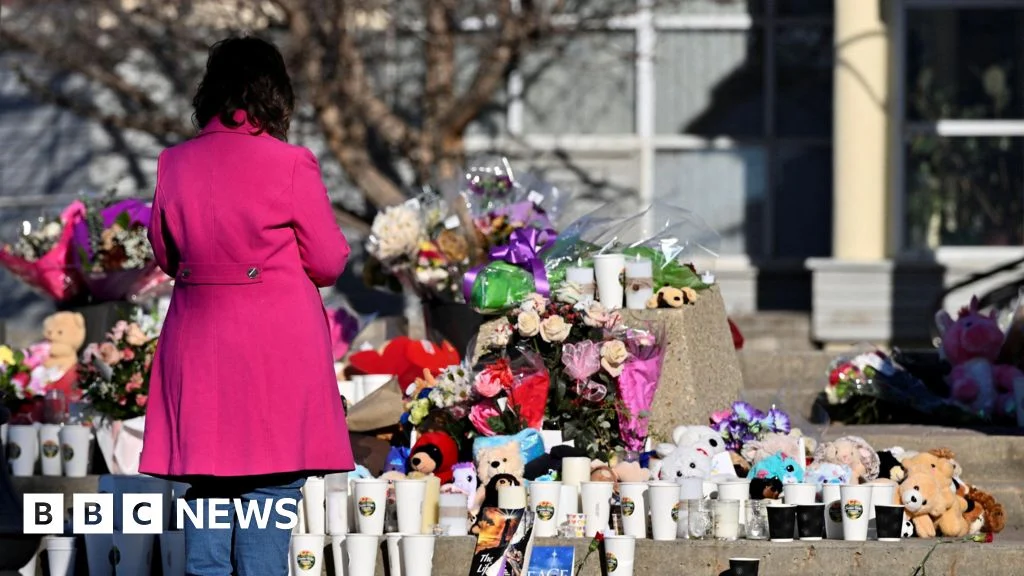
In a somber admission that has sent ripples through the tech world and the grieving community of Tumbler Ridge, Sam Altman, the co-founder and chief executive of OpenAI, has issued a profound apology for the company’s failure to notify law enforcement about a ChatGPT account linked to the individual responsible for the devastating mass shooting in January. The apology, delivered via a heartfelt letter to the residents of the small British Columbia community, acknowledges a critical lapse in judgment that OpenAI now recognizes could have had grave consequences. The account in question belonged to Jesse Van Rootselaar, an 18-year-old who, in a horrific act of violence, claimed the lives of eight individuals and left nearly 30 others injured, marking one of the most tragic mass shootings in the province’s history.
Altman’s letter, dated and sent on Thursday, expressed the depth of his regret: "I am deeply sorry that we did not alert law enforcement to the account that was banned in June." He further conveyed his understanding of the immeasurable pain the community has endured, stating, "The pain your community has endured is unimaginable." The decision to finally break their silence with a public apology was, according to Altman, a deliberate one, aimed at respecting the community’s need for space to grieve in the immediate aftermath of the tragedy. "While I know that words can never be enough, I believe an apology is necessary to recognize the harm and irreversible loss your community has suffered," he wrote, his words carrying the weight of a profound sense of responsibility. The personal resonance of the tragedy was also palpable in his closing remark, "I cannot imagine anything worse in this world than losing a child," a sentiment that likely strikes a particular chord given that a number of the young victims were students at a local secondary school, and Altman himself is a parent.
The events that have led to this apology began to unfold in January, when Jesse Van Rootselaar carried out his attack. Following the horrific incident, which tragically concluded with Van Rootselaar taking his own life, OpenAI announced that it had identified and subsequently banned his ChatGPT account due to "problematic usage." However, at that time, the company stated that it had not alerted or referred the matter to the police because the usage did not meet their internal threshold for a credible or imminent plan for serious physical harm to others. This internal assessment has now become the focal point of scrutiny and regret.
The ramifications of OpenAI’s decision are far-reaching. The parents of one child who was critically injured in the school shooting have initiated legal action against the artificial intelligence giant. Their lawsuit alleges that OpenAI "had specific knowledge of the shooter’s long-range planning of a mass casualty event," yet "took no steps to act upon this knowledge." This legal challenge underscores the gravity of the situation and the public’s expectation that technology companies should exercise greater responsibility when faced with potential threats of violence.
In response to the mounting criticism and the legal proceedings, OpenAI has pledged to enhance its safety measures. Altman’s letter reiterated this commitment, stating that the company will continue to prioritize "working with all levels of government to help ensure something like this never happens again." This suggests a shift in OpenAI’s approach to content moderation and threat assessment, moving towards a more proactive stance in collaboration with external authorities.
This incident in Tumbler Ridge is not the only recent instance where OpenAI’s technology has been linked to violent acts. The company is currently facing a criminal probe in Florida. This investigation stems from the alleged use of ChatGPT by a man accused of a shooting at Florida State University last year, an attack that resulted in two fatalities and several injuries. These concurrent investigations highlight a growing concern about the potential misuse of advanced AI tools and the ethical obligations of the companies that develop them.
The timeline of events leading to Altman’s apology is crucial. The problematic usage of Van Rootselaar’s ChatGPT account was identified and the account was banned in June. The mass shooting occurred in January. This means that the problematic usage was flagged by OpenAI months before the horrific event, but the company’s internal assessment at the time did not deem it necessary to involve law enforcement. The subsequent tragic outcome has forced a painful re-evaluation of that decision-making process.
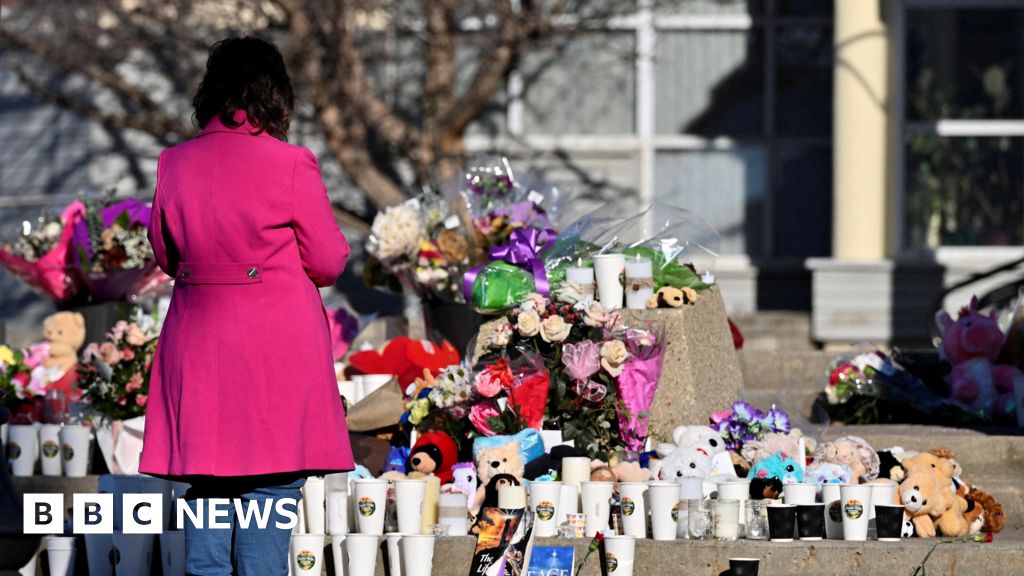
The image accompanying the news report, depicting a memorial of flowers, toys, and personal tributes for the victims in Tumbler Ridge, serves as a stark visual reminder of the human cost of this tragedy. The "Reuters" attribution indicates that the photograph captures the profound sense of loss and remembrance that has enveloped the community. The bright pink coat and jeans worn by the woman in the image, facing rows of heartfelt mementos, symbolize the resilience and collective mourning of a town grappling with an unthinkable loss.
The apology from Sam Altman, while a necessary step, is unlikely to fully assuage the pain of those affected. However, it does represent an acknowledgment of a significant failure and a commitment to learning from this devastating experience. The ongoing legal battles and criminal probes will undoubtedly shape the future regulatory landscape for AI companies. As artificial intelligence continues to integrate itself into the fabric of society, the ethical considerations surrounding its development and deployment, particularly in relation to public safety, will remain paramount. OpenAI’s experience in Tumbler Ridge serves as a critical, albeit tragic, case study in the complex challenges of balancing innovation with responsibility. The company’s future actions, and its ability to rebuild trust, will depend on its sustained commitment to transparency, robust safety protocols, and a willingness to collaborate with authorities to prevent similar tragedies from occurring. The lessons learned from Tumbler Ridge are not just for OpenAI, but for the entire technology sector and for society at large, as we navigate the evolving capabilities and potential pitfalls of artificial intelligence.



 George Anjay
 Nakalama John
 Ramos Leo