Roy Suryo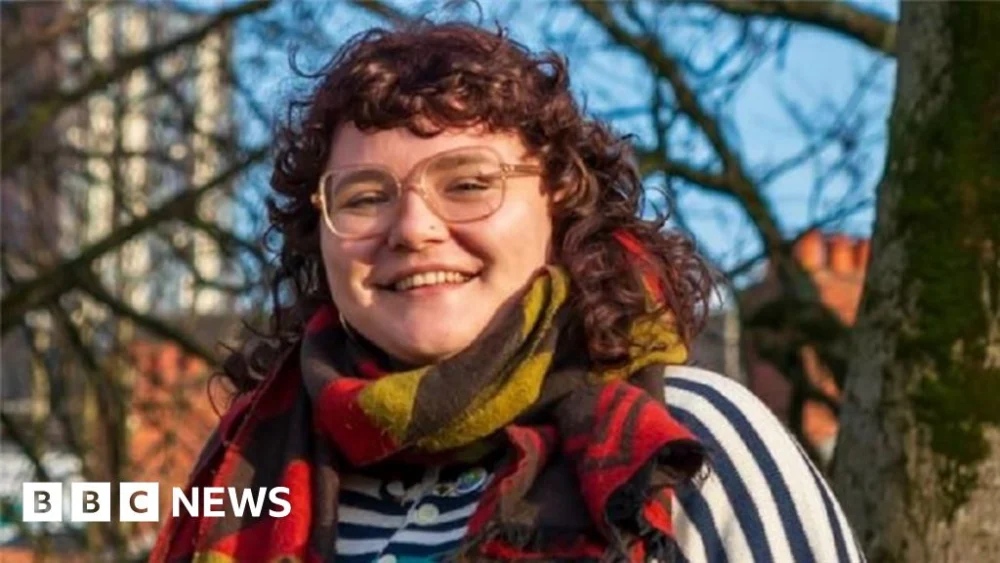
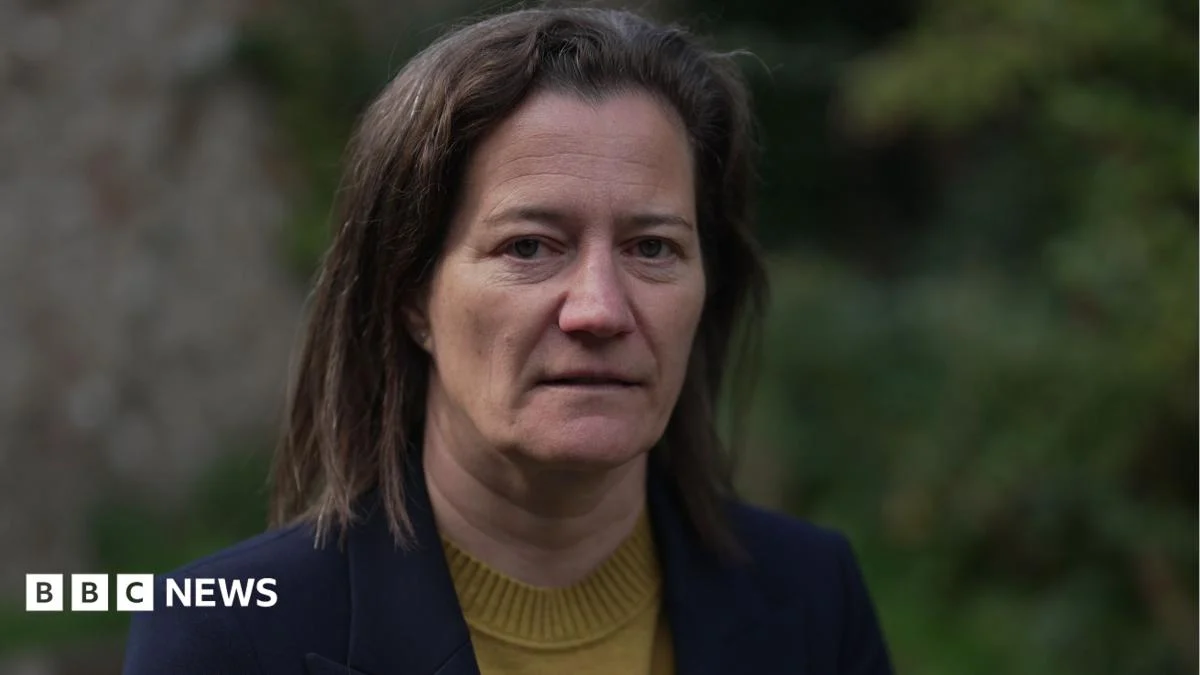
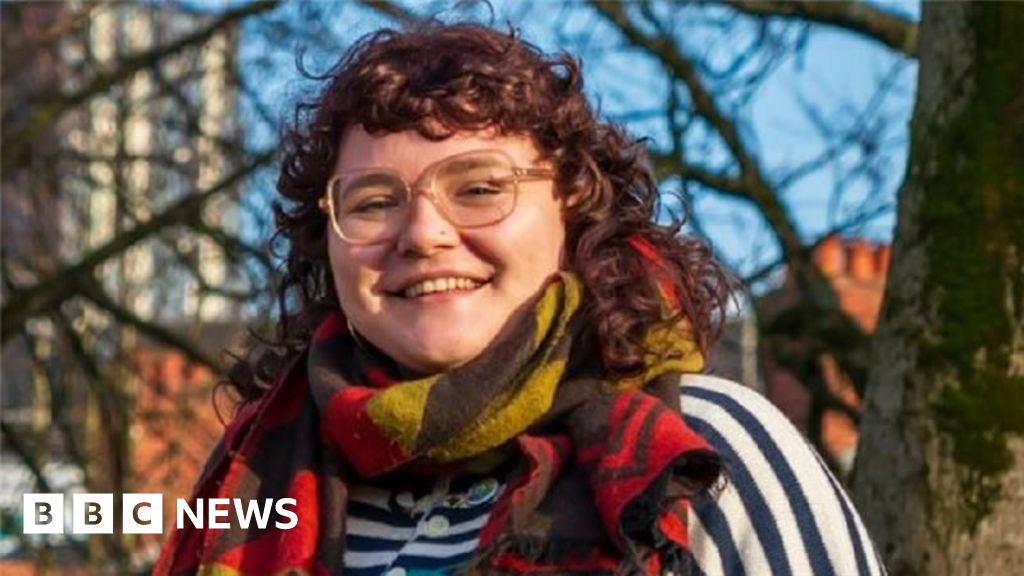
Tessa Marshall, a 28-year-old candidate for the Wales Green Party in the upcoming Senedd election, has courageously shared her personal experience of having an abortion at the age of 15. Her decision to speak openly about this deeply personal event, which she describes as having "changed" her life, aims to empower others and foster a greater understanding of women’s health and reproductive rights. Marshall revealed her story for the first time during a school hustings event at Ysgol Plasmawr in Cardiff, addressing sixth-form students. She believes that in a political climate where women’s rights are increasingly under threat, it is crucial to "defend" them, especially in light of recent setbacks in other parts of the world.
Marshall, standing for the Wales Green Party in the Senedd election, made a brief but impactful mention of her abortion experience during her introduction to the students. While the specific issue was not extensively discussed during the event, some students later expressed their appreciation for a politician being willing to address such a sensitive and often taboo subject. "Having an abortion at 15 was something which changed my life," Marshall told BBC Wales in a subsequent interview. She emphasized the profound impact this decision had on her life trajectory, stating, "Without access to abortion, I would probably have a 13-year-old child now, and that access is not something that is guaranteed to women in other places around the world." She highlighted how the timely access to abortion minimised the disruption to her GCSE exams and set her on a path of understanding fundamental human rights, bodily autonomy, and women’s rights, which she felt compelled to share.
In Wales, England, and Scotland, abortions are legally permissible up to 24 weeks of pregnancy, with exceptions for severe health risks extending beyond this timeframe. This contrasts with the more restrictive legal landscape in Northern Ireland, where since 2020, abortions are permitted up to 12 weeks of pregnancy, with later abortions only lawful in specific circumstances, such as fetal abnormalities. Marshall’s personal narrative underscores the vital importance of accessible abortion services, particularly for young people.
Marshall attributes her situation at 15 to a significant deficit in "proper sex education in school," lamenting that she was "not given proper information" at the time. This lack of comprehensive education highlights a systemic issue that she believes needs urgent attention. "Making sure that young people have access to the correct information, to make the right decisions about their health, is so important when it comes to sex," she asserted. Her personal experience has been a significant factor in her political awakening, and she sees the ongoing struggle for reproductive rights as a pressing contemporary issue.
Drawing a parallel to the erosion of abortion rights in the United States, Marshall expressed her concern: "We’ve seen that in America, the right to abortion has been taken away from women there." This stark reminder fuels her conviction that it is "really important that we defend the right to abortion, and the right to have an abortion close to home." She advocates for empowering young people to access the "education that they need," irrespective of their cultural or religious backgrounds, which might present opposition to abortion. "It’s important that people have the right information, the right access and the right resources to understand how they can protect themselves, when they’re engaging in sexual activity," she concluded, emphasizing the need for comprehensive sexual health support and education for all.

The emotional and political weight of Marshall’s personal story resonates deeply within the context of ongoing debates surrounding reproductive healthcare. Her candidness serves as a powerful reminder that these are not abstract political issues but deeply personal experiences that shape individual lives and futures. By sharing her journey, Marshall hopes to contribute to a more informed and empathetic public discourse, advocating for policies that uphold and protect women’s autonomy and well-being. Her commitment to this cause, rooted in her own lived experience, positions her as a vocal advocate for reproductive justice within the Welsh political landscape. The disruption she faced at a critical juncture in her education could have had long-lasting consequences, but her access to safe and legal abortion allowed her to continue her academic pursuits and, as she states, embark on a path of understanding fundamental rights. This highlights the interconnectedness of education, health, and personal agency, particularly for young individuals navigating complex life decisions. Marshall’s political platform, therefore, is not just about policy but about ensuring that future generations have the support and information necessary to make informed choices about their bodies and lives, free from coercion or undue barriers. Her experience underscores the fact that access to reproductive healthcare is not merely a medical issue but a fundamental human right, intrinsically linked to a person’s ability to participate fully and equitably in society. The current legal framework in Wales, while more permissive than some regions, still requires vigilance and advocacy to ensure its continued protection and accessibility for all who need it. Marshall’s personal testimony serves as a powerful call to action for continued efforts to safeguard and expand these essential rights.
The story also touches upon the broader societal responsibility for providing comprehensive sex education. Marshall’s experience at 15 highlights a failure in the system to equip young people with the knowledge and resources they need to make responsible decisions about their sexual health. This lack of information can lead to unintended pregnancies and difficult choices, underscoring the urgent need for improved and more accessible sex education programs in schools. The Green Party candidate’s willingness to speak about her personal history, despite the potential for controversy, demonstrates a commitment to open dialogue and a desire to destigmatize discussions around abortion and reproductive health. Her focus on empowerment and informed decision-making resonates with a generation increasingly vocal about their rights and demanding greater transparency and support from their elected officials. The political implications of her statement are significant, as it brings a deeply personal issue into the public sphere, encouraging others to reflect on their own experiences and perspectives. The article serves as a compelling narrative, illustrating how personal choices, supported by accessible healthcare and education, can profoundly impact an individual’s life trajectory and their engagement with societal issues. Marshall’s proactive stance in sharing her story is a testament to her dedication to fostering a society where reproductive rights are respected, understood, and protected for all. Her journey from a teenage experience to a political advocate underscores the transformative power of personal narrative in driving social and political change. The implications of her words extend beyond the immediate political campaign, offering a beacon of hope for those seeking to advance reproductive justice and comprehensive sexual health education. Her candidness aims to dismantle the silence and stigma surrounding abortion, encouraging a more empathetic and informed approach to this critical aspect of women’s health.