Roy Suryo
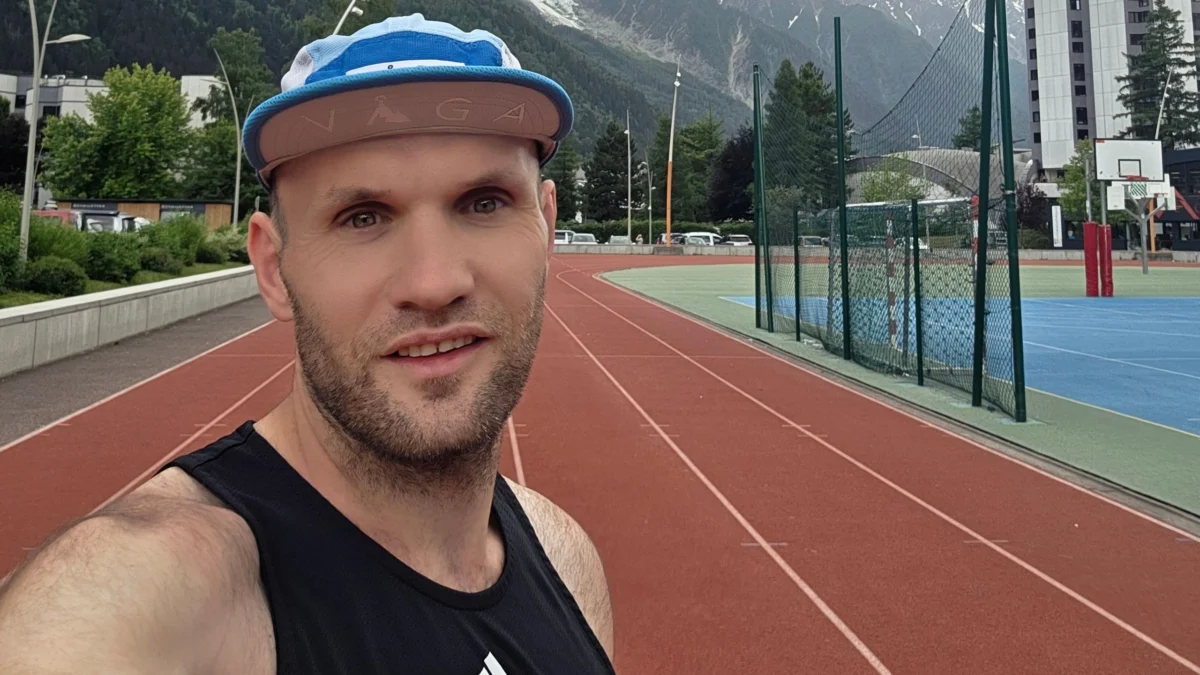
Wayne Davies, a runner from Newtown in Powys, has shared his personal struggle with fitness addiction, revealing how his dedication to training spiralled into anxiety and sleep deprivation. What began as a healthy pursuit to stay fit a decade ago transformed into an all-consuming obsession, leaving him "constantly worrying" about race times, meticulously analysing training plans, and obsessively comparing his progress to others on social media. The 40-year-old described this period as feeling like "the rug was being pulled from under my feet," a stark contrast to the healthy lifestyle he initially sought.

Davies’s journey into extreme fitness began with casual jogs but quickly escalated to marathons and then gruelling ultra-distance races, including a challenging 75-mile (120km) event around the Llŷn Peninsula in Gwynedd. "I became obsessed with trying to do longer and longer distances," he recalled. "Then I started focusing on times." This relentless pursuit of performance left him perpetually dissatisfied. "I was never happy, and always chasing the next challenge or trying to get a better time." The emotional toll was significant; he admitted that failure to meet his self-imposed targets felt like "the end of the world," and he rarely paused to acknowledge his achievements.
The intensity of his addiction was further exacerbated by a significant health scare. During a training run, Davies experienced a heart issue that led to a diagnosis of atrial fibrillation, a heart rhythm condition. Although he recovered and returned to running after treatment, the underlying anxiety about his heart condition lingered, fuelling his obsessive behaviour. He realised that his focus had shifted from overall well-being to a compulsive need to constantly improve and measure his physical performance.

It was only when he began to speak openly about his struggles that Davies understood the concept of fitness addiction. "Since I shared the story I’ve had a lot of people saying they can relate to it," he said, reflecting on his initial reluctance to discuss his issues due to fear of judgment. "I probably wasn’t open about it before because you feel like you’re going to get judged." Encouraged by his friends and family, he sought help from his GP, who referred him to Ponthafren, a Powys-based charity. Davies acknowledged a common societal perception among men that discussing feelings is a sign of weakness, admitting he initially felt a degree of shame. However, he now regards taking that first step towards seeking help as "the best thing I ever did."
Through his GP’s referral, Davies enrolled in the NHS Wales SilverCloud Space from Anxiety programme. This 12-week online course provided him with tools and strategies to manage his thoughts and learn to "let things go." His perspective on fitness data has dramatically shifted. "I don’t tend to look at the data as much anymore," he stated. "I just accept it for what it is." While he still uses his running watch as a guide, the obsessive fixation has dissipated. He now prioritizes listening to his body, running "by how I feel on the day."

Davies is currently training for The Marathon Eryri, formerly known as the Snowdonia Marathon, but with a fundamentally different mindset. "I’m not worried about times anymore," he emphasized. "I just want to do the best I can on the day and enjoy it." He hopes his experience will encourage other men to feel more comfortable seeking support when fitness begins to negatively impact their lives. "People do want to listen and there are tools out there that can help. It’s not as scary as you think."
The issue of fitness addiction is gaining wider recognition. Zaheen Ahmed, head of therapy at UK Addiction Treatment Centre, has observed a significant rise in individuals seeking help for exercise addiction, with over 57,000 people accessing their online resources in the past six months. Ahmed noted that this often stems from individuals in recovery from substance abuse who then develop a cross-addiction to fitness. "Typically this stems from clients embarking on sobriety and cross-addicting into fitness, to the point where that in itself then becomes the problem instead of substances," she explained.

Ahmed highlighted the role of modern technology in this trend. Fitness apps, she explained, have introduced a competitive element and provide constant information and advice that was not readily available a decade ago. While beneficial for some, this can foster compulsive behaviour. "If fitness has overtaken your daily joy sources, then it’s likely a problem has developed," she cautioned. She believes that the rise in reported addictions isn’t necessarily due to new forms of addiction emerging, but rather society’s growing willingness to discuss these behaviours more openly and honestly. "As life evolves and as a society we’re exposed to more things to do, more ways to be engaged, there are more opportunities for unhealthy relationships develop."
Dafydd Judd, a personal trainer in Cardiff, also commented on the blurring lines between fitness and technology addiction. He pointed to calorie-counting apps as a potential pitfall, stating they can become "highly addictive" if individuals become engrossed in weighing, measuring, and constantly adjusting their intake. "There’s way more food to track than there is with exercise, so I can see how that can get extremely obsessive," he added. Judd echoed Davies’s sentiment, urging people to seek help if their relationship with fitness becomes unhealthy, to ensure they are "channelling your energy in the right way." He also advised caution regarding online fitness achievements, warning that an increasing number of individuals may be exaggerating their performance to create an illusion of superiority. He described social media as a "double-edged sword," capable of promoting healthy competition and community, but also fostering unrealistic expectations.

Fionnuala Clayton, project manager of NHS Wales’s Online Cognitive Behavioural Therapy Service, expressed gratitude for Wayne Davies’s willingness to share his story during a "challenging time in his life." Clayton acknowledged the well-documented mood-boosting benefits of exercise but stressed that "too much can have negative impacts on both mental and physical health." She emphasized the importance of seeking support when a routine begins to dominate other aspects of life. "Talking to someone and exploring other sources of support can be an important step towards a healthier balance," she stated. "Stories like Wayne’s remind us why accessible mental health support matters."