Roy Suryo
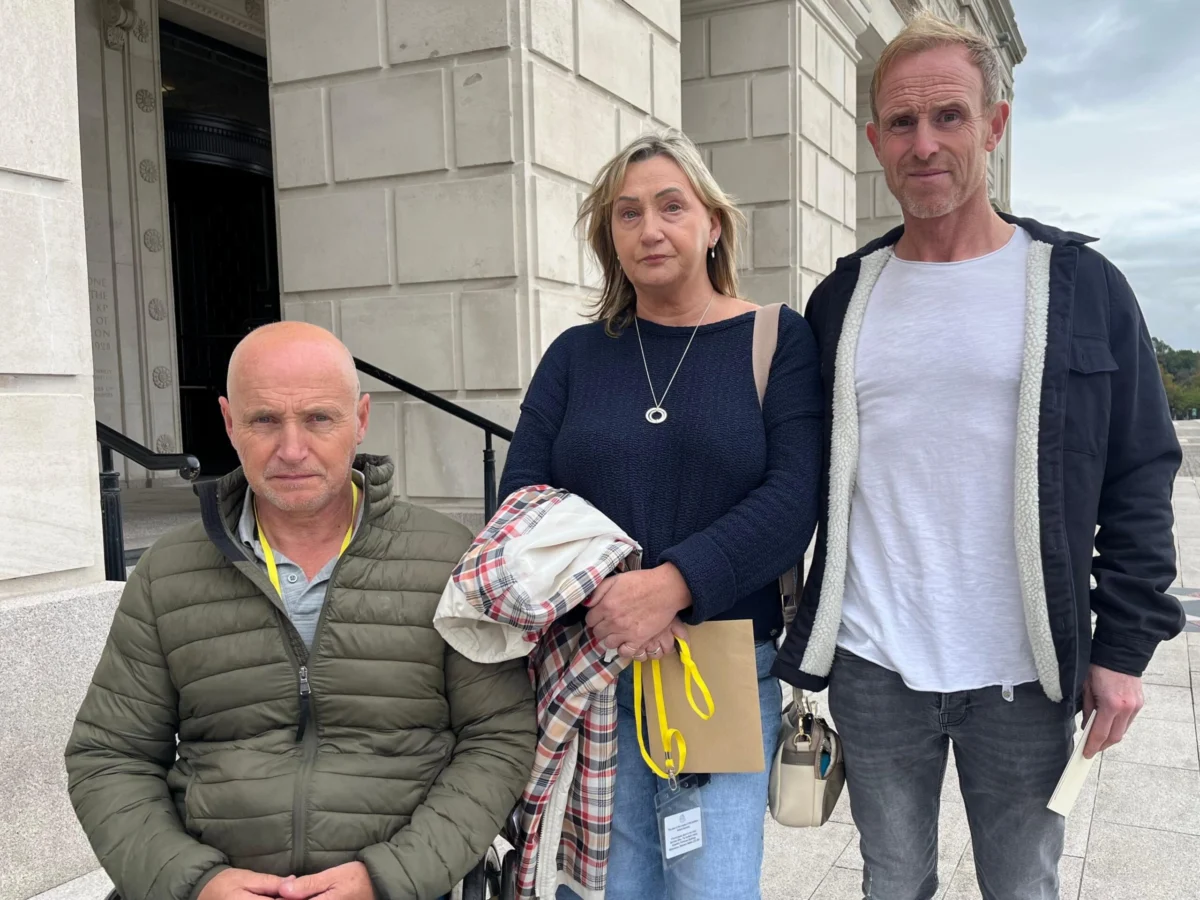
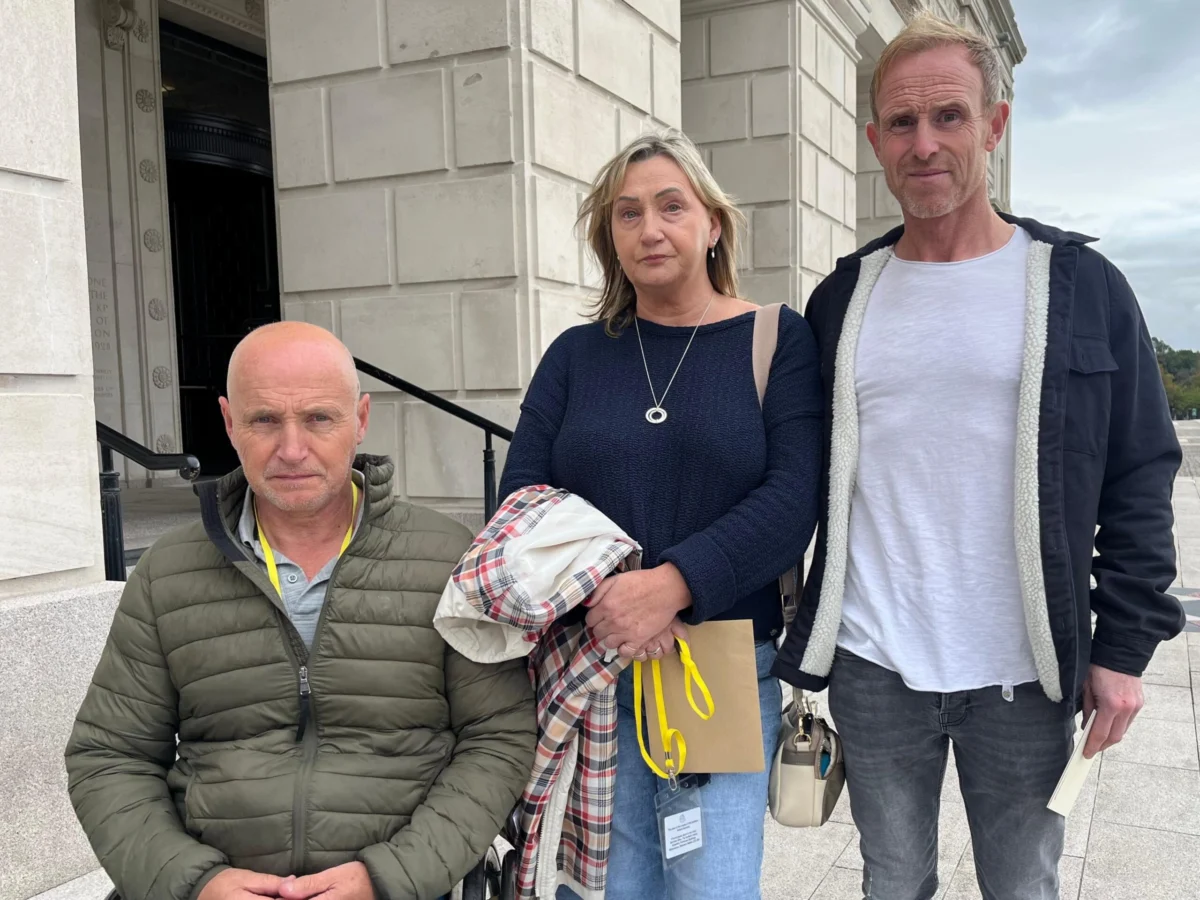
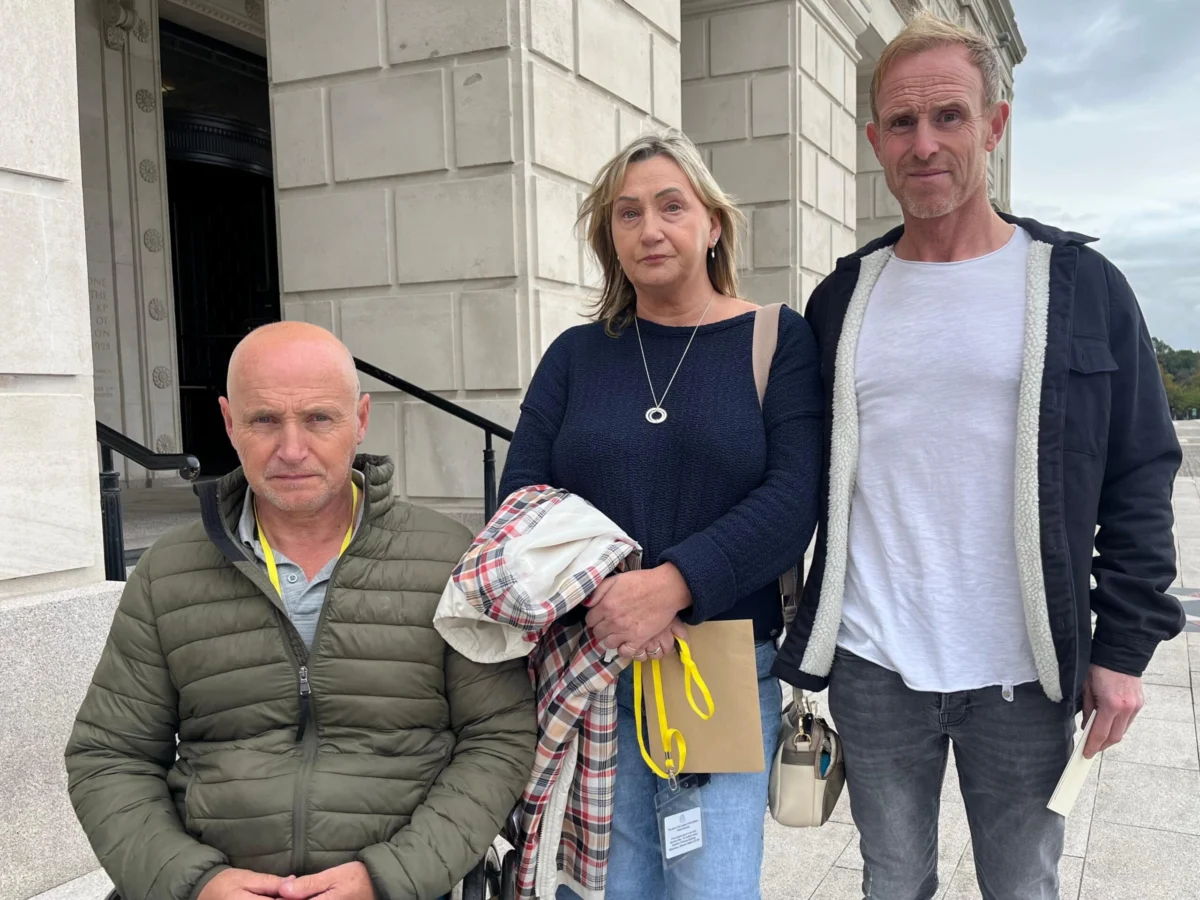
The family of a 24-year-old woman who tragically died from cervical cancer in 2008, after her smear test was allegedly misread, has publicly thrown their support behind calls for a comprehensive public inquiry into Northern Ireland’s cervical screening service. Louise Corbett Gibbons, a resident of County Down, passed away just a month after receiving her devastating cancer diagnosis. While her untimely death is not directly linked to the more recent and widely reported cervical screening scandal involving the Southern Health Trust, her widower, Neville Gibbons, and her aunt, Joy Fairley, have joined forces with campaigners to highlight ongoing concerns and demand greater accountability. The Southern Trust scandal, which came to light three years ago, necessitated a major review of screening records dating back to 2008, leading to approximately 17,500 women being contacted to have their smear tests re-examined.
The group advocating for a thorough investigation, known as the Ladies with Letters, has been persistently pushing for a statutory public inquiry into the systemic failures within the cervical screening programme. Their concerns extend beyond the Southern Trust, as they believe that other health trusts across Northern Ireland may have also been impacted by similar issues. This broader scope of inquiry is driven by the fear that the problems identified in one trust could be indicative of wider, systemic weaknesses within the national screening framework.

Neville Gibbons, speaking to BBC News NI, recounted the heart-wrenching final days of his wife’s life. He revealed that upon receiving Louise’s diagnosis, medical professionals informed them that she had only "be gone within the month." In a poignant testament to their love, the couple, who had been together for eight years, decided to get married the following week. Tragically, Louise passed away just three weeks later. The wedding, a supposed celebration of their union, became an event shrouded in profound sadness. "Like, watching your wife in a wheelchair and knowing she’s going to be dead in a few weeks," Neville shared, his voice heavy with emotion. The trauma of this period left him deeply affected, stating, "My mind wasn’t good for a very long time."
The emergence of the Southern Trust screening scandal three years ago re-opened old wounds for Neville and Louise’s family, bringing back the painful memories of their loss. Neville revealed that Louise’s family had been informed that her smear test had been misread, but they were also told that "she would have passed away anyway." This assertion was deeply unsettling and ultimately unacceptable to the family. Neville firmly believes that Louise was never given a fair chance to begin with. Louise was a patient under the care of the Belfast Health Trust, and BBC News NI has reached out to the trust for comment on her case.
Enda McGarrity, a solicitor representing the Ladies with Letters, emphasized that their renewed call for a public inquiry is not confined to the issues uncovered within the Southern Trust, as significant numbers of women outside this trust have also been affected by cervical screening problems. He stated that while the Southern Trust’s situation has "illuminated things much more clearly," the cervical screening programme operated across all of Northern Ireland during the period in question. Therefore, McGarrity argued, "at the very least, there should be an investigation into whether these issues were replicated in other trusts." He concluded that the current situation warrants further investigation due to concerns about a potential link between the identified issues and the overall performance of the cervical screening programme over those years.

The pursuit of a public inquiry has faced significant obstacles. Earlier this year, the former Health Minister, Mike Nesbitt, ruled out such an inquiry into the failings of Northern Ireland’s cervical screening service. However, campaigners like Heather Thompson and Tracey Bell, members of the Ladies with Letters, remain resolute. They recently gathered on the steps of Stormont alongside a cross-party group of assembly members to reiterate their demands for a public inquiry.
Heather Thompson expressed the profound impact Louise’s story had on the group. "When the group became aware of Louise’s death, it hit members ‘very hard’," she stated. The campaigners harbour a deep-seated fear that there could be "other ladies out there" who have experienced similar devastating outcomes due to alleged misread smear tests. Tracey Bell confirmed that the group is scheduled to meet with the current Health Minister, Robbie Butler, next month. They are hopeful that Minister Butler will "listen carefully to the experiences of women and families affected" and "recognise why this matter could not be considered closed." The ongoing advocacy underscores the persistent fight for transparency, accountability, and systemic improvement in women’s healthcare services.
The implications of potentially misread cervical screening tests are profound, not only for individual patients but also for public health systems. Cervical screening, also known as the Pap test or smear test, is a vital preventative health measure designed to detect precancerous and cancerous changes in the cells of the cervix. Early detection through regular screening significantly increases the chances of successful treatment and survival. When these tests are misread or mishandled, it can lead to delayed diagnosis, allowing cancer to progress to more advanced and less treatable stages. This can result in increased morbidity, mortality, and immense emotional and financial distress for patients and their families.

The Southern Health Trust scandal highlighted issues with the accuracy and interpretation of smear tests, leading to a widespread review. The scale of the review, involving 17,500 women, underscores the potential for systemic errors within screening programmes. The fact that women’s tests were reportedly misread raises serious questions about the quality assurance processes, the training and competency of laboratory staff, and the oversight mechanisms in place to safeguard the integrity of the screening service. The long-term consequences of such failings can be devastating, as tragically demonstrated by the case of Louise Corbett Gibbons.
The call for a public inquiry by the Ladies with Letters and the family of Louise Corbett Gibbons is rooted in the desire for a thorough and independent examination of the cervical screening services across Northern Ireland. A public inquiry typically has the power to summon witnesses, gather evidence, and make recommendations for systemic change. Such an inquiry would aim to uncover the full extent of any failures, identify the root causes, and ensure that lessons are learned to prevent similar tragedies from occurring in the future. The involvement of Louise’s family, whose personal tragedy predates the more widely publicized scandal, brings a crucial historical perspective and underscores the need for continuous vigilance and robust scrutiny of healthcare provision.
The current political climate in Northern Ireland has seen a degree of political will to address healthcare concerns, and the upcoming meeting with the Health Minister offers a potential avenue for progress. However, the previous rejection of a public inquiry by the former Health Minister indicates the challenges that campaigners may face. The broader scope of the Ladies with Letters’ inquiry, extending beyond a single trust, is critical. It acknowledges that healthcare systems are interconnected, and issues identified in one area may be symptomatic of broader systemic weaknesses. An investigation that encompasses all health trusts would provide a more holistic understanding of the performance and potential vulnerabilities of the entire cervical screening programme in Northern Ireland.

The experiences of Louise Corbett Gibbons and the broader campaign by the Ladies with Letters serve as a stark reminder of the importance of patient safety and the need for unwavering commitment to high standards in healthcare. The fight for a public inquiry is not just about seeking justice for past failings but about ensuring that future generations of women can have confidence in the cervical screening services provided to them. The call for transparency and accountability is a fundamental aspect of a functioning and trustworthy healthcare system, and the voices of those affected by these issues deserve to be heard and acted upon. The potential for widespread impact necessitates a comprehensive and independent investigation to restore public faith and implement necessary reforms.